Fiber & Post-Biotics

Ok, we all know fiber is supposed to be good for us, but what is it really, and what does it do that’s so beneficial?

What It Is

First off, fiber is a material from plants that WE can’t fully digest, but our microbiome buddies CAN. They love it. It feeds them and makes them feel good, which in turn makes US feel good.

Fiber is actually a form of carbohydrate, but it doesn’t convert to glucose in our bloodstream like other carbs.

Our microbiome buddies actually ferment the fiber to break it down. Then they send out beneficial by-products (called post-biotic short chain fatty acids) into our bloodstream, which do great stuff such as:

● Reduce inflammation

● Regulate metabolism

● Regulate mitochondria

● Improve insulin & glucose levels

● Regulate hunger & appetite

● Protect and repair the lining of the gut, which allows the gut to better protect itself from toxins.

Where to Get It

Ok, I want it! I’m convinced! How do I get it?

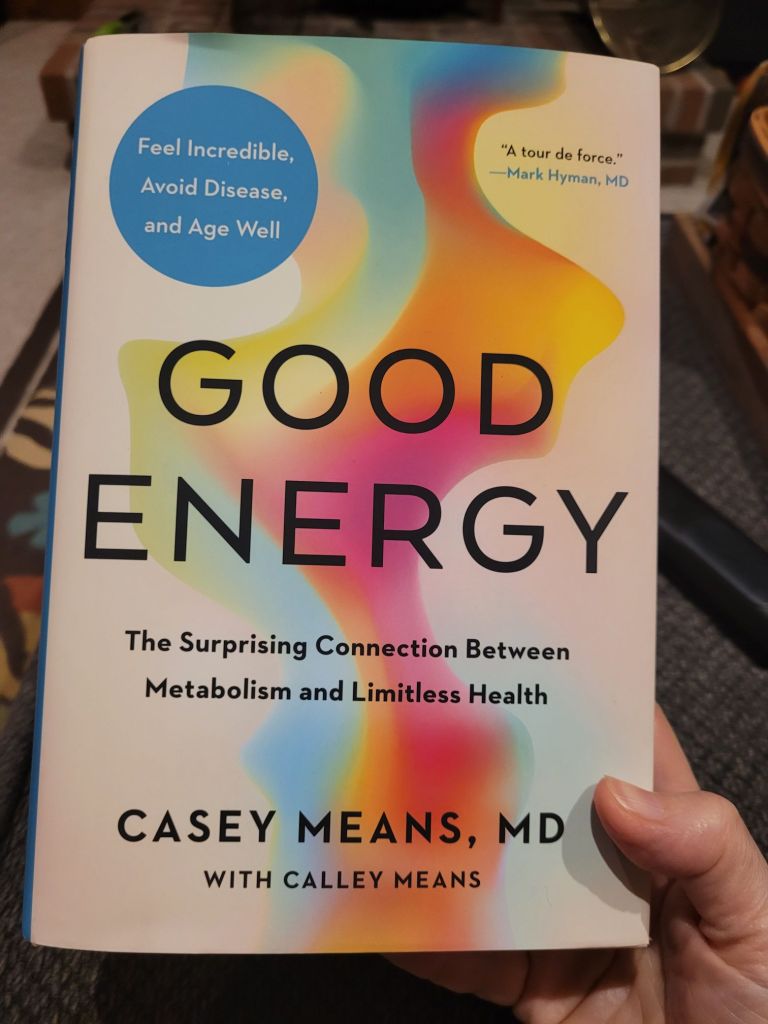
I’ve learned a lot from Dr. Casey Means, through watching her interviews on YouTube, reading her book Good Energy, and taking her online class called “Eating For Good Energy and Healthy Metabolism.”

She recommends doubling the paltry USDA guideline of 25 to 30 grams per day. To be healthy, shoot for 50 to 60 grams of fiber daily.

Here are the sources she recommends:

  • Chia seeds
  • Basil seeds
  • Flax seeds
  • Beans, lupini in particular
  • Nuts, tiger nuts and pistachios in particular
  • Artichokes
  • Avocados
  • Raspberries

Here are a few others:

  • Organic oats (please don’t eat the non-organic oats as they are drenched in glyphosate)
  • Broccoli
  • Beets
  • Carrots
  • Kale and other leafy dark greens

To Sum it Up

So, when you eat fermented foods (probiotics) you are actually bringing in new, good bacteria. New microbiome buddies.

When you eat fiber, you are feeding your microbiome buddies, and they ferment that fiber inside you to create post-biotics.

Interesting Fact

Dr. Means also points out that our microbiome creates our neurotransmitters. Did you know that schizophrenia and depression can be diagnosed by analyzing a person’s microbiome? Huh!
The Mighty Mighty Bar Code

An election is right around the corner, but you know, voting is really an everyday thing.

Every day in this country, we vote with our dollars as we shop and purchase items.

The restaurant with crummy food gets voted out of office. The restaurant with great food and service grows and expands.

Every item at the store is competing for shelf space. So when it’s little barcode or UPC symbol gets beeped at the checkout, the stocking software is updated. New orders are electronically placed. It’s like magic.

Help me vote for healthy foods and products. Thank you!

You Ain’t Special

One of the first things you realize after getting diagnosed is that, unfortunately, everybody’s got something going on.

A friend of mine has Myasthenia Gravis. She just finished chemo for throat cancer. Now they’ve found a new cancer.

A neighbor is mourning the sudden loss of her husband.

A friend’s son just got married to a girl who had beaten cancer once. Now it’s back (they’re only 25!!! 😫).

Two of my coworkers have diabetes. Another just had to have her gall bladder removed. They are all younger than me (and it’s a small company, maybe 25 employees).

People used to say that “1 out of 4” people would have cancer during their lifetime. Now the rates are 1 out of every 2 men (50% 😵‍💫) and 1 out of every 3 women (33%), at least in developed countries. (In places where people eat traditional foods, the rates are much lower.)

So yeah, I’m not special. I’m just one of the gang now. The CLL gang. The cancer gang. The chronic disease gang. Dammit.

Really hoping that we reach a tipping point soon, though. A point where the average person gets angry and wants answers and results and change. Not ribbons and awareness, not a fun run, but actual results.

Maybe we could demand that farms stop spraying glyphosate.

Sedentary Lifestyle

I’ve been using a watch lately to track my steps and check things such as heart rate, blood pressure, and O2 level. Don’t go thinking I’m all posh with an apple watch… this is sort of a dumb watch, and I like that. I like that nobody’s looking at my data.

So, I’ve been using it for just a few weeks.

● Most days, I’m getting close to 4,500 steps in. This is with a desk job and no commute.

● On the weekend, I’m getting close to 10,000 steps in! Errands, chores, raking leaves… I feel great and have more energy on these days.

● Today was a total dud, and I fear this is indicative of my first few winters in this northern climate… at 6 pm, my step count was 300 steps! Went out to walk the dog (it was already cold and dusky), did some kitchen chores, and now I’m at 1225 steps. Still very low.

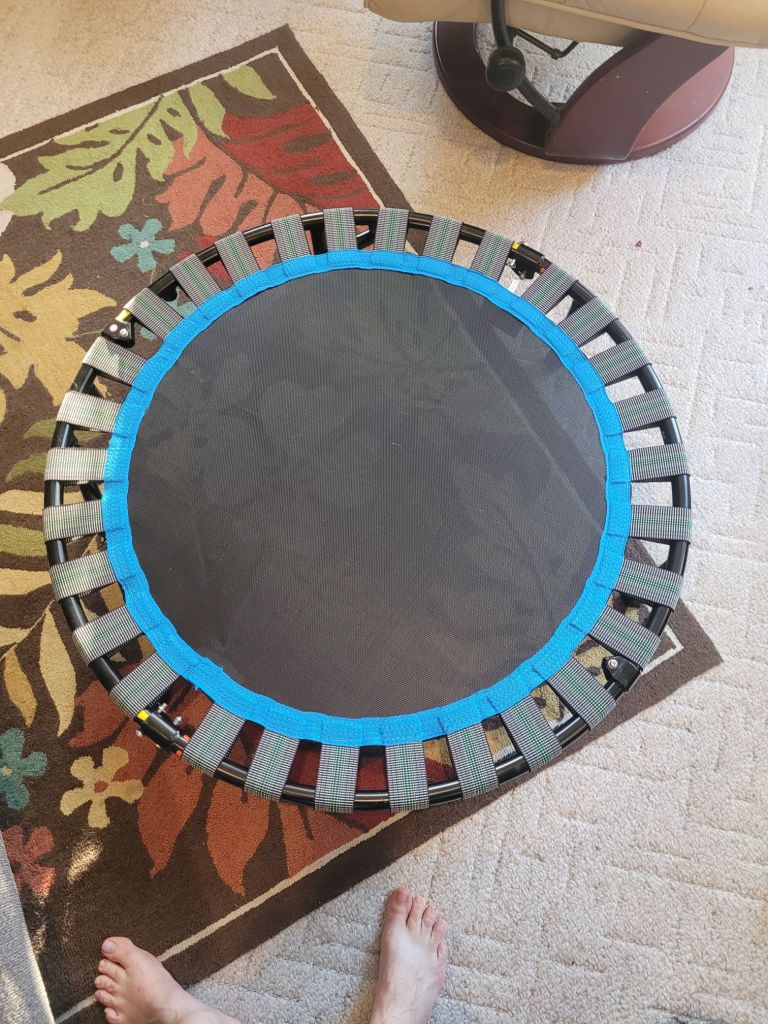
My sister sent me an awesome rebounder, which I’m going to use to add to the count. Sending out a big “thank you” to her. ❤️

What about you? Have you counted your steps? Do you have a desk job? How do you get that activity and exercise to balance out the sedentary time?

Leave a comment and let me know. Thanks!

Full House Filtration

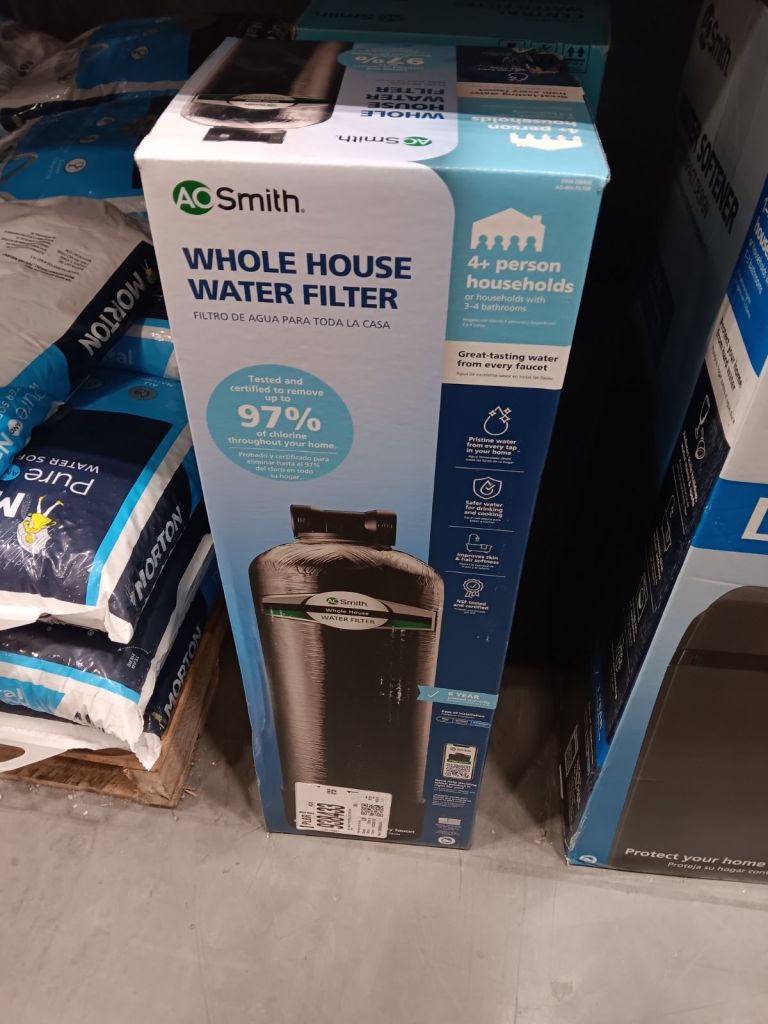
Looked into various water filters today at Lowe’s. Found the small ones for one single faucet, but also found this whole home system for $339.

Ok, that’s more expensive than the single faucet systems, and it would need to be installed between the main water line and the hot water heater by a professional, which could cost a bit, BUT it filters for the entire house. And you change the charcoal only once for each 6 years (assuming a 4-person household).

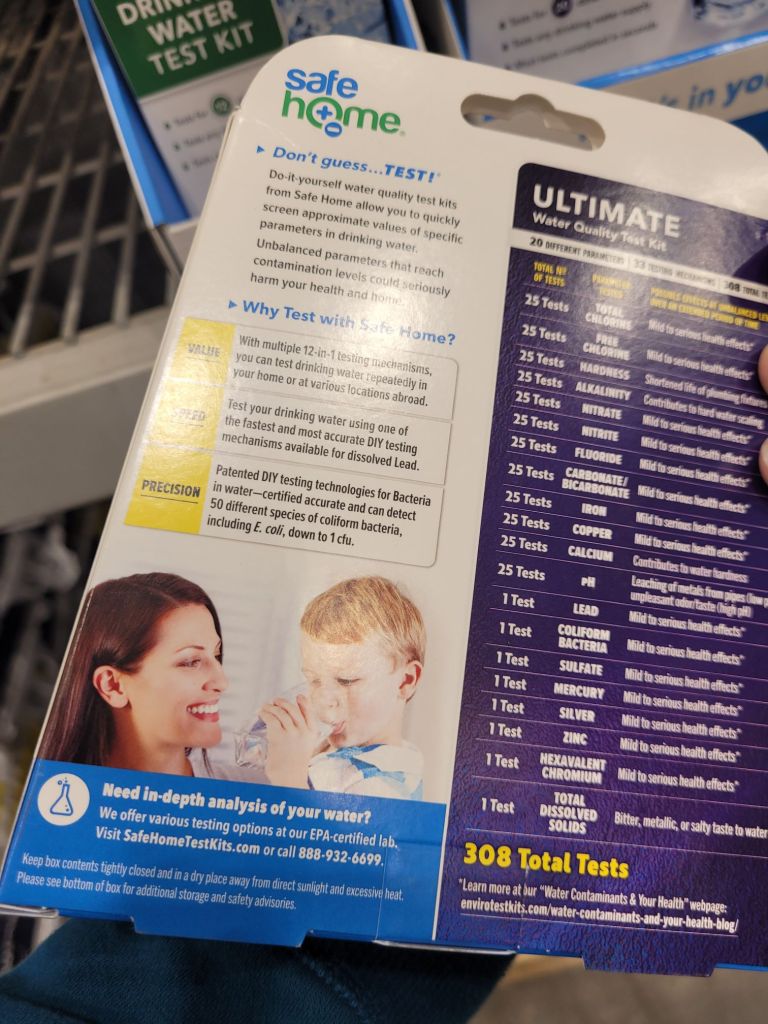
Lowe’s also has some DIY water testing kits. Though neither the basic kit ($13) nor the ultimate kit ($29) includes a test for glyphosate, it does cover quite a few other types of chemicals and contaminants.

I like these tests because you don’t send them off to the lab. You actually just get the results immediately using a litmus-type strip.

Yuka App

I found this free app that really helps when shopping and searching for healthy products, not just foods but soaps, lotions, etc. It’s called Yuka.

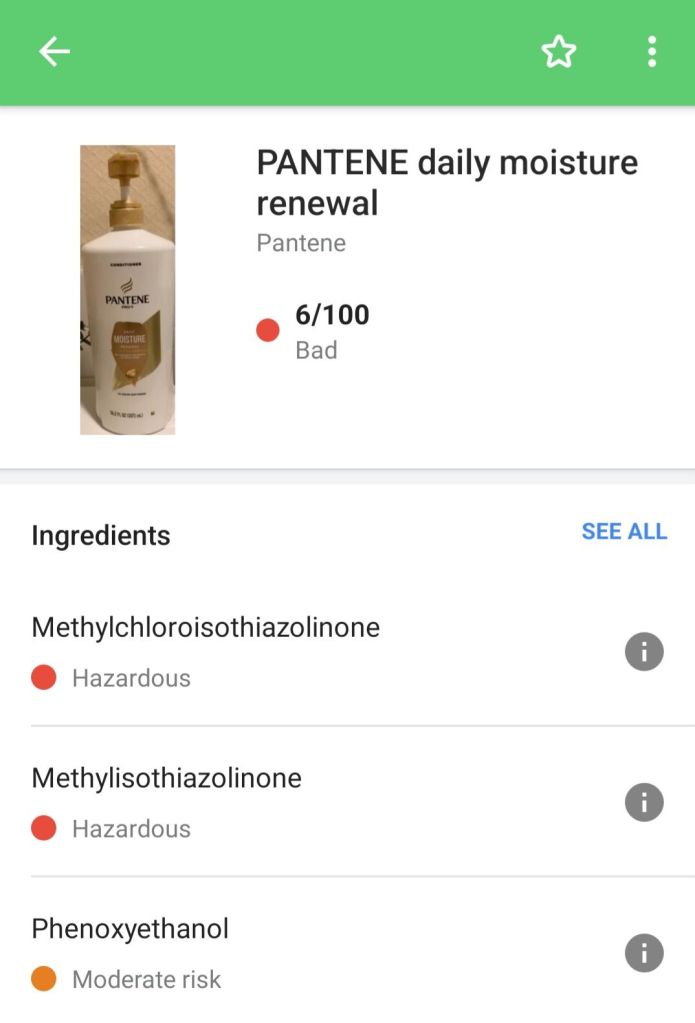
You open the app, scan a product bar code, and up pops a little report on the product. If it gets a bad score, the app suggests a “cleaner” product, which is often in the same shelf area.

Let’s check out this Pantene shampoo…

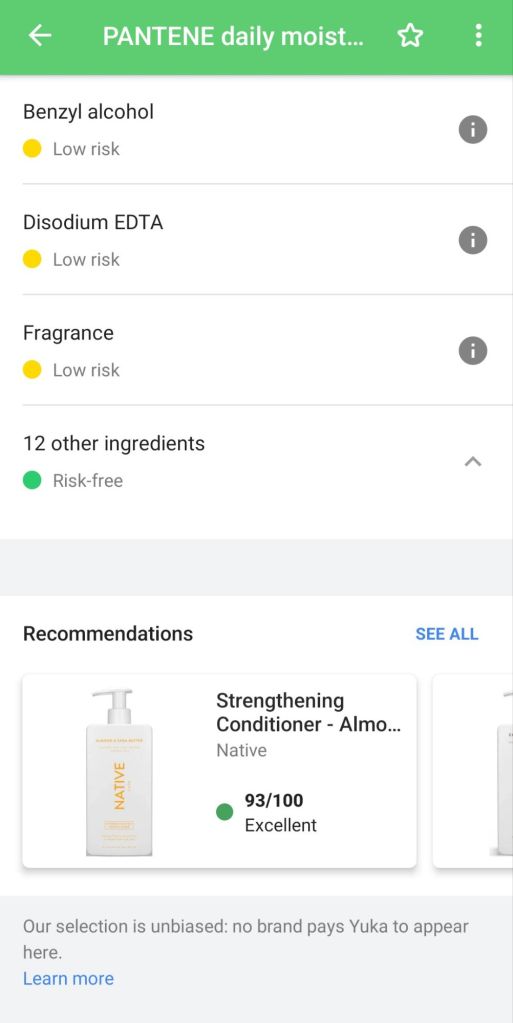
Ok so… probably not going to buy that again. But Native looks great!

You can click the little “i” icon for information about each flagged ingredient.

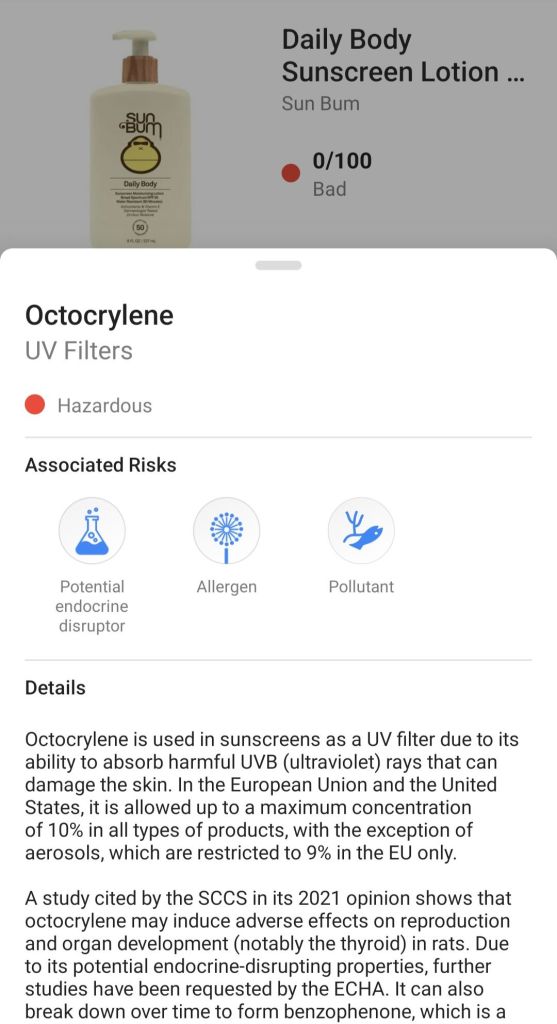
Here’s another scan of a product I really thought was “clean” but wasn’t.

I love this app, as it makes shopping easier. Download it and give it a try.

Use it to clean out your pantry and bathroom cabinet first. Out with the old toxic stuff, in with the new!

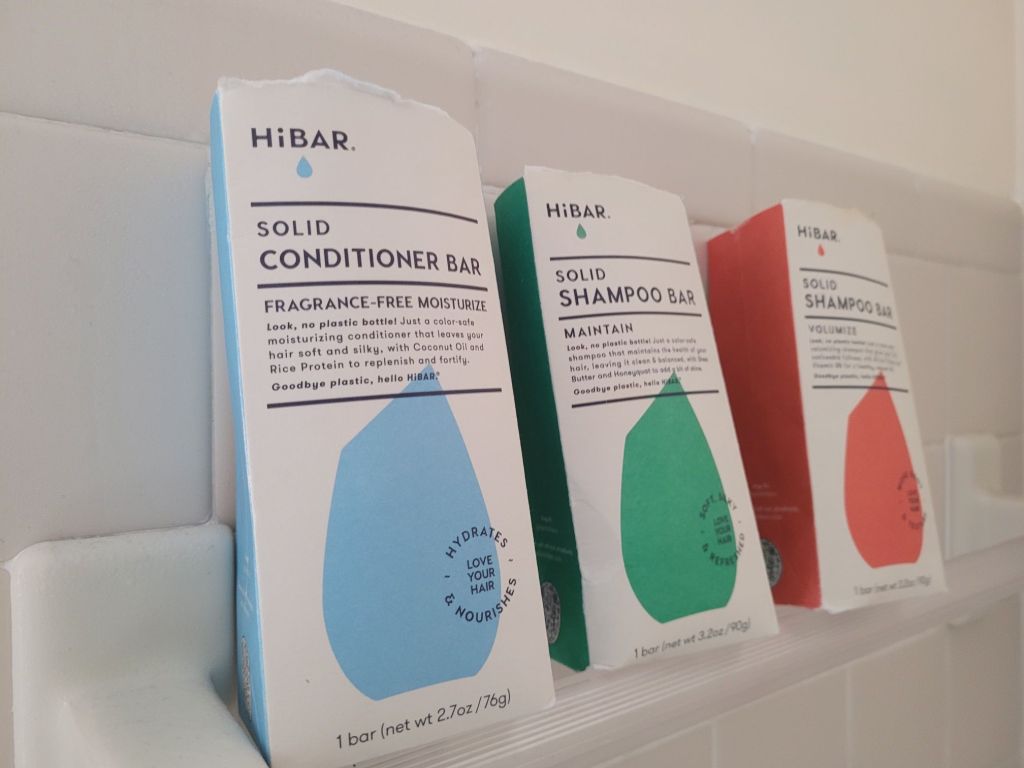
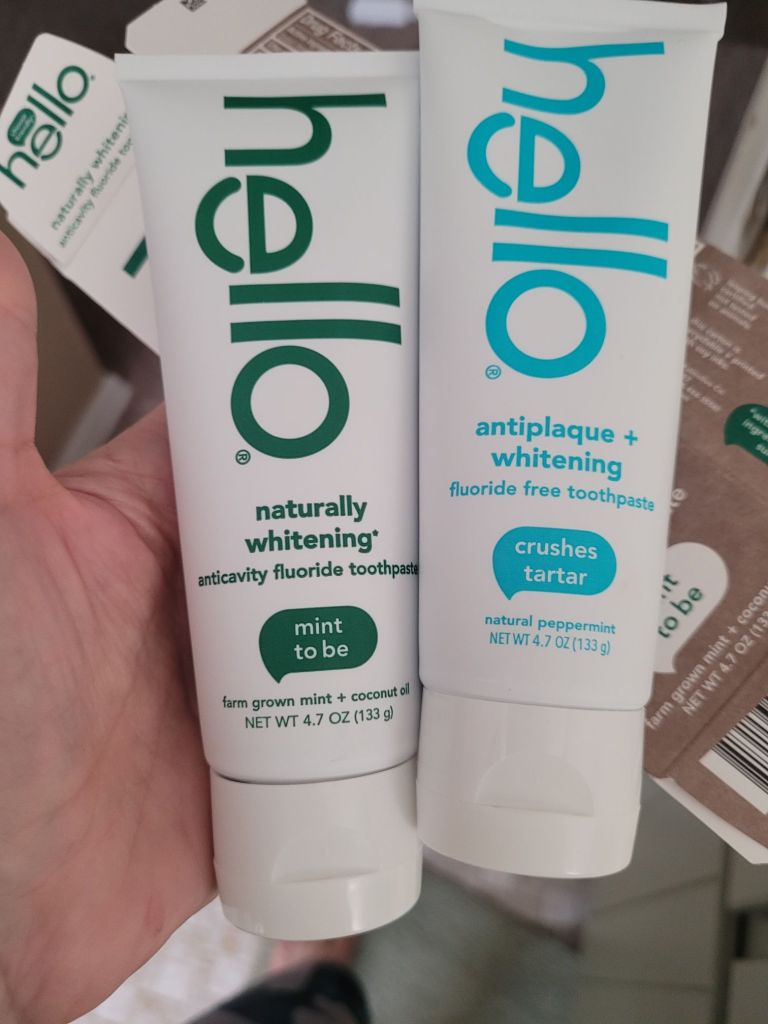
Here’s a few of my favorite new products that I found using the Yuka app:

Gut Health

There’s a LOT of emerging evidence and research to support the idea that cancer is a metabolic disease. That is, it is a problem stemming from the way our bodies create energy from our food.

I wrote earlier this week, using the findings of Dr. Zach Bush, that glyphosate kills our gut bacteria, the microbiome that is integral to our ability to digest and pull energy from food. The Roundup/glyphosate kills these very important living beings inside us the same way that it kills weeds.

So what can we do? What positive steps can we take? Here’s what I’ve learned:

Eat the cleanest food you can. These can be imported from another country with higher standards, organic, non-GMO, grown at home, or grown by a trusted farmer in your area.

Ditch all the processed foods. These are made from the cheapest components with the highest amount of harmful residues as well as untested flavors and colorings. Think of them as poison.

Eat probiotic foods. Replace the bacteria that are dying or malfunctioning with probiotic foods and drinks. Kefir, saurkraut, fermented pickles, kombucha, yogurt with active cultures, kimchi, etc. Try to get multiple sources of probiotics throughout the day.

Eat high fiber foods and make a point of adding them to your daily meals. (I’m seeing the word “post-biotic” a lot in connection to fiber.)

Eat a variety of veggies, nuts, and spices. Try to eat 30 different healthy vegetables per week. (I make a list and add to it as the week goes by. It inspires me to try new things. Drinking chicory coffee as I type this.)

Learn More

If you want to learn more about metabolic diseases and how to avoid them, I suggest reading this book by Dr. Casey Means

There’s also this podcast from Diary of a CEO with Dr. Thomas Seyfried of Boston College.

Grounding

Most of us aren’t getting enough nature. Putting your bare feet on the ground, inhaling fresh air, being around living things… this is all so important.

I happened upon The Earthing Movie on FreeVee, and have since been evangelizing to friends and family. It’s available on YouTube as well.

Since watching, we’ve been spending more time outside. I go out each morning, even when it’s frosty, and walk around. Exposing yourself to different temperatures is good, as Wim Hof can tell you. I look at the sun, which sets my circadian clock. And I smell flowers and leaves and pine needles.

I also bought a grounding sheet and a little mat for under my desk, where I spend entirely too much time.

Next time you think about using a plug-in, an air freshener, or a scented candle, stop yourself! Go outside and smell a flower. Grab a leaf or a pine needle, break it in half, and give yourself some true aromatherapy.

Sadly, most fragranced items, including many toiletries and cleaning supplies, contain phthalates, which are linked to health problems. I’ll talk about that another day.

Canary

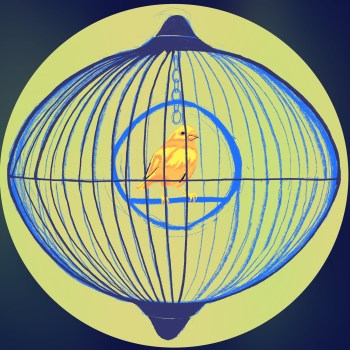
I had a few ideas for naming this blog, including “Defensive Living” and “Eye of Sauron,” but ultimately settled on the Cancer Canary. Because, like a bird in a mineshaft, my health indicates a much larger picture.

Finding out that my cancer (CLL) was linked to glyphosate (Roundup) caused me to look much closer at this situation, not just in how it affects me but how it affects us all.

Dr. Zach Bush explains it better than I can:

… this march of metabolic collapse, we now can map this back to this ever-increasing amount of herbicide, which was disrupting our metabolic function of the microbiome within soils, and ultimately, our gut, as we consumed the residues of those herbicides.

In the late 1980s, Monsanto and other chemical companies started to recognize the carcinogenic effect of these chemical compounds, and they published that — they showed that — with enough Roundup or glyphosate, you could induce cancer changes in cells. But they couldn’t imagine, at that time, in the late 1980s, that we would ever be able to apply that much chemical to the environment, because it would kill the crops themselves.

Because, in the late 1980s, we could not imagine that, within just a few short years, we would learn to genetically modify wheat, corn, soybeans, legumes of all kinds — even roses and petunias and everything else — genetically modify them to handle being sprayed directly with this glyphosate toxin.

The herbicide glyphosate would take off in 1996 as a direct crop treatment. Before that moment, you had to spray weeds directly and you had to keep the residues very low or else the corn crop would die.

With the advent of genetically-modified corn and beyond, we suddenly could spray the entire field directly — the food that we were eating — with these chemicals, and allow for the food to continue to be delivered.

And so, genetic modification of our crops has led to an explosion of the use of these chemical compounds in our food. And the result was high residues in not just soil systems, but water systems, because these are water-soluable toxins.

So the water-soluable toxins of glyphosate would get integrated into our freshwater runoff from the farms, wound up in our river systems, which would ultimately end up in oceans.

The whole time, you have evaporation going on, which allows the glyphosate to be present in the air you breathe and ultimately in the clouds that would then come down in rain.

That entire hydraulic cycle would become contaminated with this glyphosate chemical.

Glyphosate is now the most ubiquitous antibiotic on earth. It kills bacteria, fungi, protozoa, parasites. It kills the stuff it touches. And in so doing, it has denuded the diversity of life within our soil and water and air systems.

In the United States today, for example, 85% of the rain that we see and 85% of the air we breathe is contaminated with Roundup. This extraordinary fact has led to the phenomenon that we are all expressing this chemical within our systems.

In some recent clinical trials that we’ve done in our laboratory, we were measuring the effects of glyphosate on human systems, and measuring the ability of bacteria and fungi, through their communication network, to repair the damage done by this chemical.

So we brought in a bunch of people, studied their blood and urine, etcetera, and we could not find a single person that wasn’t peeing Roundup.

— Dr. Zach Bush, MD, Healing Secrets: The Wisdom of your Microbiome