Peanut Butter

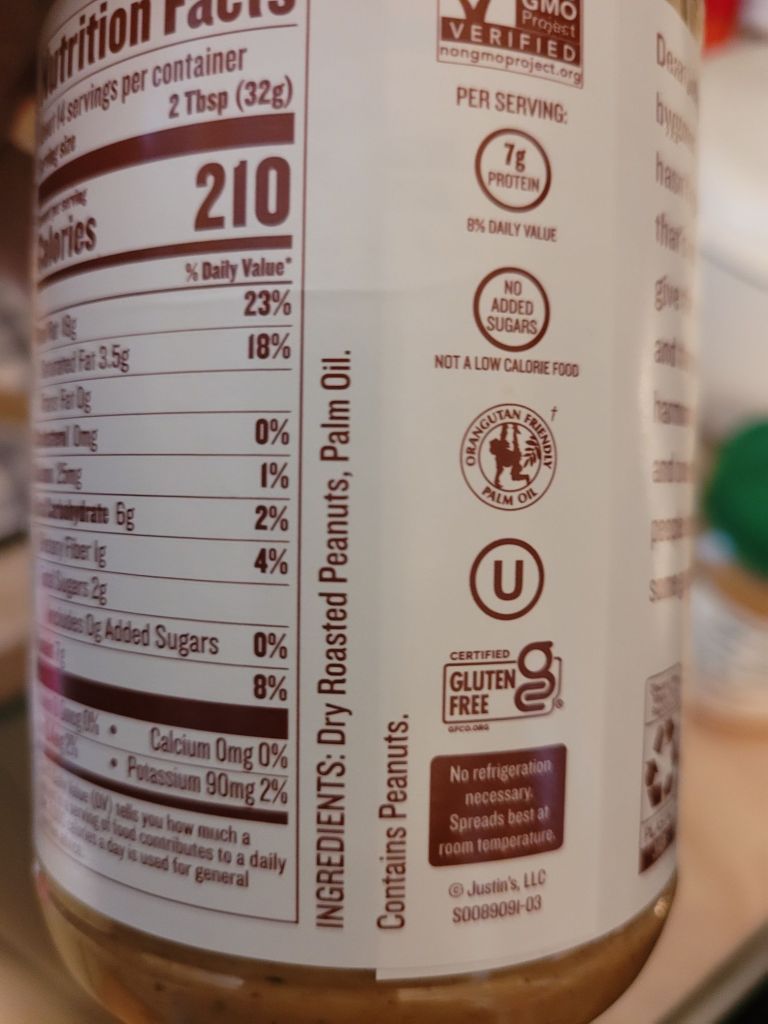
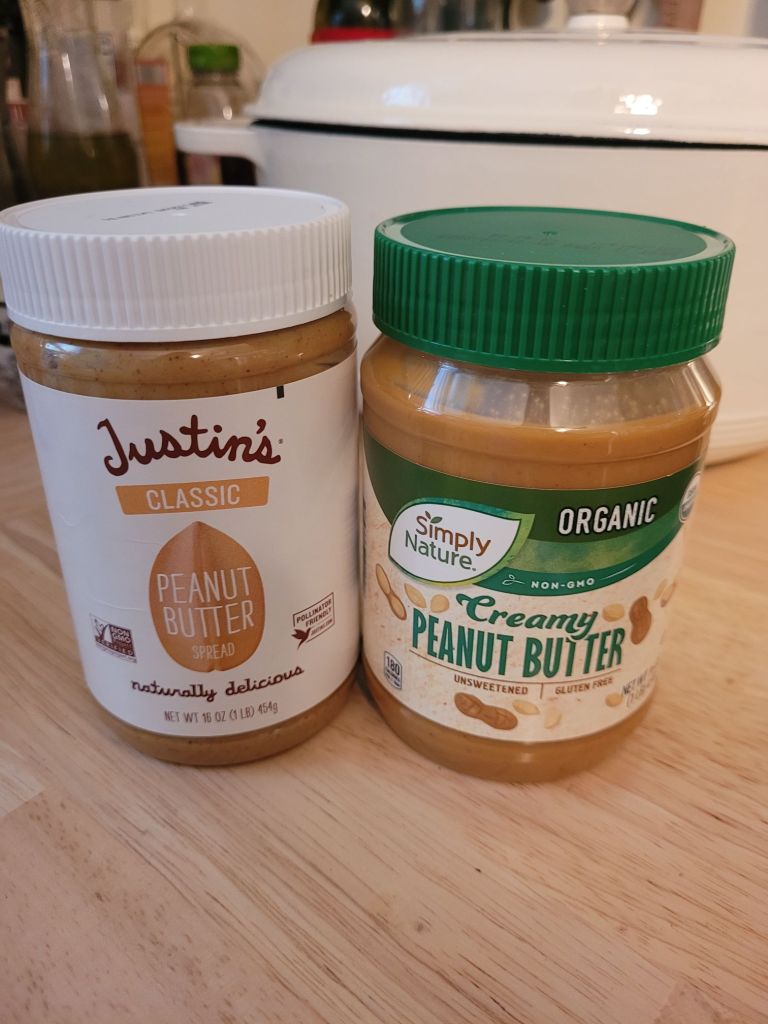
Recently, I bought some Justin’s brand peanut butter. It’s usually more expensive than other brands and has a great reputation for being a clean product. It’s often seen on the shelves of healthy grocery stores or in the “Greenwise” area of a mainstream grocer.

I was a bit disappointed to see that it contains palm oil.

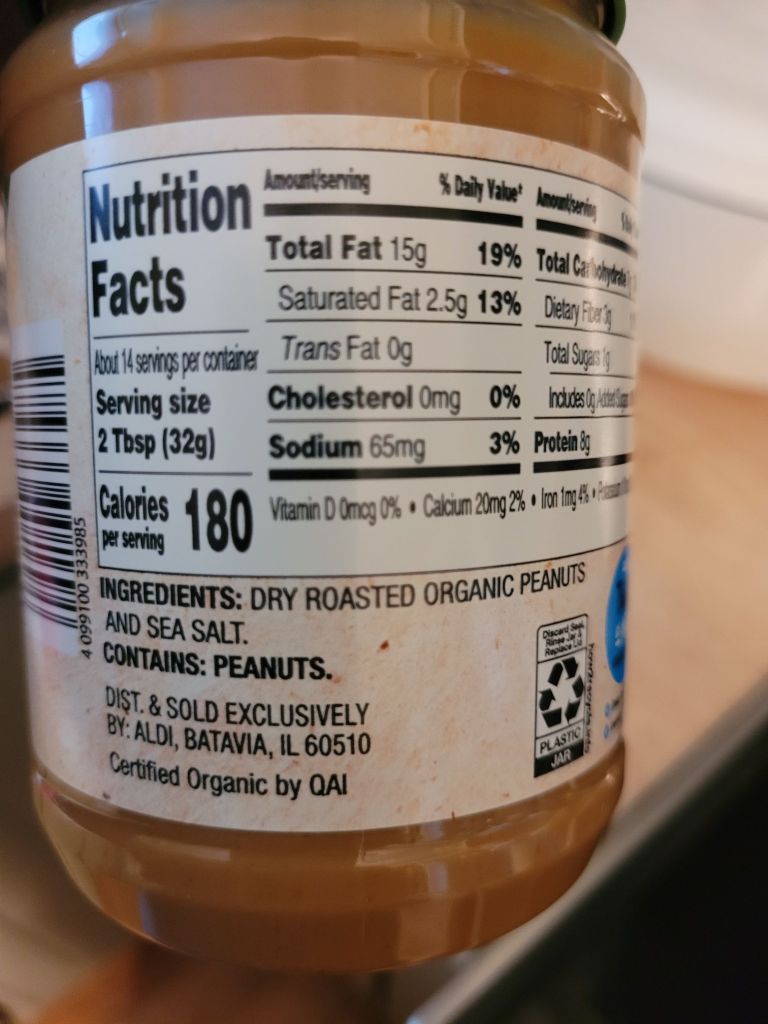
Here’s the healthy choice from Aldi. No added oils! Lower cost, too.

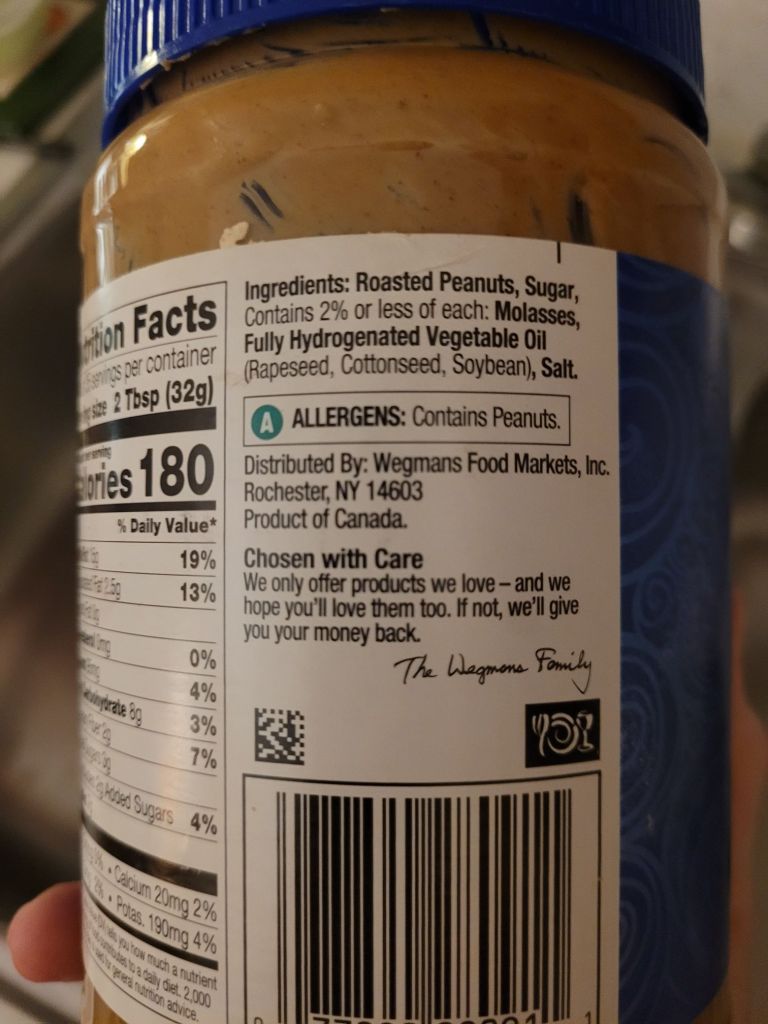
This weekend, I was at my daughter’s apartment and noticed her jar of peanut butter. It was a store brand, in a family-sized giant jar… look at the difference. 😨

I’ve asked her to throw it out, and she said yes! Replacing with Aldi’s brand.

Little steps. 👣

Algorithms

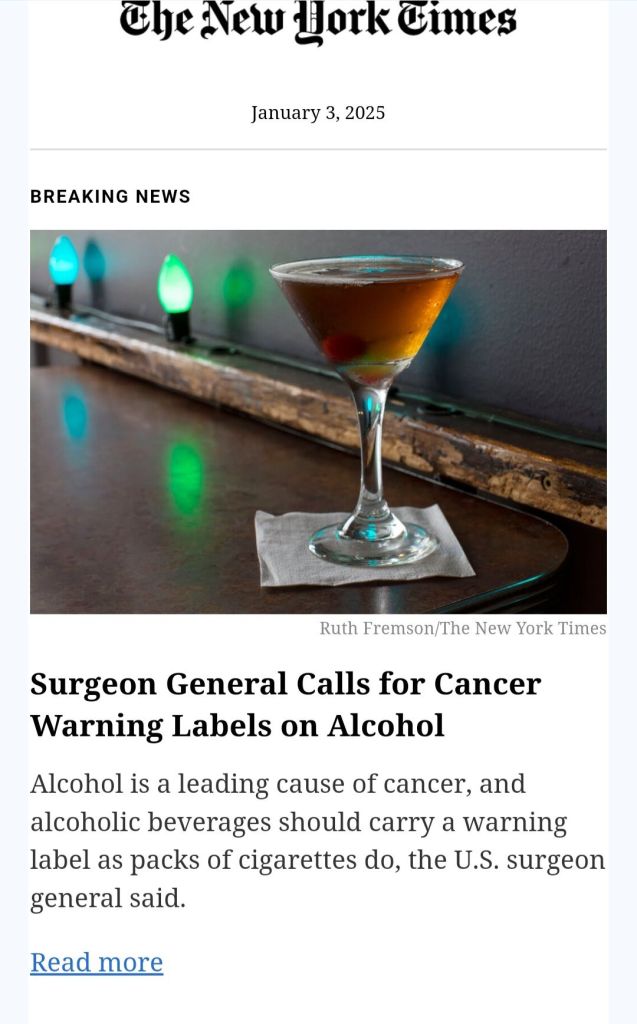
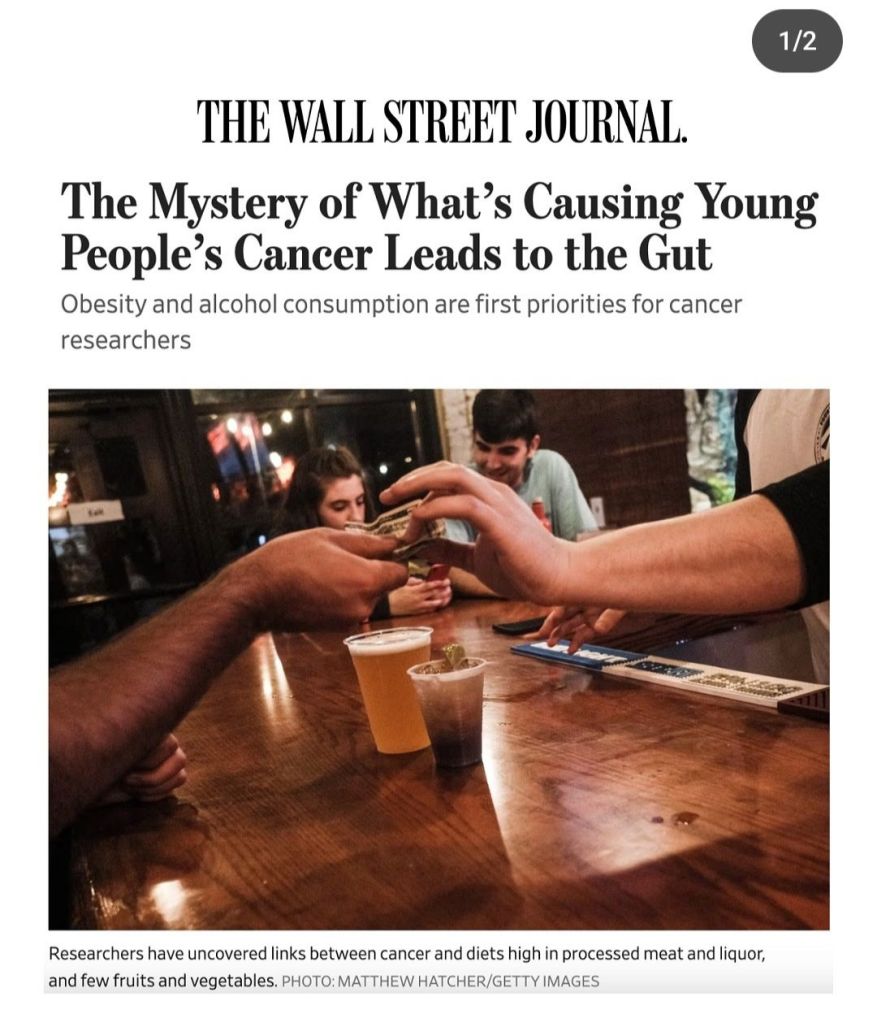
I’ve been in a “low-tox-living” algorithm for over a year now, but once in a while I see my concerns in the mainstream media, too.

Is it my imagination, or is the news about ultra-processed foods, pesticides, seed oils, food colorings, and other harmful food and drink ingredients appearing more and more?

Has America woken up? 🤔

Microplastics, pt 2

Found a couple of videos from Dr. Rhonda Patrick to illuminate the problems with and sources of microplastic exposure.

These are long but very worthwhile.

Warning: These are “Eye of Sauron” videos that may overwhelm you. Take breaks! I had to…

Takeaways:

  • Be cautious with your children’s clothing as they are still in development. Avoid polyester and rayon as they do shed micro- and nanoparticles of plastic.
  • Avoid using “moisture wicking” fabrics, especially because they are generally worn when exercising and, therefore, are heating up and stretching, which hastens the breakdown of the fabric.
  • Avoid drinking from plastic water bottles if possible. Be aware that some single-serve metal water bottles will have plastic lining. But of course, drink from these if they’re your only choice.
  • In the kitchen, avoid heating anything made or lined with plastic. That means avoid microwaving or even washing in high temperatures. It’s best to just throw these away and replace them with glass.
  • Avoid situations where vinegars or acidic fruits are used in plastic (to-go salads, etc.) as the vinegar/acid will work the same as heat to break down the plastic and release chemicals.
  • Microwave popcorn bags are lined in BPA, and that is released in the microwave. Avoid!!
  • Aluminum cans are also lined with BPAs, which are forever chemicals, which take years to leave your body.
  • Avoid getting any hot beverage in a to-go cup (plastic-lined). Because these are cheap and flexible, the BPA is released quickly when hot coffee or tea is put in. Carry a reusable mug and ask the barista to use it directly.
  • Throw out any non-stick cooking pans and replace with steel or cast iron.
  • Silicon baking materials are not to be used or trusted.

Explore her videos for more info on health and microplastics… including how to hasten their excretion from the body. Hint: sulforaphane, fibrous diet, etc.

Thankful

Thanksgiving was last week, and in that spirit, I’ve been making a list.

I’m thankful that my eyes are open now to the world of personal health, and personal responsibility for our health. The sheer amount of information and research is overwhelming and full of promise for the future of healthcare and cancer treatment.

I’m thankful to have a slow-moving condition. I really understand how lucky I am to NOT be in the shoes so many others are — finding out they have a disease and immediately needing to make decisions while they are in shock and have had no time to think, read, plan.

I’m so thankful to be able to make these changes and then see results in my weight, fitness, and bloodwork.

I’m so thankful to be able to influence and reinforce healthy habits within my family.

I’m so thankful for the brilliant doctors and researchers I’m learning about.

I’m thankful for my library card, YouTube, and the wonderful world of podcasts.

Thankful for my husband as we spend our 33rd Thanksgiving together.🦃🍁🧡

The blessings are overwhelming sometimes.

What are you thankful for?

Grateful

In college, I had a Grateful Dead t-shirt that said “Let Phil Sing” on the front.

On the back, it said, “Believe it if you need it. If you don’t, just pass it on.”

What an interesting sentiment.

I hadn’t thought about it in years, but it’s kinda what I’m trying to do here. Often, when I speak to someone about cancer, glyphosate/Roundup, new research, etc., I see signs that they don’t really believe or accept these things. I see their eyes begin to glaze over.

Honestly, if I didn’t have CLL, I wouldn’t want to think about any of these things. I would probably be hesitant to accept these ideas or to make any substantial changes in what I eat, how often I exercise, and all that.

I do hope that, because of my attempt to talk to them, or through this blog, that these folks will remember and sort of circle back to me when and if they need it. Or, if they know someone who is facing similar problems, that they (or you) will pass it on.

✌️❤️🧸

RIP Phil Lesh

1940 – 2024

Ice Cream, You Scream

My husband and son have to have their ice cream! I don’t join in (lactose issues, and it’s too sugary for my post-diagnosis diet)…

I tried to find a healthy ice cream brand using the Yuka app, but it seems that they just don’t exist.

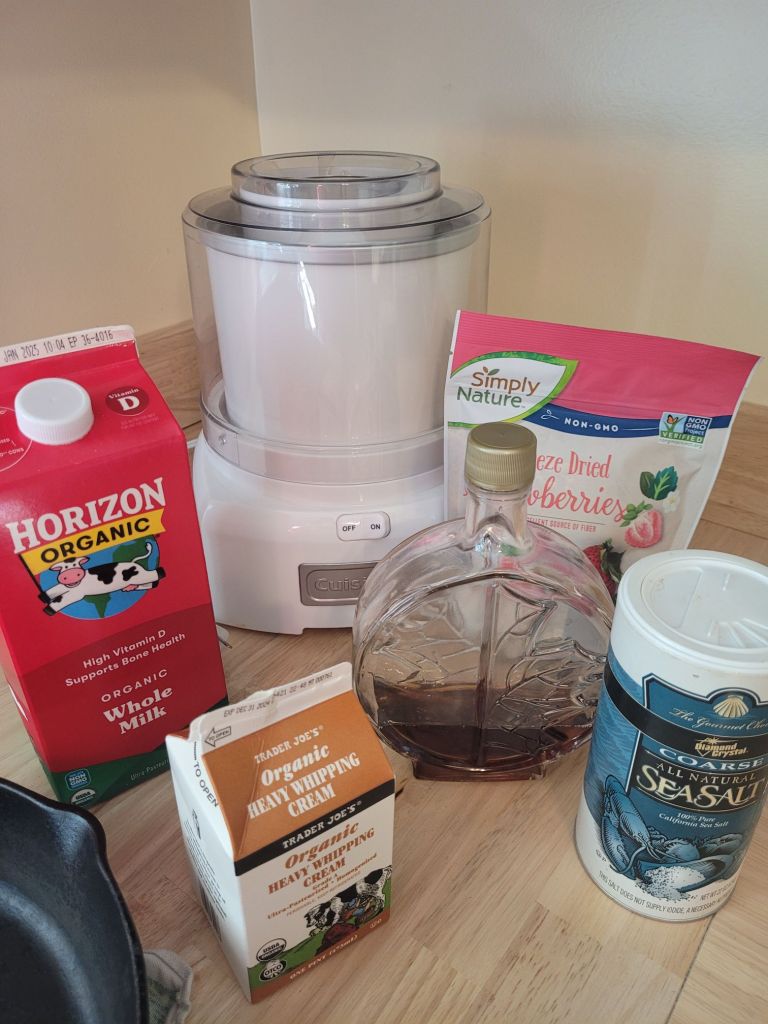
So, I decided to make it myself, using a little Cuisinart ice cream churn that our nephew gave us a few years ago.

Here’s the recipe:

  • One and a half cups organic heavy cream
  • One and a half cups organic whole milk
  • 2/3 cup maple syrup
  • 2 teaspoons vanilla extract
  • 1/8 teaspoon sea salt

I usually add in some organic dried cherries, strawberries, blueberries, etc. from Trader Joe’s or Aldi. Let them soak in the unchurned mixture for a while in the fridge.

Halfway through the churning process, I sometimes also add a handful of chocolate chips.


Update: Last night, Jimmy said the only thing wrong with this ice cream is that it is too rich. I’m going to experiment with different ratios between the milk and cream to find the best way to do it. I’ll post updates.

Black Plastic Kitchen Utensils

“…new research shows that many types of black plastics contain harmful flame retardants that shouldn’t be coming into contact with food.”

We all had them… just make sure you don’t have them anymore:

https://www.foodnetwork.com/healthyeats/news/throw-away-black-takeout-container-kitchen-utensils

The article also says to just throw them away… don’t recycle. Remove them from the cycle. Thank you!

Checkup

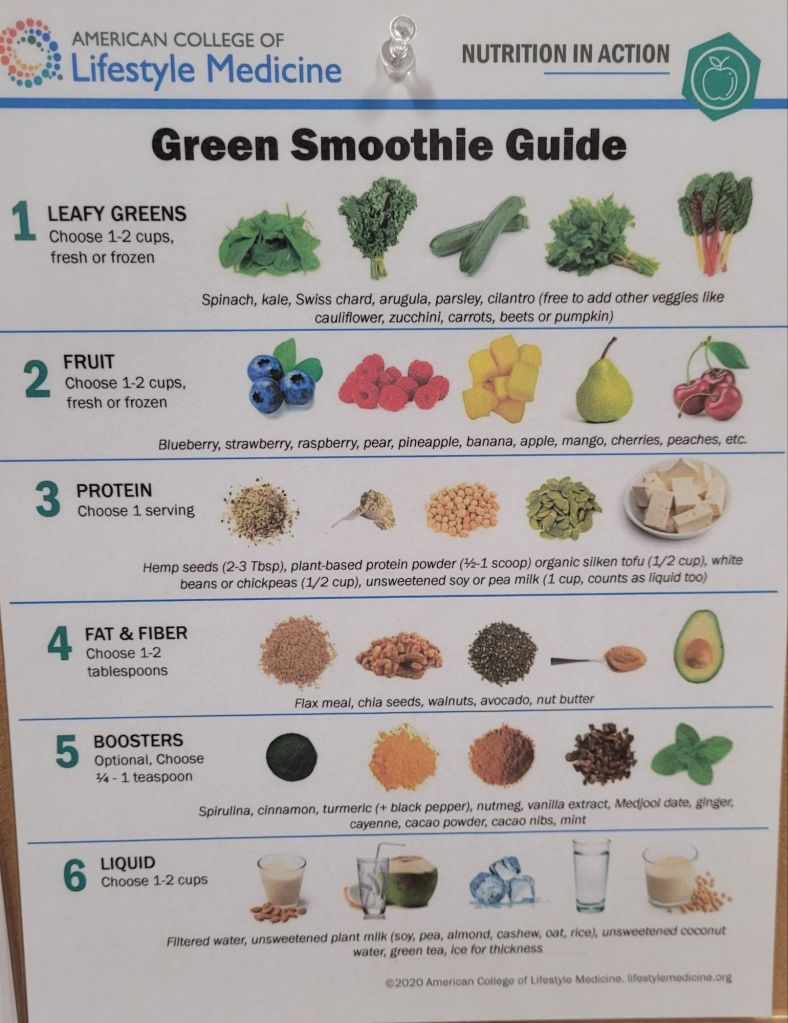
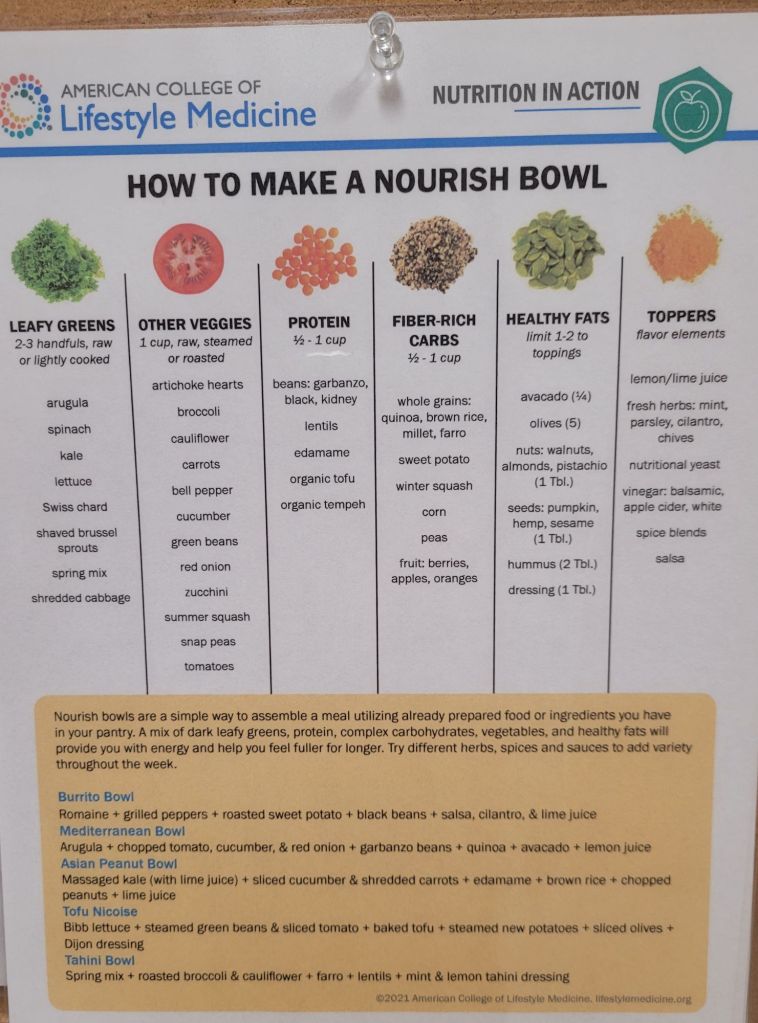
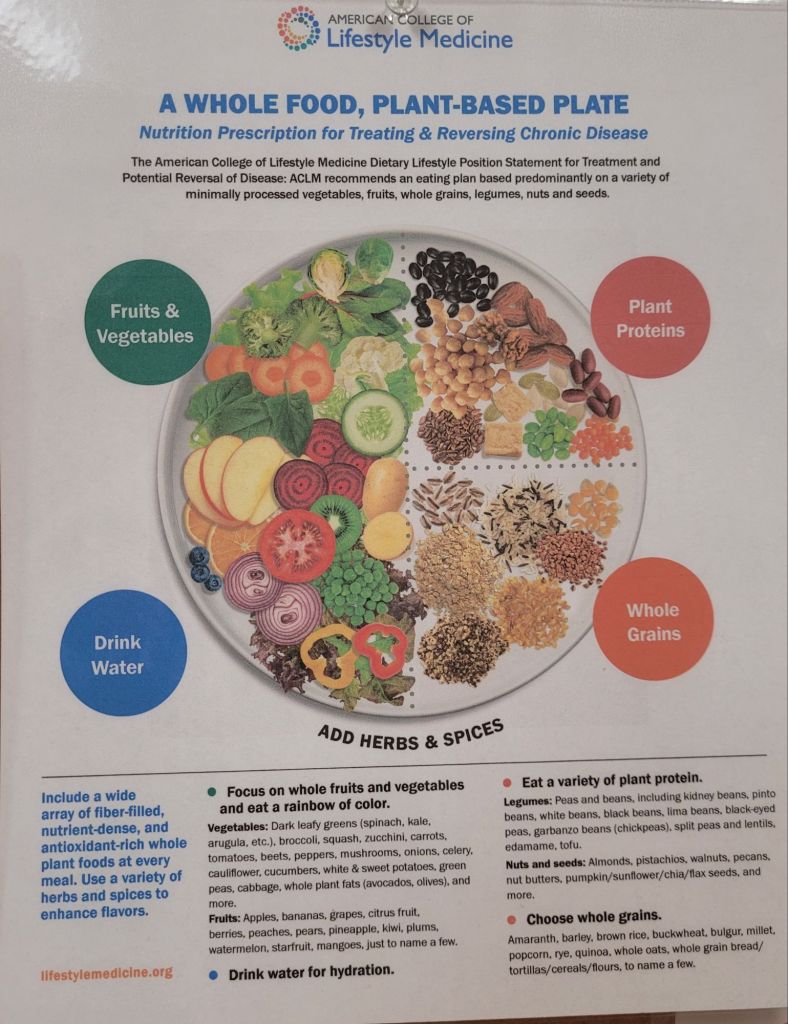
I had a checkup the other day and saw these on my doctor’s wall. How many times have you seen something like this?

There’s so much good info here. But prior to my diagnosis, I would have taken a little glance and not thought about it again. Now I’m pouring over them, matching this up with my own new patterns and habits.

Dishwashing

When we first stopped using Cascade and other traditional dishwashing detergent, we tried a recipe that called for baking soda, vinegar, and a little Dawn liquid.

It didn’t work so well, and our dishes came out very chalky.

I tried this brand and have been really pleased. They do a good job. The wrapping is water-soluble and doesn’t leave microplastic residue. I recommend them!