Are You Metabolically Healthy?

Dr. Casey Means uses these five key biomarkers to determine if a person is metabolically healthy. Do you make the cut?

  • An HDL level above 50 for women or above 40 for men. HDL stands for high-density lipoprotein.
  • A fasting glucose level of under 100 milligrams per deciliter.
  • A triglyceride level of less than 150 milligrams per deciliter.
  • Blood pressure under 120/85.
  • A waist circumference of less than 35 inches for women and less than 40 inches for men.

Dr. Means cites research that indicates that approximately 93% of adults are not metabolically healthy, which lays the groundwork for a variety of health problems, including diabetes, heart disease, dementia, and cancer.

Strangely, according to these markers, I’m actually in a healthy range … cancer and all. 🤔

Checkup

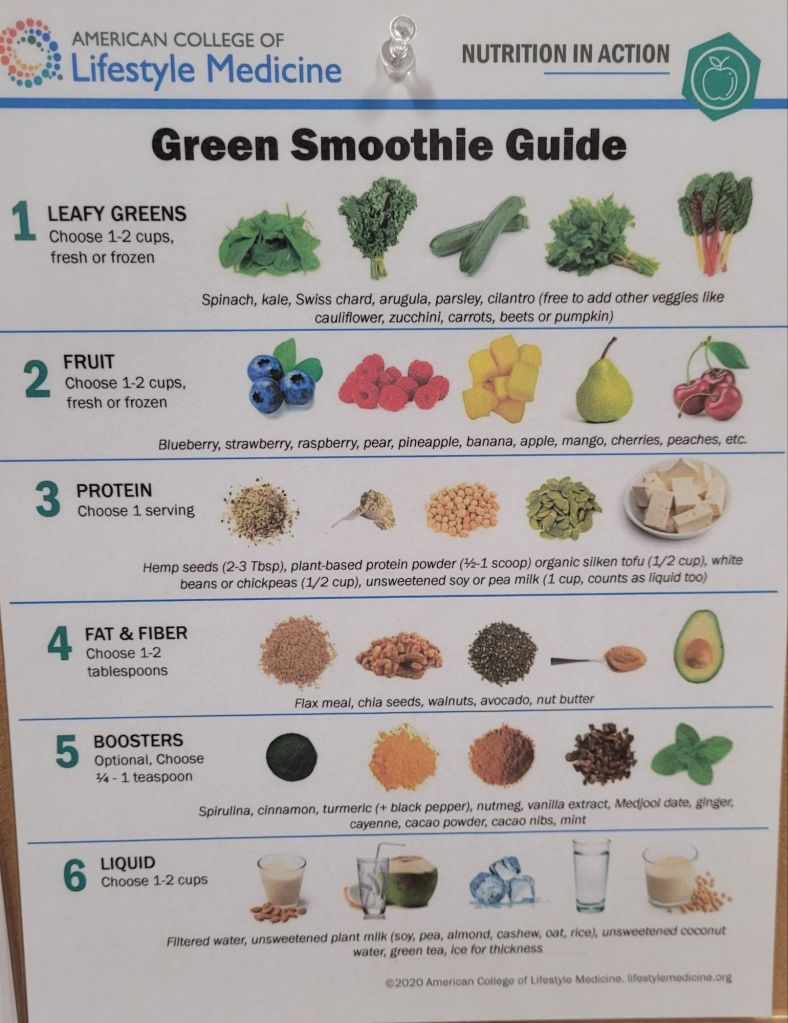
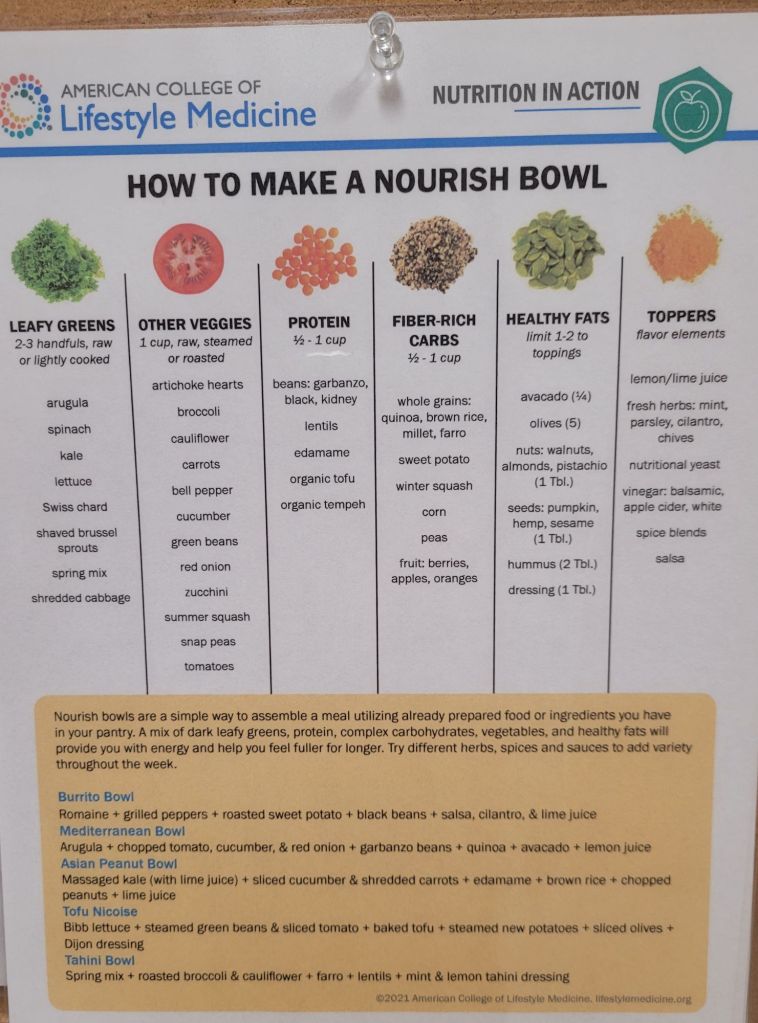
I had a checkup the other day and saw these on my doctor’s wall. How many times have you seen something like this?

There’s so much good info here. But prior to my diagnosis, I would have taken a little glance and not thought about it again. Now I’m pouring over them, matching this up with my own new patterns and habits.

Dishwashing

When we first stopped using Cascade and other traditional dishwashing detergent, we tried a recipe that called for baking soda, vinegar, and a little Dawn liquid.

It didn’t work so well, and our dishes came out very chalky.

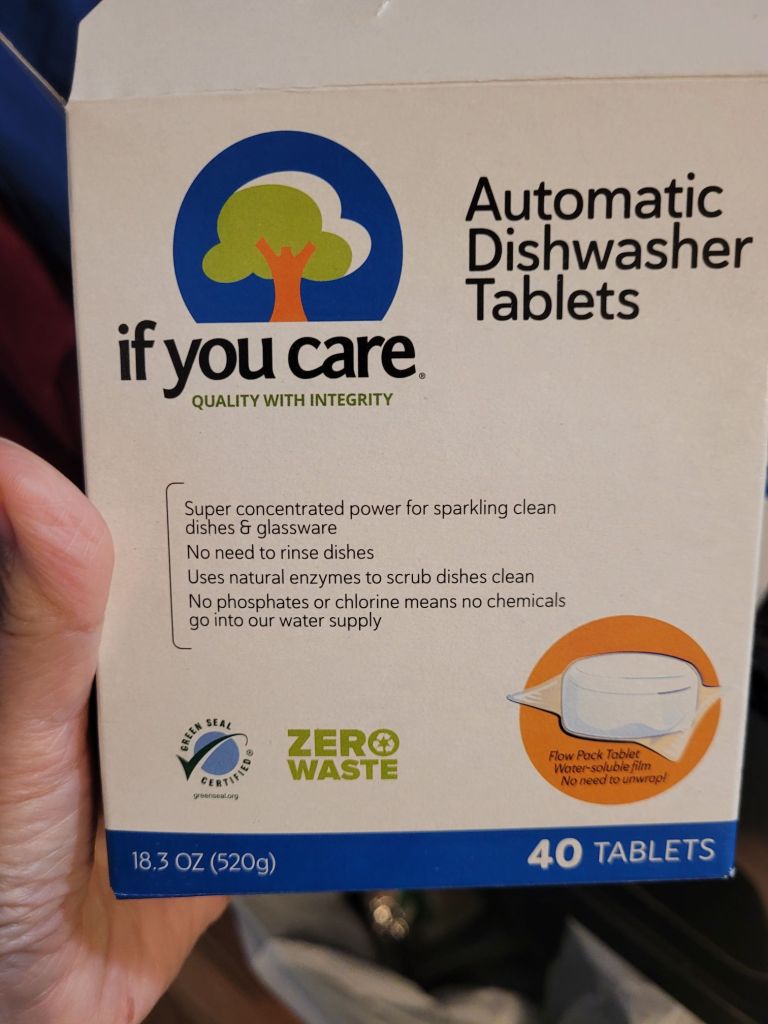
I tried this brand and have been really pleased. They do a good job. The wrapping is water-soluble and doesn’t leave microplastic residue. I recommend them!

Eat for Good Energy

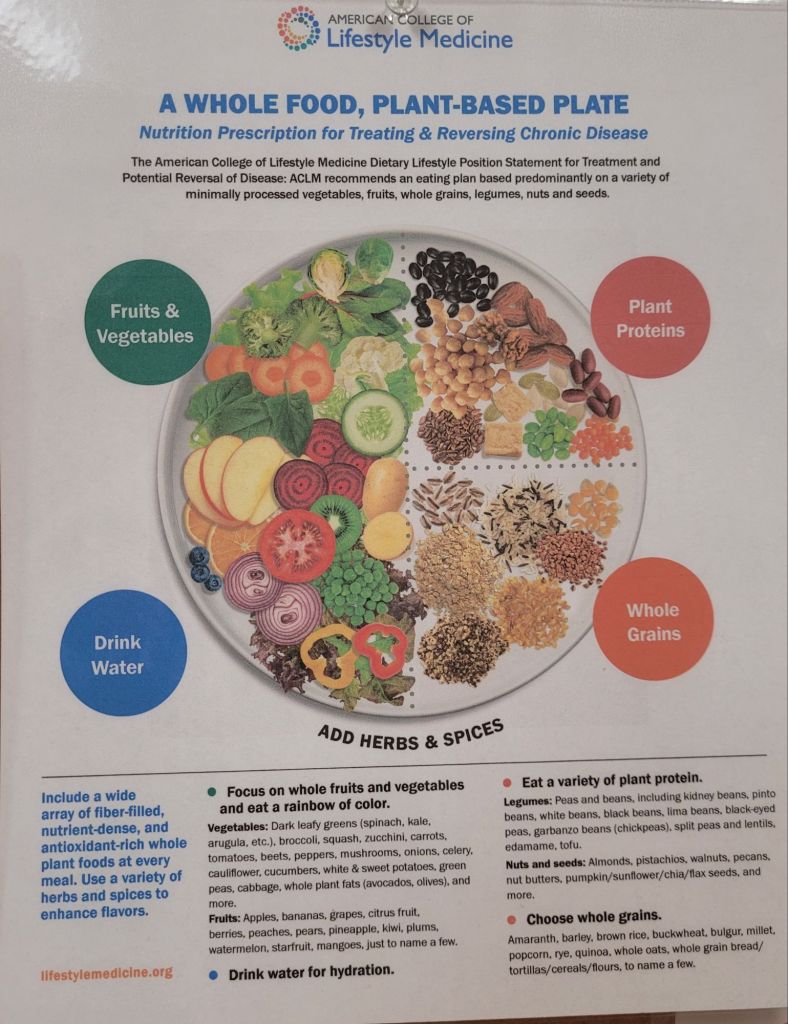
These are the notes I took while reading Good Energy and watching Dr. Casey Means discuss her new plan for optimally healthy meals.

She (and many other doctors and nutritionists) wants us to ditch the food pyramid, which pushed carbs as the staple food, and move to something like this 5-slice pie above.

If we could design each meal to include one element from each section, we would be healthier in terms of our mitochondrial function.

I put it on the fridge so I see it every day, at every meal.

Rebounding

CLL is considered both a leukemia and a lymphoma. (Yeah… I got a BOGO on cancer 😵‍💫?!?)

Having watched my mother and my sister-in-law battle breast cancer, I knew that the lymph system is often the pathway for a disease to spread / become metastatic.

However, with blood cancer, it’s everywhere already. There is no locus or tumor. The cancer circulates all the time.

There really is no pump or circulation process for lymphatic fluid, other than our own movement. Being a desk worker, I know I’ve been living in a dangerously sedentary way.

Things have been way too stagnant in my entire lymph system.

So I needed to find ways to move and stimulate my lymph system to circulate fluid… ways that would work during the long cold winters here in upstate NY… It’s a challenge!

So now I’m bringing in more movement and sweat to my days. I do the morning activation routine, a daily lymphatic massage (usually in the shower), and use the rebounder here and there throughout the day.

Here’s why:

It’s great with music or when watching a TV show with my husband (though I think it gets on his nerves a bit… 🤪)

Fasting

Years ago, we caught a pledge week show on PBS about fasting. It was really interesting and surprising — not eating is healthy? Quite a paradigm shift from our day-to-day habits and culture.

My husband bought the book related to that program, read up, and eventually did a 3-day fast. He really liked how it made him feel better, sharpening his mind and jump-starting weight loss.

Fasting came back to mind when I got diagnosed. My husband and my best friend were immediately suggesting it, too.

Between my first meeting with my cancer hematologist and my second meeting, I greatly changed my diet and also did 3 fasts: one after the holidays, one for a colonoscopy, and one when my husband had his colonoscopy.

Looking at my bloodwork from those 2 appointments, there WAS a decrease in my markers. Plus, I felt better and had more energy.

Here is a great introduction to the power of fasting with Dr. Pradip Jamnadas.

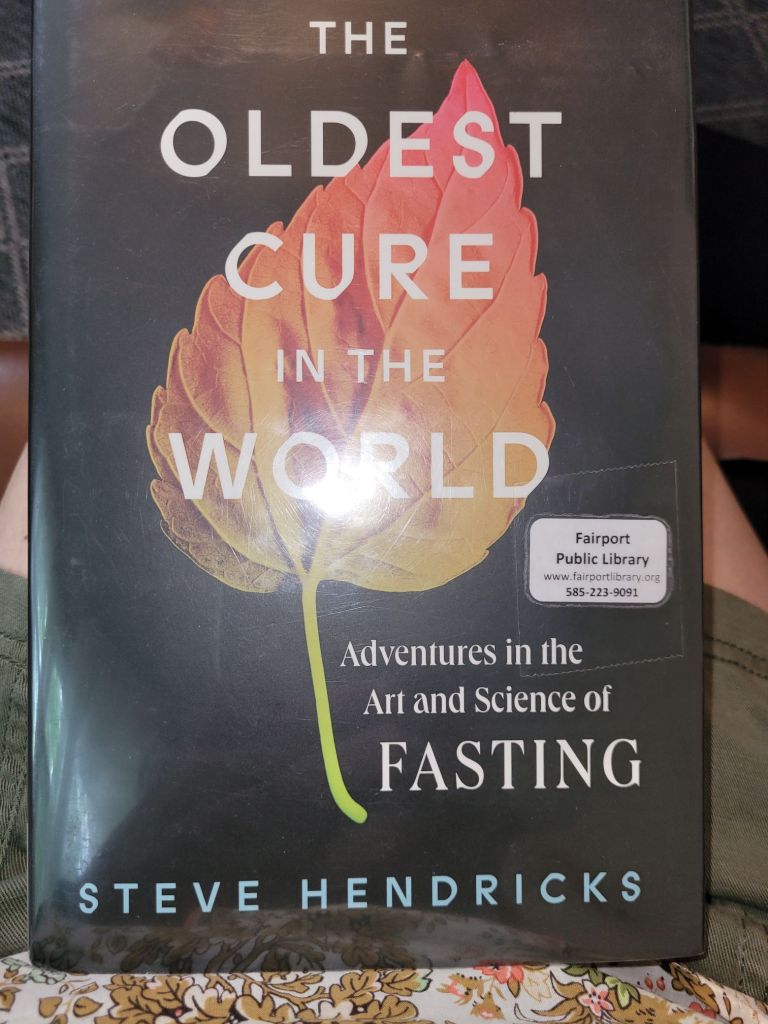
This book is amazing as well. Both are long but worth it.

Since then, I’ve learned a ton about fasting, intermittent fasting, meal timing, nutrition, and metabolic health. And it’s exciting to see fasting being talked about by some very cutting-edge researchers and physicians.

Stamp Out Lung Cancer

In my professional life, I build online learning. Over the past year, I’ve worked on two projects concerning lung cancer.

It was hard (and also stragely helpful) to dive into lung-cancer-related content for work while also diving into a ton of content about leukemia for my own reasons.

I wanted to share some of it with YOU. Please read and share!

🫁

Did you know that lung cancer is the DEADLIEST kind of cancer in the US? It’s true! More people die annually from it than from breast, prostate, and colon cancer COMBINED! There are two reasons this is so.

First, the lungs have very few nerve endings, and so lung cancer can grow without causing pain or symptoms.

Q. HOW CAN THIS BE SOLVED?

A. BY GETTING SCREENED!

Think of a lung screening just as you would an annual mammogram, colonoscopy, or trip to the dermatologist.

Low-dose CT scans are available for those who smoked or have other risk factors. Click here to check your eligibility and learn more:

https://www.lung.org/lung-health-diseases/lung-disease-lookup/lung-cancer/saved-by-the-scan

🫁

The second reason why lung cancer is so deadly is because of the STIGMA surrounding it. People simply don’t talk about it, seek second opinions, or get support when diagnosed. By trying to avoid the perceived shame of their illness, many will suffer and not find quality treatment.

Q: HOW CAN THIS BE SOLVED?

A: BY TALKING ABOUT IT!


We can ALL reduce the stigma by normalizing the subject, showing support and caring! Which is what I’m doing right now.

If you want to learn more about lung cancer, or you just want to check out some of the important work being done by the American Lung Association (and me), visit lung.training.

Fridge Oats

So I’m not eating Cheerios anymore, or really anything from the cereal aisle (if we’re being truthful, it’s more of a candy aisle).

But I still like oats! If you can find an organic source, here’s a tasty and quick breakfast recipe — and it is loaded with fiber, aka post-biotics.

These Woodstock Oats are great. Yuka gives them an excellent rating, 100 out of 100.

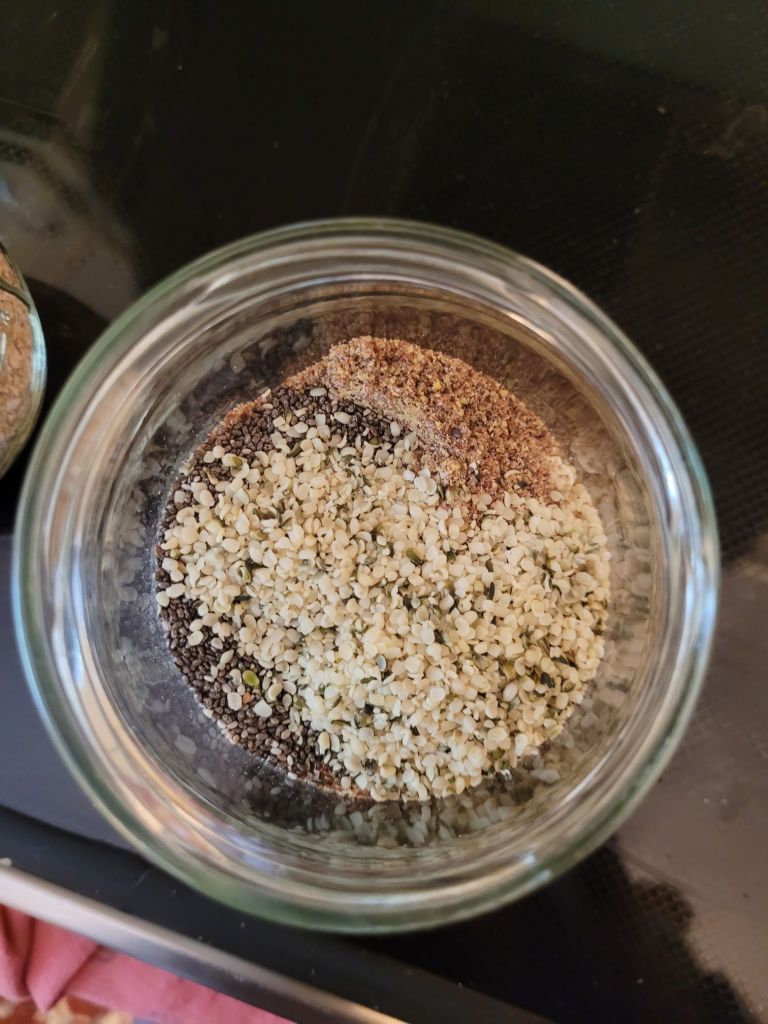
So I fill up a little jar about 50% full of the oats, then add a heaping spoonful (each) of milled flax seeds, hemp seeds, and chia seeds. These are all organic, purchased at either Trader Joe’s or Aldi.

Add a couple sprinkles of cinnamon if you like, then stir everything up. Add the milk of your choice and stir again.

If you want to add honey or maple syrup, add it after you stir, and don’t stir any more because it will get sticky and your spoon will get coated. Just put it on top.

Pop on the lid and put it in the fridge. Let it soak overnight or at least for a few hours.

When you’re ready to eat, add some chopped apples, raspberries, or blueberries. You’ll probably also want to add a little more milk as the oats really soak it up!

Pro tip: Check your teeth after eating, because these seeds get stuck everywhere, and you may look a little crazy 🤪 after eating!

Bon Appétit!

What’s Good?

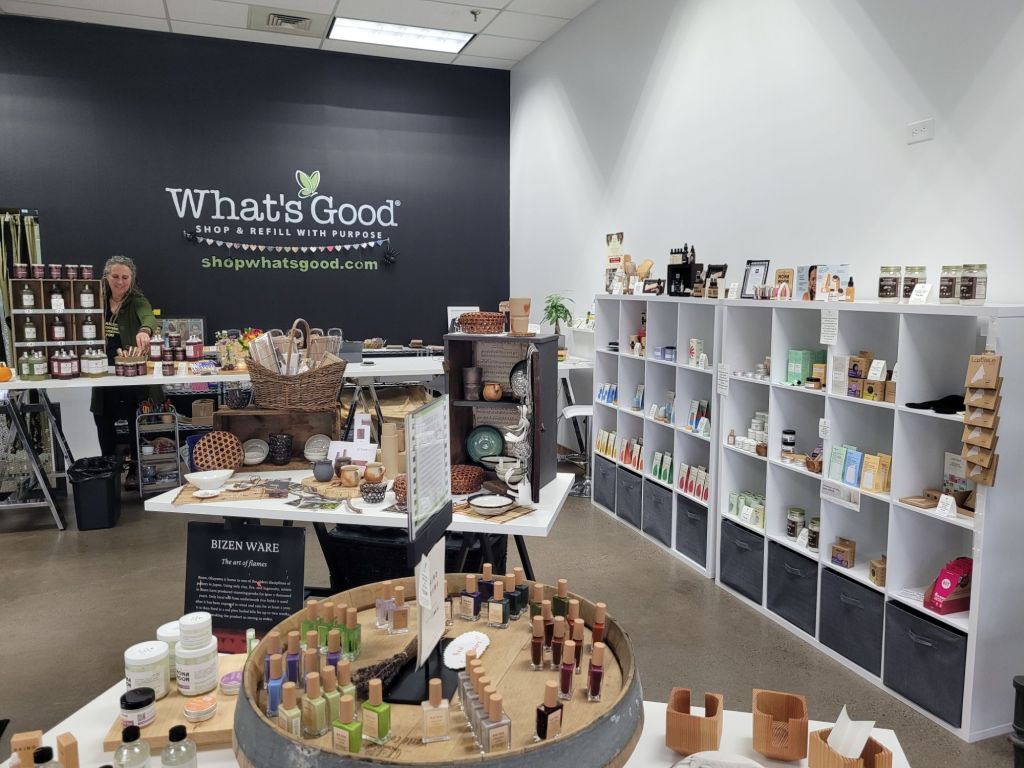
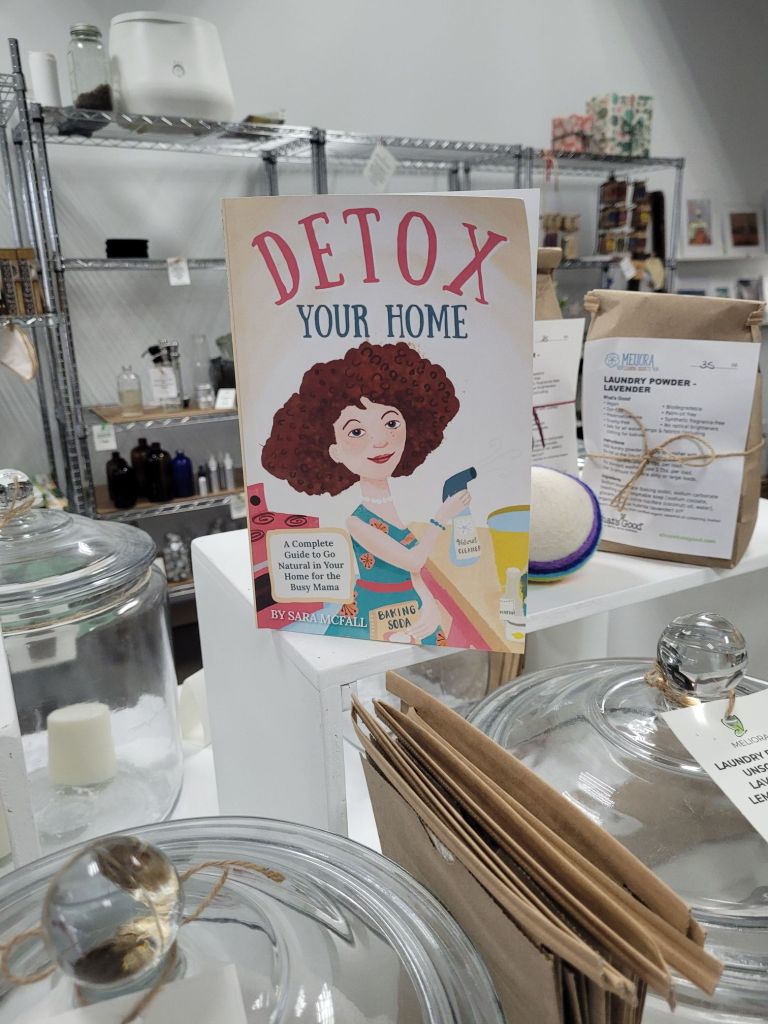
On Saturday, I do my errands and, more and more, I’m returning to a great little store called “What’s Good.”

They offer a variety of non-toxic or very low toxic products, which totally align with my goals now.

I’m regularly buying laundry detergent and dishwasher tablets from them, plus the bar shampoo and conditioner. Today I got some beeswax wraps to re-use rather than foil, saran, or waxpaper.

They’ve got great gifts for kids and adults, rings made from seaglass, composting books, native seeds, etc. They host events and speakers and keep the community informed on environmental topics.

They encourage people to bring glass jars and just refill them for items like hand soap, dishwasher soap, etc.

I encourage you to look in your own area for a shop like this, and then, of course, support them!

https://shopwhatsgood.com/

Sulforaphane

Isn’t it beautiful? Look at those Fibonacci swirls! 🤩

Sulforaphane is a phytonutrient compound found in cruciferous vegetables. Regular consumption is connected with an overall lower risk of cancer, and many studies show that it fights active cancer, too.

Here’s a quick list of cruciferous veggies:

  • Broccoli
  • Brussels sprouts
  • Cabbage
  • Cauliflower
  • Collard greens
  • Bok choy
  • Kale
  • Radish
  • Romanesco broccoli, pictured above
  • Watercress
  • Wasabi

The food that has the most sulforaphane is actually the broccoli SPROUT, which are  delicious in a salad. The sprouts can have 10 to 100 times the amount of sulforaphane than the mature vegetable.

I’ve definitely upped my intake this year, and I’m regularly eating sprouts & microgreens now.

Here are some interesting videos if you want to learn more. Dr. Eric Berg below points out that it has been studied a lot, more than 35 times.

In the video below, Dr. Moss shares that this research is very controversial, because most  chemotherapy drugs do not kill cancer stem cells, but this common, inexpensive vegetable DOES.

Learn more about these veggies: https://www.gardeningknowhow.com/edible/vegetables/vgen/cruciferous-vegetables.htm