I’ve been in a “low-tox-living” algorithm for over a year now, but once in a while I see my concerns in the mainstream media, too.
Is it my imagination, or is the news about ultra-processed foods, pesticides, seed oils, food colorings, and other harmful food and drink ingredients appearing more and more?
Found a couple of videos from Dr. Rhonda Patrick to illuminate the problems with and sources of microplastic exposure.
These are long but very worthwhile.
Warning: These are “Eye of Sauron” videos that may overwhelm you. Take breaks! I had to…
Takeaways:
Be cautious with your children’s clothing as they are still in development. Avoid polyester and rayon as they do shed micro- and nanoparticles of plastic.
Avoid using “moisture wicking” fabrics, especially because they are generally worn when exercising and, therefore, are heating up and stretching, which hastens the breakdown of the fabric.
Avoid drinking from plastic water bottles if possible. Be aware that some single-serve metal water bottles will have plastic lining. But of course, drink from these if they’re your only choice.
In the kitchen, avoid heating anything made or lined with plastic. That means avoid microwaving or even washing in high temperatures. It’s best to just throw these away and replace them with glass.
Avoid situations where vinegars or acidic fruits are used in plastic (to-go salads, etc.) as the vinegar/acid will work the same as heat to break down the plastic and release chemicals.
Microwave popcorn bags are lined in BPA, and that is released in the microwave. Avoid!!
Aluminum cans are also lined with BPAs, which are forever chemicals, which take years to leave your body.
Avoid getting any hot beverage in a to-go cup (plastic-lined). Because these are cheap and flexible, the BPA is released quickly when hot coffee or tea is put in. Carry a reusable mug and ask the barista to use it directly.
Throw out any non-stick cooking pans and replace with steel or cast iron.
Silicon baking materials are not to be used or trusted.
Explore her videos for more info on health and microplastics… including how to hasten their excretion from the body. Hint: sulforaphane, fibrous diet, etc.
Soooo, yeah, we are eating and inhaling plastic. Little bits are being found in people’s brains… half a percent on average! 😬
Microplastics are even clogging up arteries, adding to obstructive artery problems, heart attacks and the like. Ugh.
Is it a problem? Yes.
Does it have a connection to cancer? Yes.
From what I’ve gathered, it can work in the same way an oyster creates a pearl. A bit of sand finds its way into the oyster, the oyster is irritated, the immune system reacts, and it coats the sand with layer upon layer of mucus or film until the irritating grain of sand is smooth.
In our bodies, foreign items are attacked by our immune system, too. It usually involves redness, swelling (inflammation), and mucus. Because the plastic isn’t going to break down, the immune response continues. This creates a “locus” or location around which cells may stop functioning properly due to prolonged inflammation.
This is why talcum powder causes ovarian cancer.
This is not to even mention the chemicals that leach from the plastic as it accumulates in our bodies, ☠️ ☣️ or leach into our food as we microwave items in plastic or in cheap steamer bags…
So anyway, if you are looking for a resolution today, New Years Day 2025, I recommend going through your kitchen cabinets and throwing out all the plastic, especially the thin stuff that comes from take-out containers.
Only drink from glass, metal, or pottery.
Get rid of any plastic cutting boards, which can break down as they are being used, with little plastic shavings going right into your food.
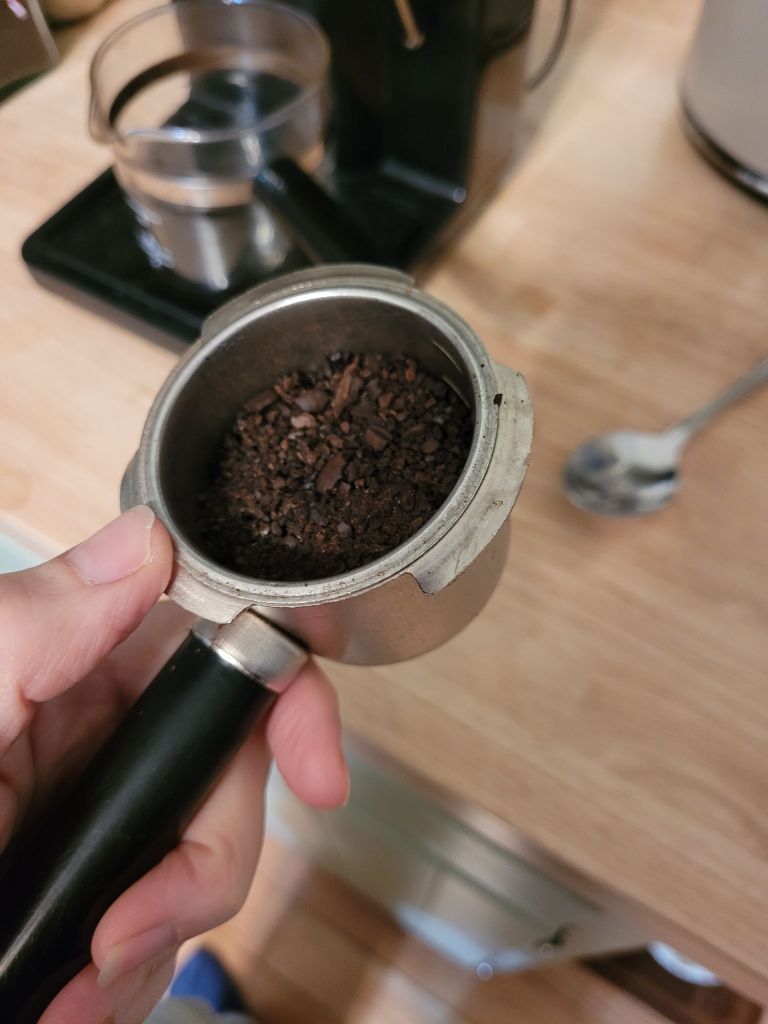
And please, get rid of any coffee maker that brews boiling water through plastic. Those Keurig and Nespresso cartridges are so dangerous!! I’m sure you can find an after-Christmas sale on a French press or a coffee maker with a steel grounds holder.
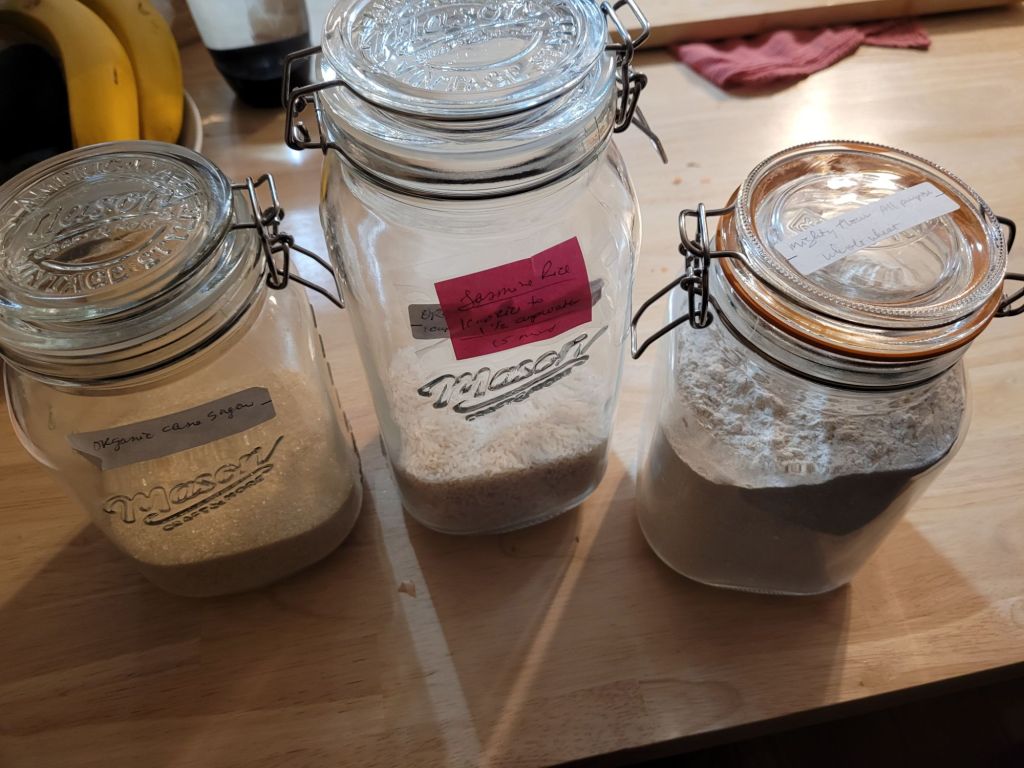
Storage containers and canisters should be changed out for glass. It’s healthier and looks good too.
A lot of food, even organic food, is sold in plastic. So, when you get home from the grocery store, spend time moving the food to glass storage, rather than leaving it in the original plastic.
Little steps. Let’s all take these little steps in the new year for our health, and for our families.
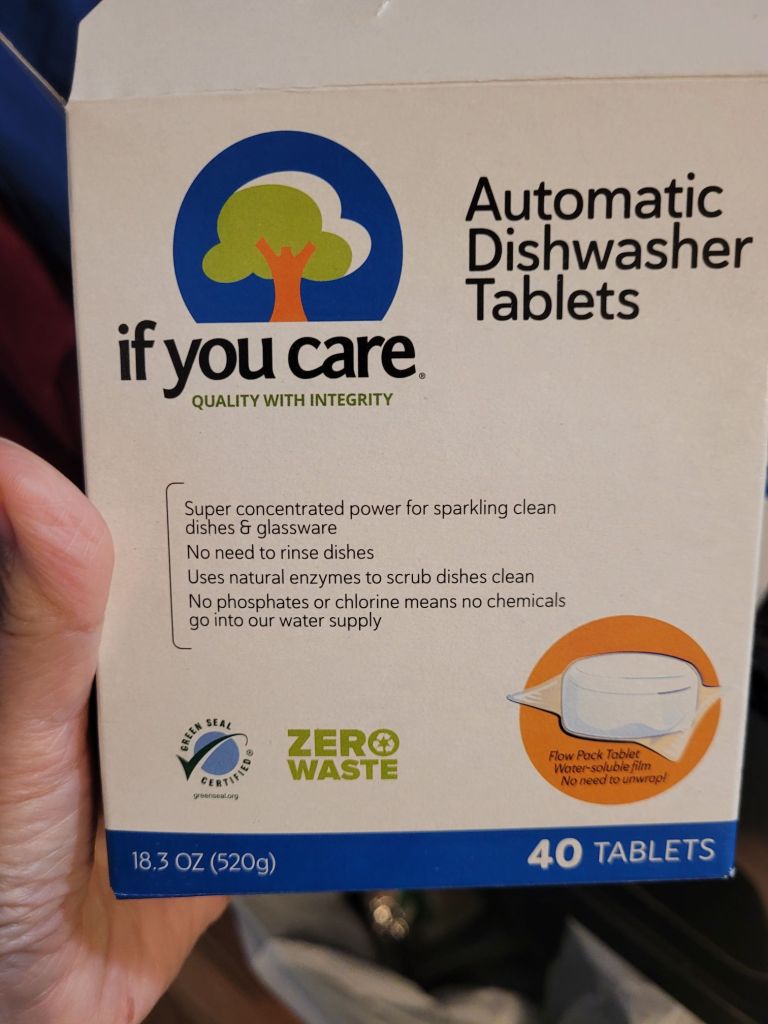
When we first stopped using Cascade and other traditional dishwashing detergent, we tried a recipe that called for baking soda, vinegar, and a little Dawn liquid.
It didn’t work so well, and our dishes came out very chalky.
I tried this brand and have been really pleased. They do a good job. The wrapping is water-soluble and doesn’t leave microplastic residue. I recommend them!
So I’m not eating Cheerios anymore, or really anything from the cereal aisle (if we’re being truthful, it’s more of a candy aisle).
But I still like oats! If you can find an organic source, here’s a tasty and quick breakfast recipe — and it is loaded with fiber, aka post-biotics.
These Woodstock Oats are great. Yuka gives them an excellent rating, 100 out of 100.
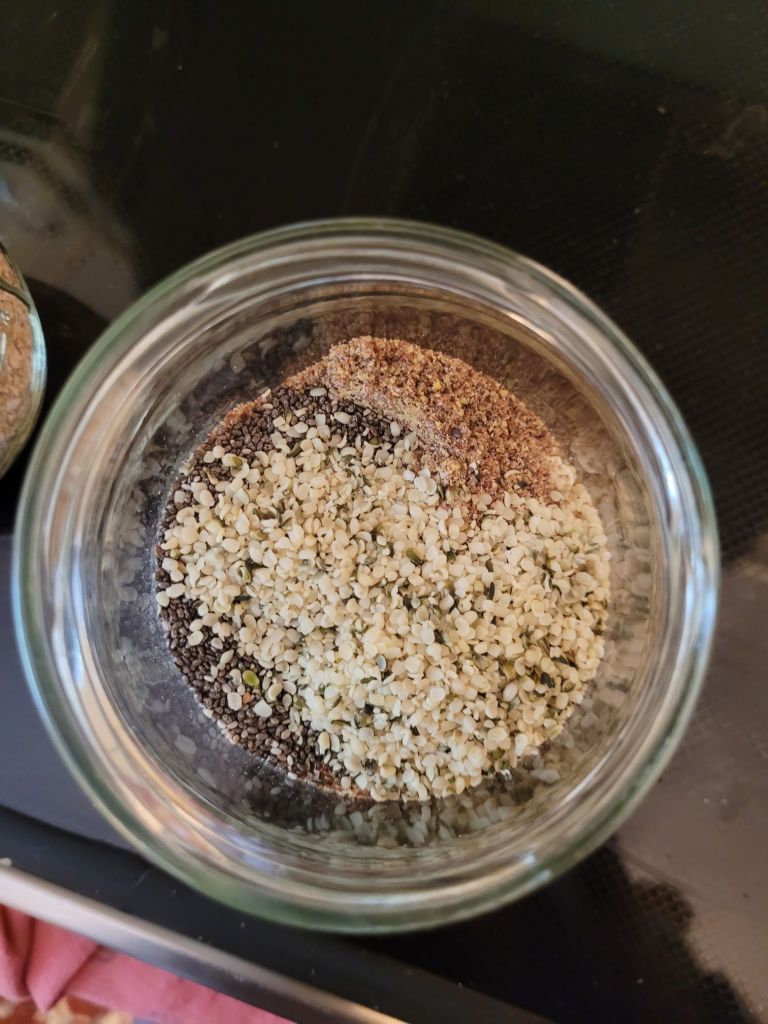
So I fill up a little jar about 50% full of the oats, then add a heaping spoonful (each) of milled flax seeds, hemp seeds, and chia seeds. These are all organic, purchased at either Trader Joe’s or Aldi.
Add a couple sprinkles of cinnamon if you like, then stir everything up. Add the milk of your choice and stir again.
If you want to add honey or maple syrup, add it after you stir, and don’t stir any more because it will get sticky and your spoon will get coated. Just put it on top.
Pop on the lid and put it in the fridge. Let it soak overnight or at least for a few hours.
When you’re ready to eat, add some chopped apples, raspberries, or blueberries. You’ll probably also want to add a little more milk as the oats really soak it up!
Pro tip: Check your teeth after eating, because these seeds get stuck everywhere, and you may look a little crazy 🤪 after eating!
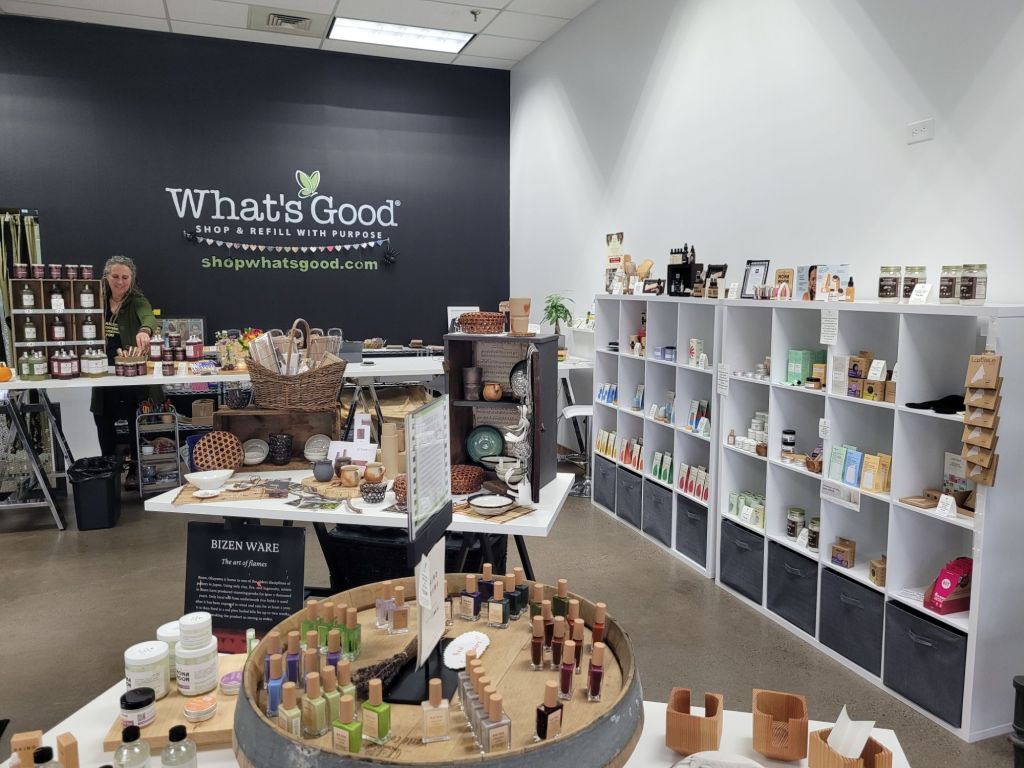
On Saturday, I do my errands and, more and more, I’m returning to a great little store called “What’s Good.”
They offer a variety of non-toxic or very low toxic products, which totally align with my goals now.
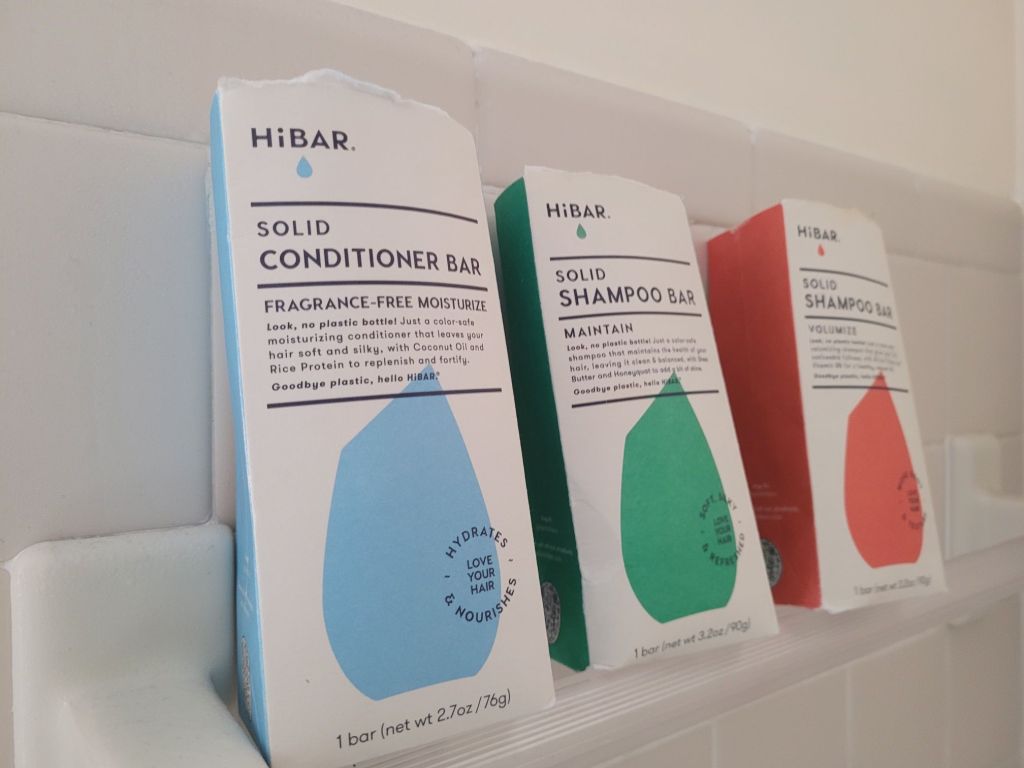
I’m regularly buying laundry detergent and dishwasher tablets from them, plus the bar shampoo and conditioner. Today I got some beeswax wraps to re-use rather than foil, saran, or waxpaper.
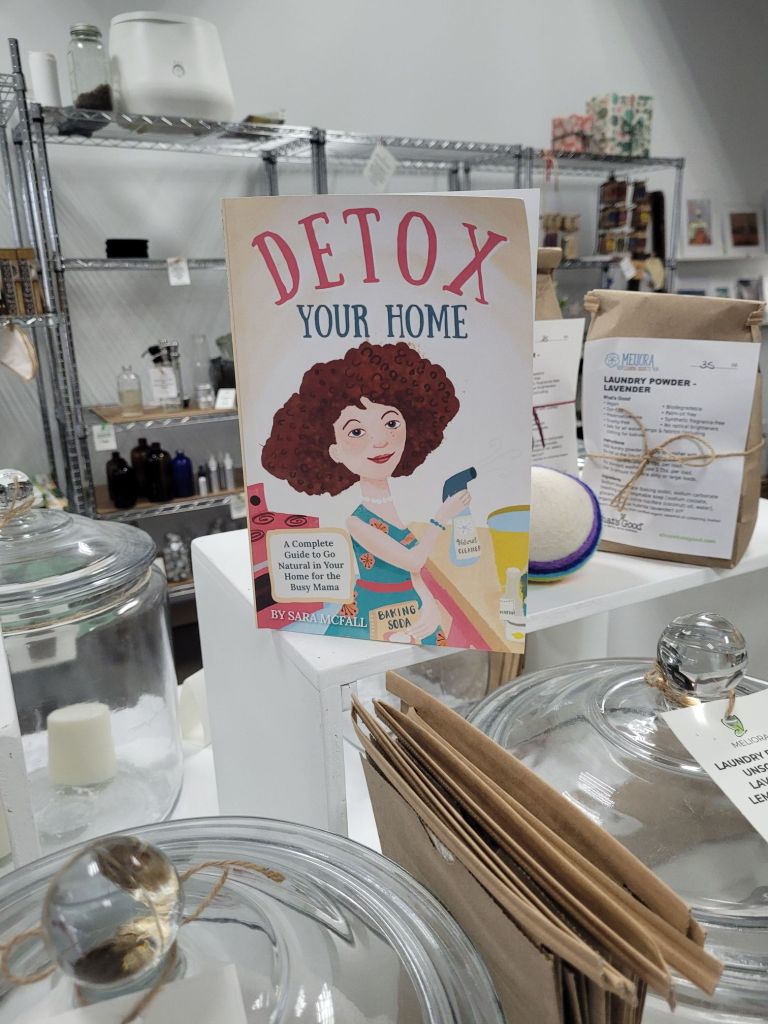
They’ve got great gifts for kids and adults, rings made from seaglass, composting books, native seeds, etc. They host events and speakers and keep the community informed on environmental topics.
They encourage people to bring glass jars and just refill them for items like hand soap, dishwasher soap, etc.
I encourage you to look in your own area for a shop like this, and then, of course, support them!
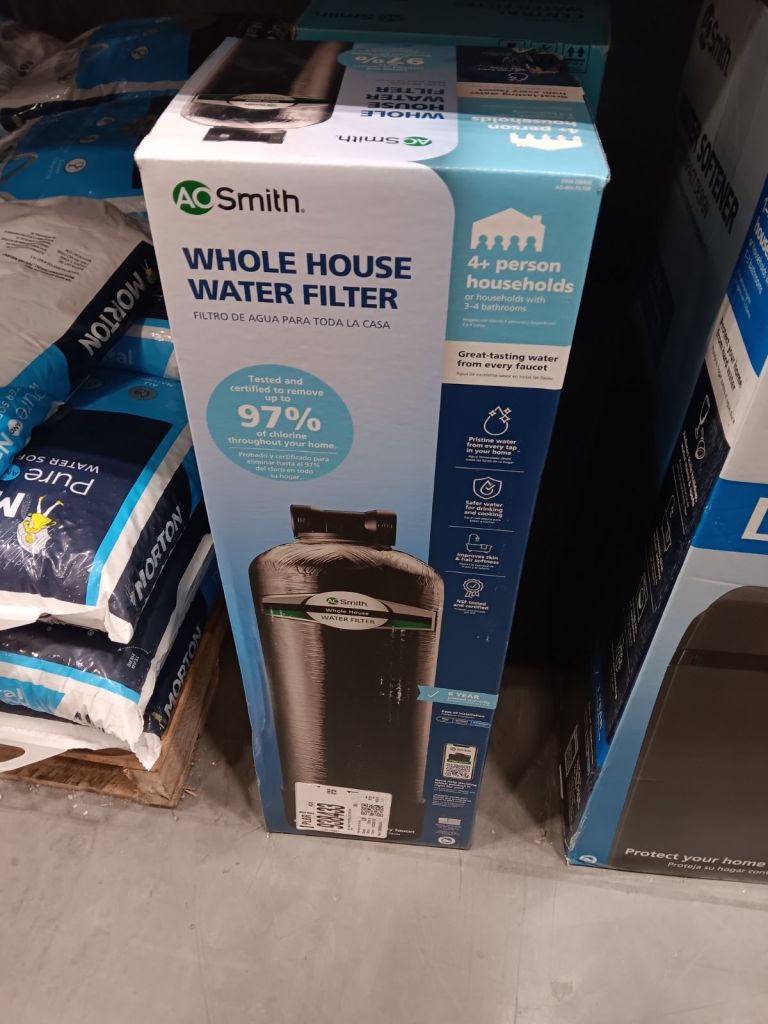
Looked into various water filters today at Lowe’s. Found the small ones for one single faucet, but also found this whole home system for $339.
Ok, that’s more expensive than the single faucet systems, and it would need to be installed between the main water line and the hot water heater by a professional, which could cost a bit, BUT it filters for the entire house. And you change the charcoal only once for each 6 years (assuming a 4-person household).
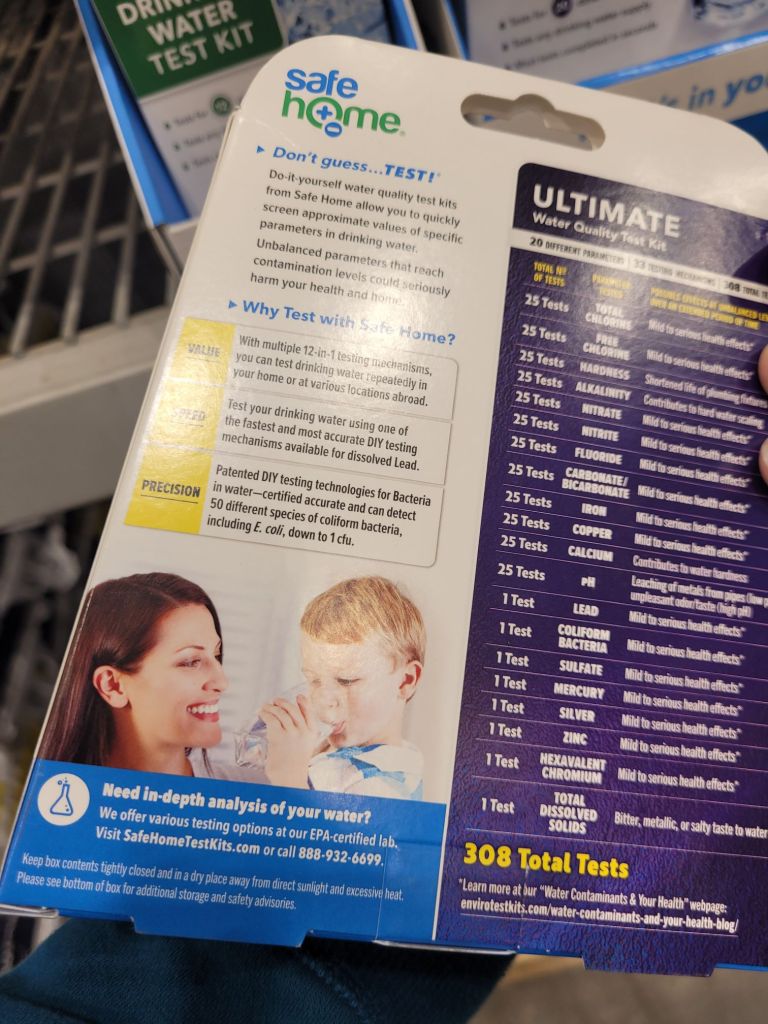
Lowe’s also has some DIY water testing kits. Though neither the basic kit ($13) nor the ultimate kit ($29) includes a test for glyphosate, it does cover quite a few other types of chemicals and contaminants.
I like these tests because you don’t send them off to the lab. You actually just get the results immediately using a litmus-type strip.
I found this free app that really helps when shopping and searching for healthy products, not just foods but soaps, lotions, etc. It’s called Yuka.
You open the app, scan a product bar code, and up pops a little report on the product. If it gets a bad score, the app suggests a “cleaner” product, which is often in the same shelf area.
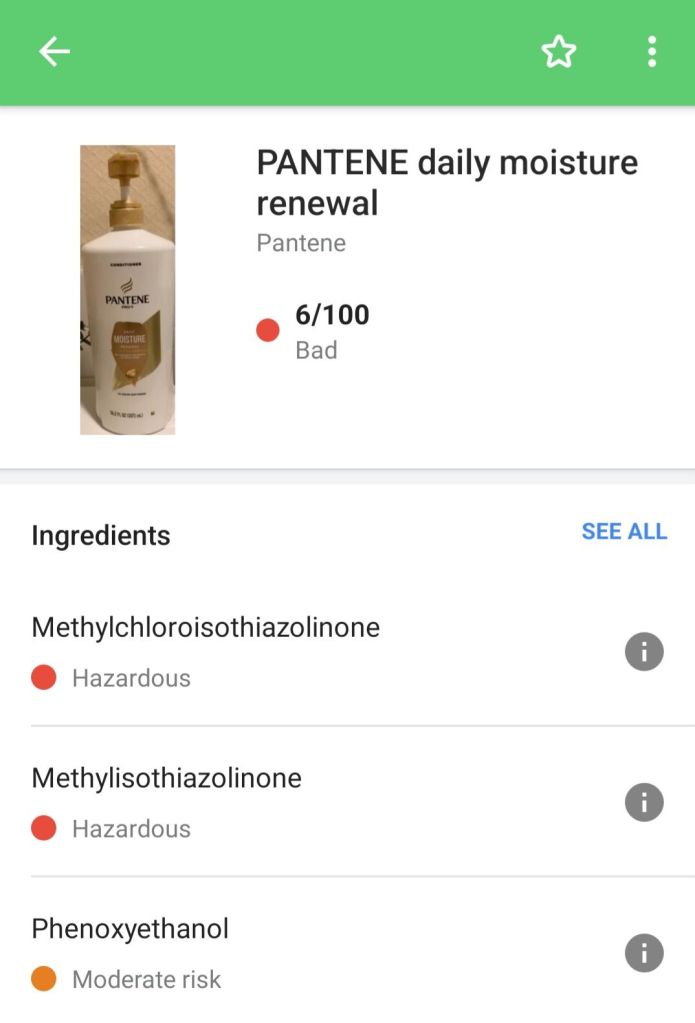
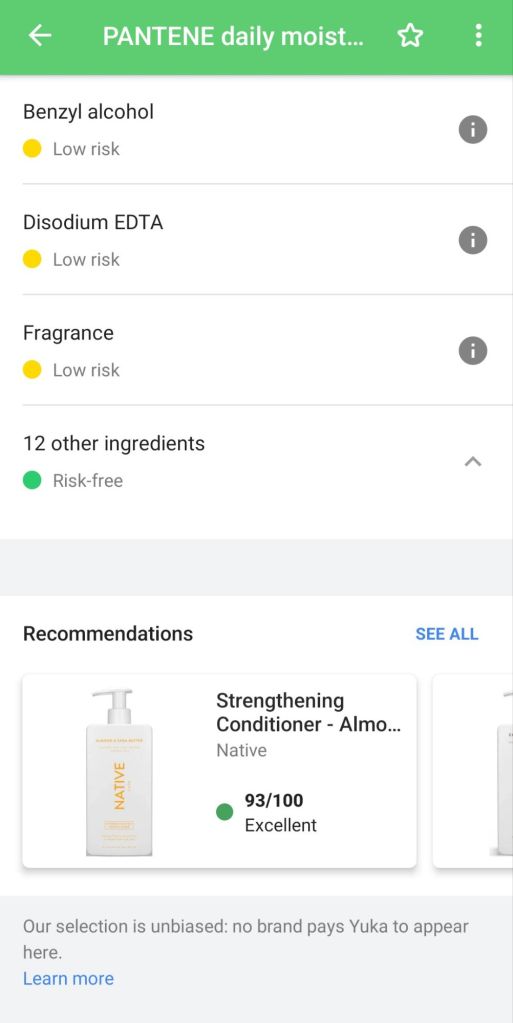
Let’s check out this Pantene shampoo…
Ok so… probably not going to buy that again. But Native looks great!
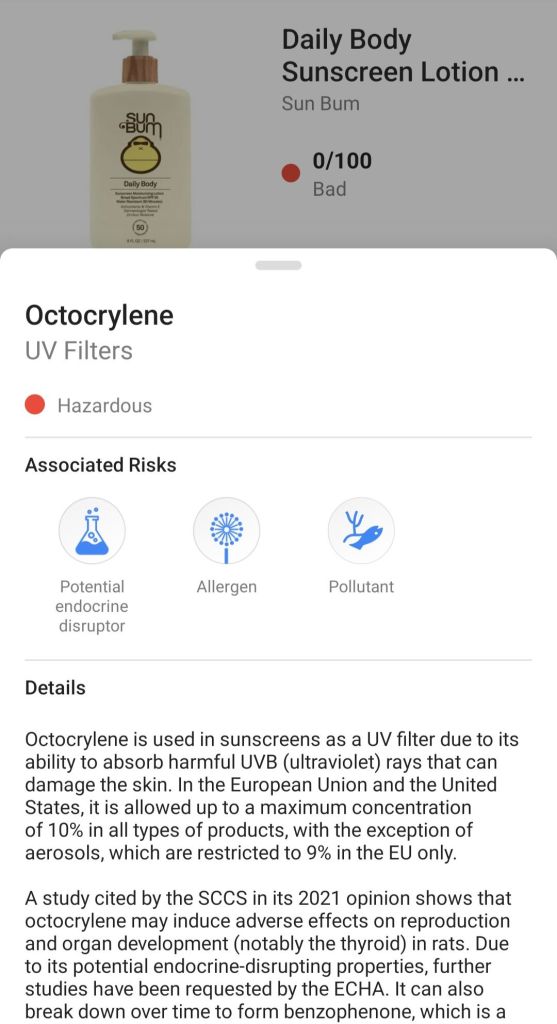
You can click the little “i” icon for information about each flagged ingredient.
Here’s another scan of a product I really thought was “clean” but wasn’t.
I love this app, as it makes shopping easier. Download it and give it a try.
Use it to clean out your pantry and bathroom cabinet first. Out with the old toxic stuff, in with the new!
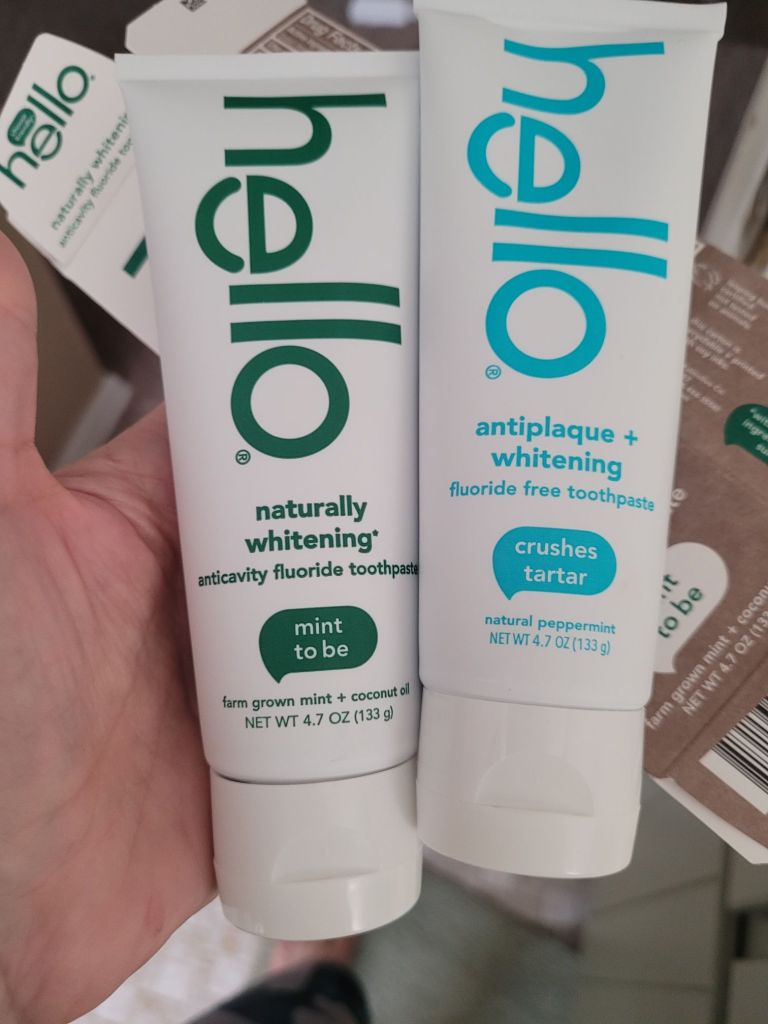
Here’s a few of my favorite new products that I found using the Yuka app:





 The Cancer Canary