Magpie

I named this blog The Cancer Canary, but lately I feel more like a magpie, collecting little bits of info and trying to piece together a bigger picture.

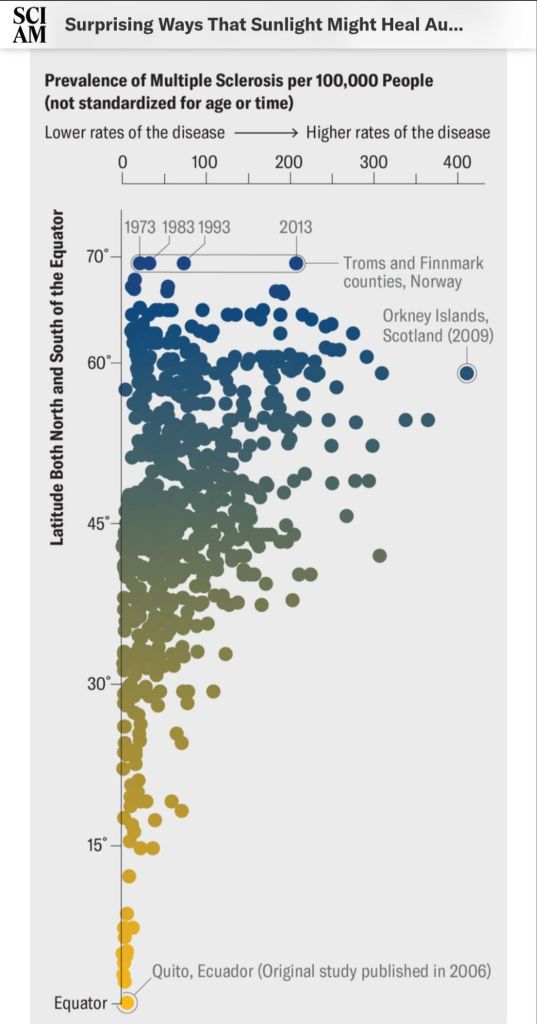
Check out this article in the June issue of Scientific American. It’s about the immune system and UV exposure. Mostly, it is about how plain old 🌞 sunshine can help those who suffer from muscular sclerosis and other auto-immune disorders. However, there are implications for cancer patients as well, as many cancers begin with inflammation.

Surprising Ways That Sunlight Might Heal Autoimmune Diseases | Scientific American

https://share.google/pBPdI6tGG2qqelzym

I came across another article recently about lidocaine being used to induce apoptosis in head and neck squamous cell carcinoma.

Apoptosis is the programmed cell death that should kill off old and damaged cells. Somehow, it switches off when a person develops cancer, and cells that should die off stop dying off.

This research is drawing a link between this simple topical numbing agent and the ability to trigger cell death. Amazing!

“Lidocaine’s distinct bitter taste arises from its activation of a taste receptor known as T2R14, a receptor found in high concentrations in various cancer cells, particularly those in the head and neck. Researchers at the University of Pennsylvania postulated that lidocaine may interact with cancer cells through this receptor.”

Researchers Find the Mechanism Behind Potential Anticancer Properties in Lidocaine


And here’s one from Consumer Reports on how to avoid microplastics:
https://www.consumerreports.org/health/health-wellness/how-to-eat-less-plastic-microplastics-in-food-water-a8899165110/

Salt & Pepper

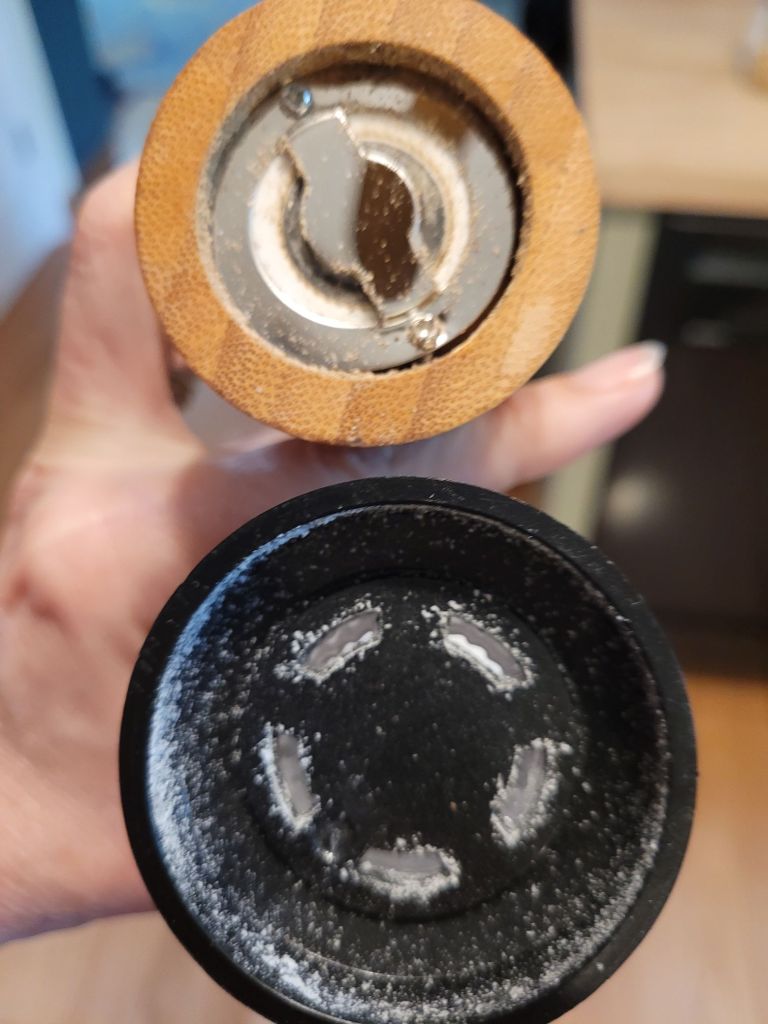
Was using my salt and pepper grinders today and realized that they BOTH have plastic grinding gears … yet another way for microplastics (or not-so-micro-plastics) to break off, get into our food, and then be consumed.

I’m throwing them out!!

Ughghghghghghg!

Granite Pans

A few years ago, my son wanted to get me a Mother’s Day gift I would use… so he asked what I wanted, and I said an egg pan that was not Teflon coated but didn’t take all day to clean.

Tall order, I thought.

He got me two non-stick granite pans made by Michaelangelo. They looked good and worked great and I was really pleased.

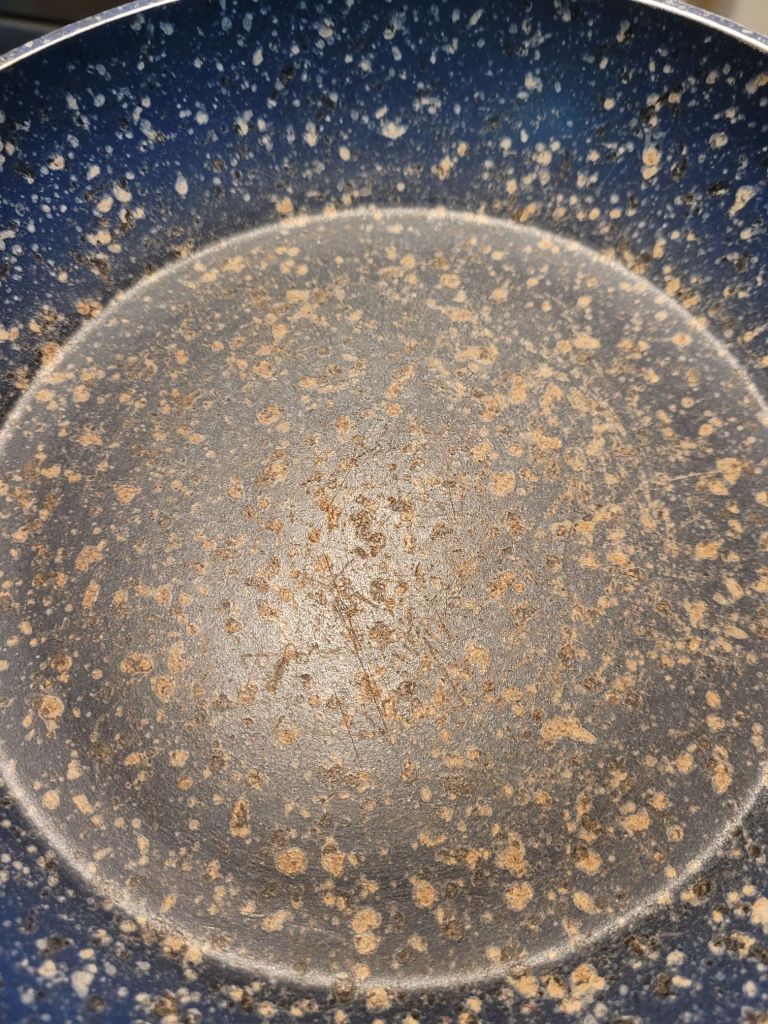
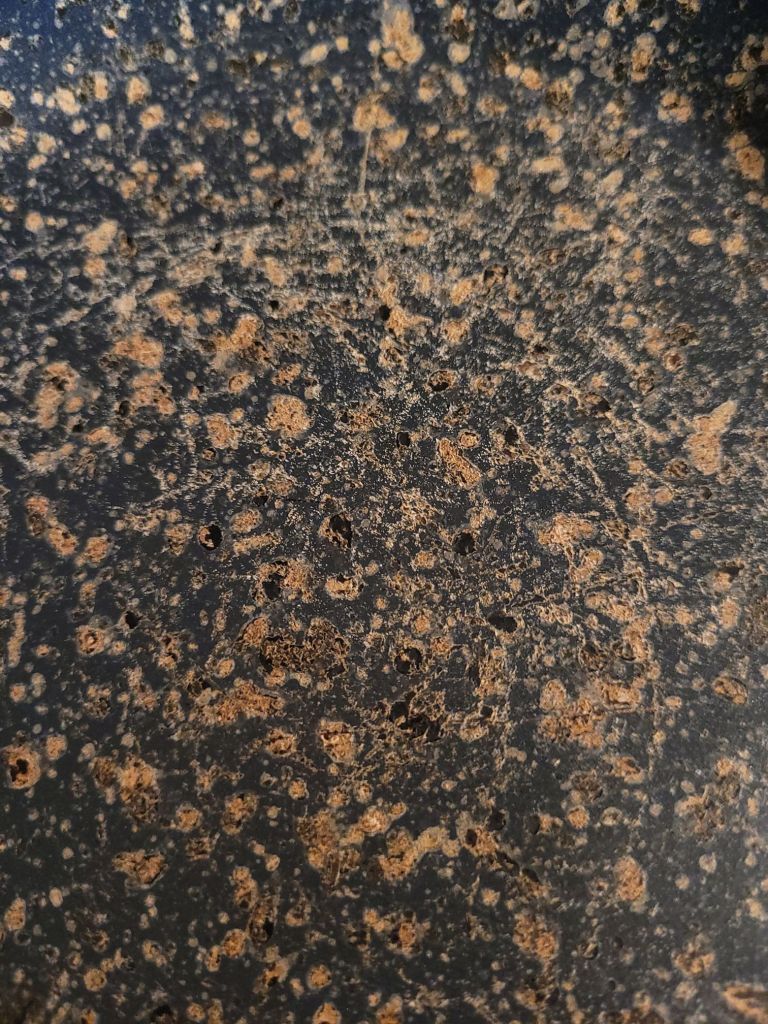
Time has passed, and the surfaces have gotten fuzzy from repeated cleaning… and they’ve been pushed to the back of the cabinet as we have used the cast irons more and more.

But I wonder… what are granite pans made of anyway?

I Googled around and found that they are “not actually made of granite stone, but named for its resemblance to the texture.”

Okay, but what are the pans made of?

Seems there are 2 kinds: Teflon (PTFE) and vitreous enamel.

  • Teflon (PTFE) cookware can release toxic fumes when used at high temperatures. PTFE stands for polytetraflouroethylene.
  • Vitreous enamel cookware is considered safer than Teflon, but chips or cracks in the enamel can allow metal (aluminum) in the pan to leach into food.

For both types, it is recommended that you use soft utensils when cooking and wash them carefully to avoid scratches or pitting.

The Michaelangelo website sells these pans labelled as “100% Toxic-Free — Free of PFAS, PFOA, lead and cadmium.” I sure hope that is true!

Anyway, these are too scratched up. Throwing them away!

Toxic Tagalongs

I hate to be a Debbie Downer, but apparently tea bags are coated in a type of plastic or teflon, which is then heated in the boiling tea water and then goes into our bodies and stays, for years. Ugh. 😵‍💫😵

This is one more source of microplastics that are unfortunately accumulating in our bodies and especially our brains. 🧠 So last week, I started doing things a little differently.

I do have a couple of mesh tea balls, which can hold the contents of a tea bag or loose tea. Generally, the holes are a little too big, and the tea particles go rogue. And to be honest, I have no idea what metal they are made of…

Losing half the tea!

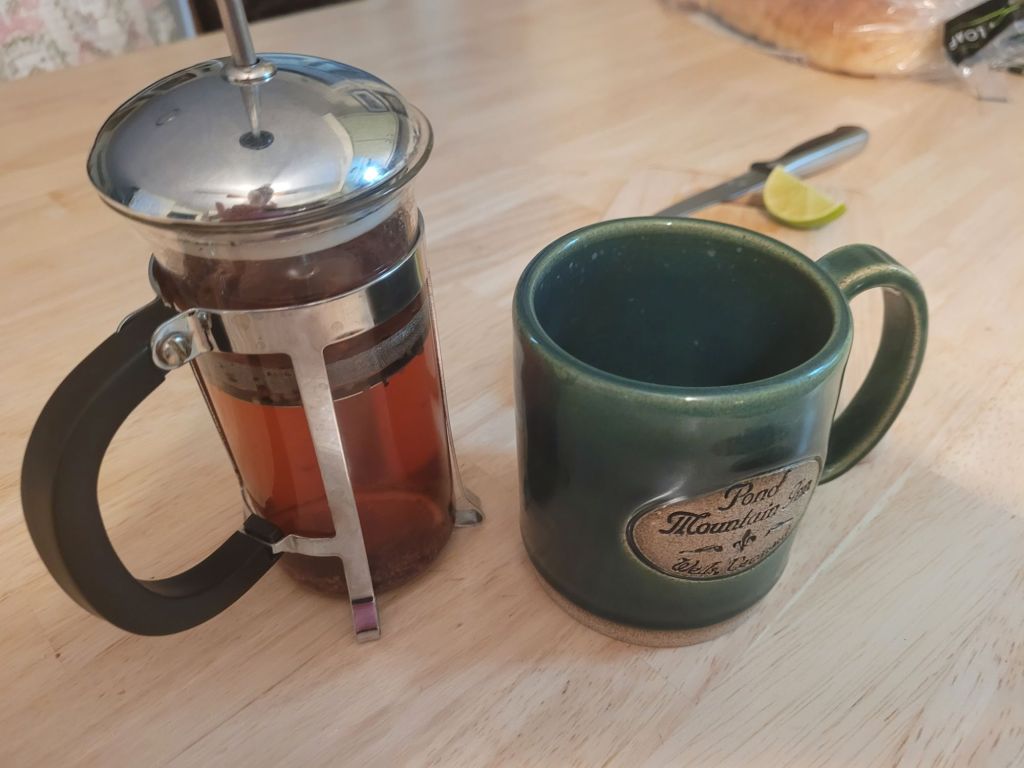
I used a French press to make tea last week, and it worked pretty well. However, some little bits of tea found their way into my mug and then my teeth. Not a big deal… I did like putting lime slices into the press along with my hibiscus tea and pressing them together.

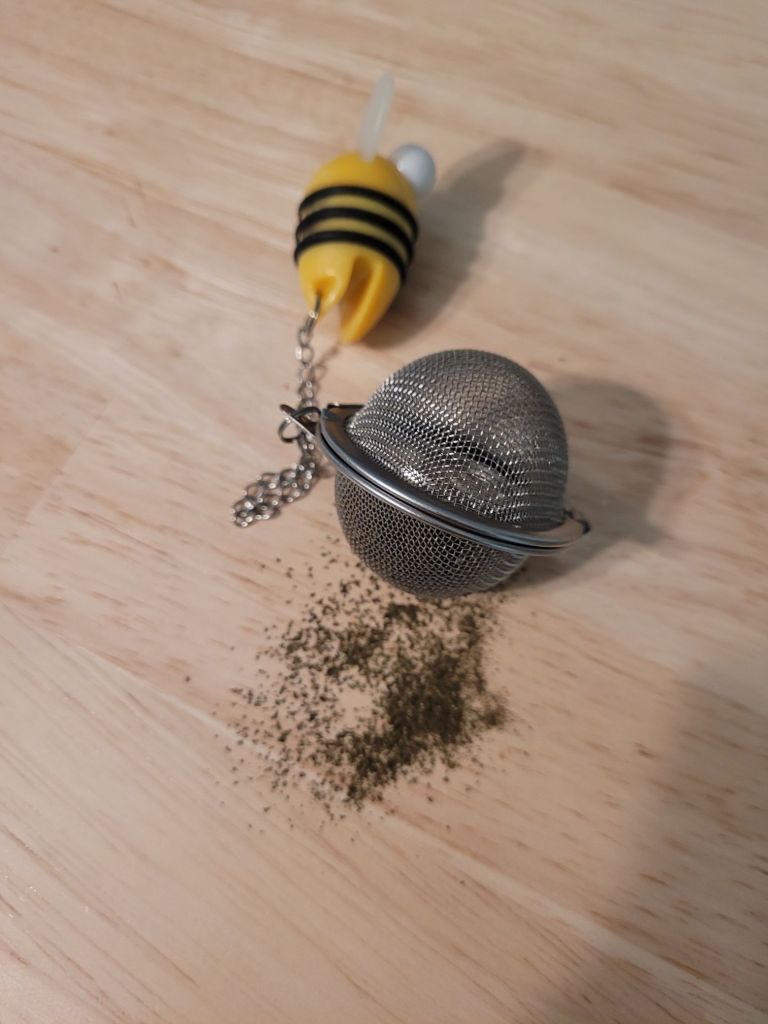
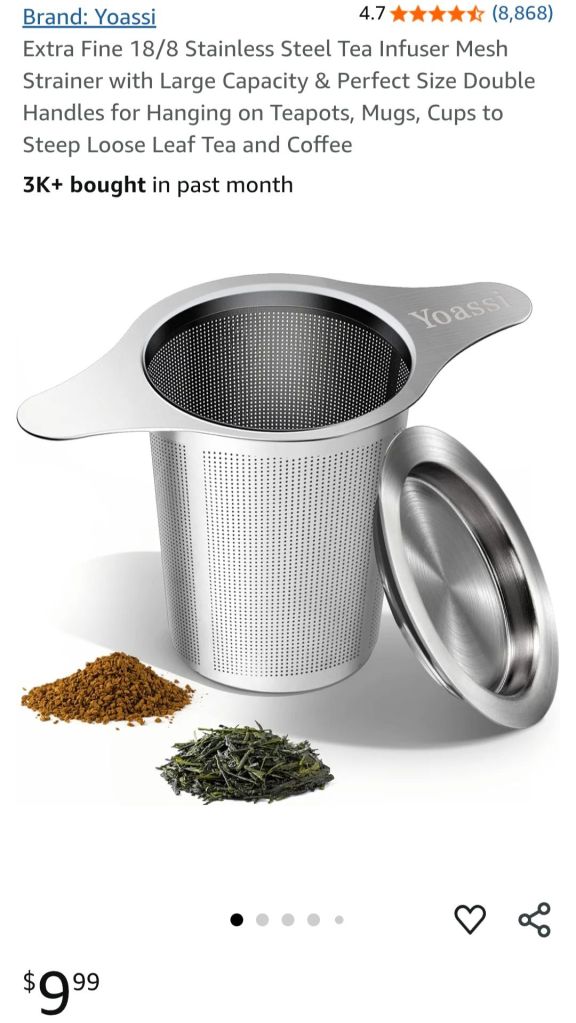
Then my husband found this cool little gadget on Amazon. The holes are crazy tiny and its made from stainless steel:

You empty the tea bag or put loose tea into the cup, put the little cup inside an empty mug, and pour the hot water into/through it. Then, put on the little cap on while your tea steeps.

After a minute or two of steep time, you can use the cap as a coaster when you take it out of the mug.


P.S. Doctor Li talks about microplastics in the video interview I posted recently.

Here’s more research on it: https://pubmed.ncbi.nlm.nih.gov/31552738/

A Good Jar

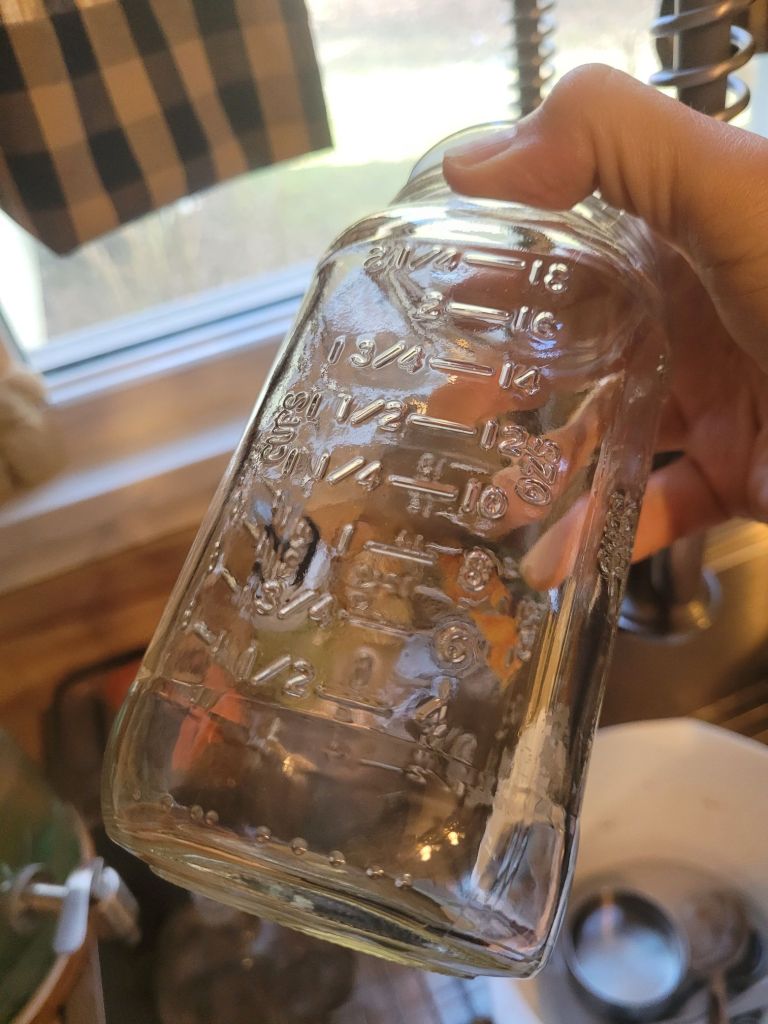
Each time I save a good jar from the recycling bin, I feel a little closer to my elders who went through the depression. I remember those comments… Hey, don’t throw that out. That’s a good jar!

I love how the cabinets and spice rack have changed since I started detoxing my home. Bye bye, plastic! Hello glass, steel & sustainability!

How about you?

Microplastics, pt 2

Found a couple of videos from Dr. Rhonda Patrick to illuminate the problems with and sources of microplastic exposure.

These are long but very worthwhile.

Warning: These are “Eye of Sauron” videos that may overwhelm you. Take breaks! I had to…

Takeaways:

  • Be cautious with your children’s clothing as they are still in development. Avoid polyester and rayon as they do shed micro- and nanoparticles of plastic.
  • Avoid using “moisture wicking” fabrics, especially because they are generally worn when exercising and, therefore, are heating up and stretching, which hastens the breakdown of the fabric.
  • Avoid drinking from plastic water bottles if possible. Be aware that some single-serve metal water bottles will have plastic lining. But of course, drink from these if they’re your only choice.
  • In the kitchen, avoid heating anything made or lined with plastic. That means avoid microwaving or even washing in high temperatures. It’s best to just throw these away and replace them with glass.
  • Avoid situations where vinegars or acidic fruits are used in plastic (to-go salads, etc.) as the vinegar/acid will work the same as heat to break down the plastic and release chemicals.
  • Microwave popcorn bags are lined in BPA, and that is released in the microwave. Avoid!!
  • Aluminum cans are also lined with BPAs, which are forever chemicals, which take years to leave your body.
  • Avoid getting any hot beverage in a to-go cup (plastic-lined). Because these are cheap and flexible, the BPA is released quickly when hot coffee or tea is put in. Carry a reusable mug and ask the barista to use it directly.
  • Throw out any non-stick cooking pans and replace with steel or cast iron.
  • Silicon baking materials are not to be used or trusted.

Explore her videos for more info on health and microplastics… including how to hasten their excretion from the body. Hint: sulforaphane, fibrous diet, etc.

Microplastics

Soooo, yeah, we are eating and inhaling plastic. Little bits are being found in people’s brains… half a percent on average! 😬

Microplastics are even clogging up arteries, adding to obstructive artery problems, heart attacks and the like. Ugh.

Is it a problem? Yes.

Does it have a connection to cancer? Yes.

From what I’ve gathered, it can work in the same way an oyster creates a pearl. A bit of sand finds its way into the oyster, the oyster is irritated, the immune system reacts, and it coats the sand with layer upon layer of mucus or film until the irritating grain of sand is smooth.

In our bodies, foreign items are attacked by our immune system, too. It usually involves redness, swelling (inflammation), and mucus. Because the plastic isn’t going to break down, the immune response continues. This creates a “locus” or location around which cells may stop functioning properly due to prolonged inflammation.

This is why talcum powder causes ovarian cancer.

This is not to even mention the chemicals that leach from the plastic as it accumulates in our bodies, ☠️ ☣️ or leach into our food as we microwave items in plastic or in cheap steamer bags…

So anyway, if you are looking for a resolution today, New Years Day 2025, I recommend going through your kitchen cabinets and throwing out all the plastic, especially the thin stuff that comes from take-out containers.

Only drink from glass, metal, or pottery.

Get rid of any plastic cutting boards, which can break down as they are being used, with little plastic shavings going right into your food.

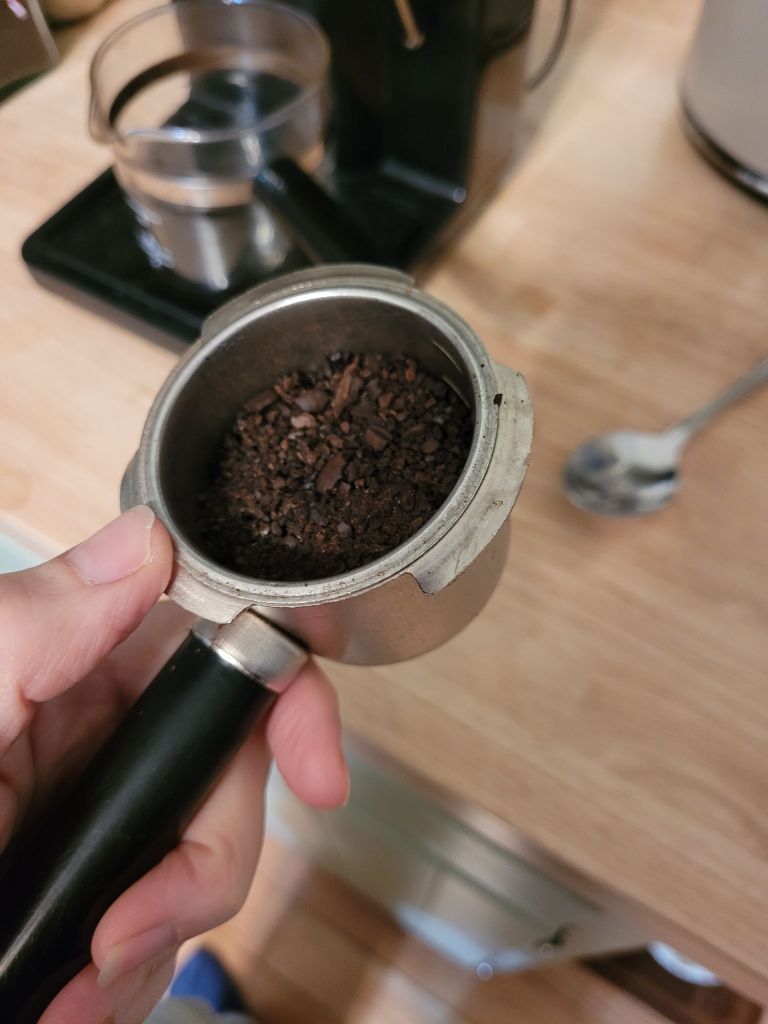
And please, get rid of any coffee maker that brews boiling water through plastic. Those Keurig and Nespresso cartridges are so dangerous!! I’m sure you can find an after-Christmas sale on a French press or a coffee maker with a steel grounds holder.

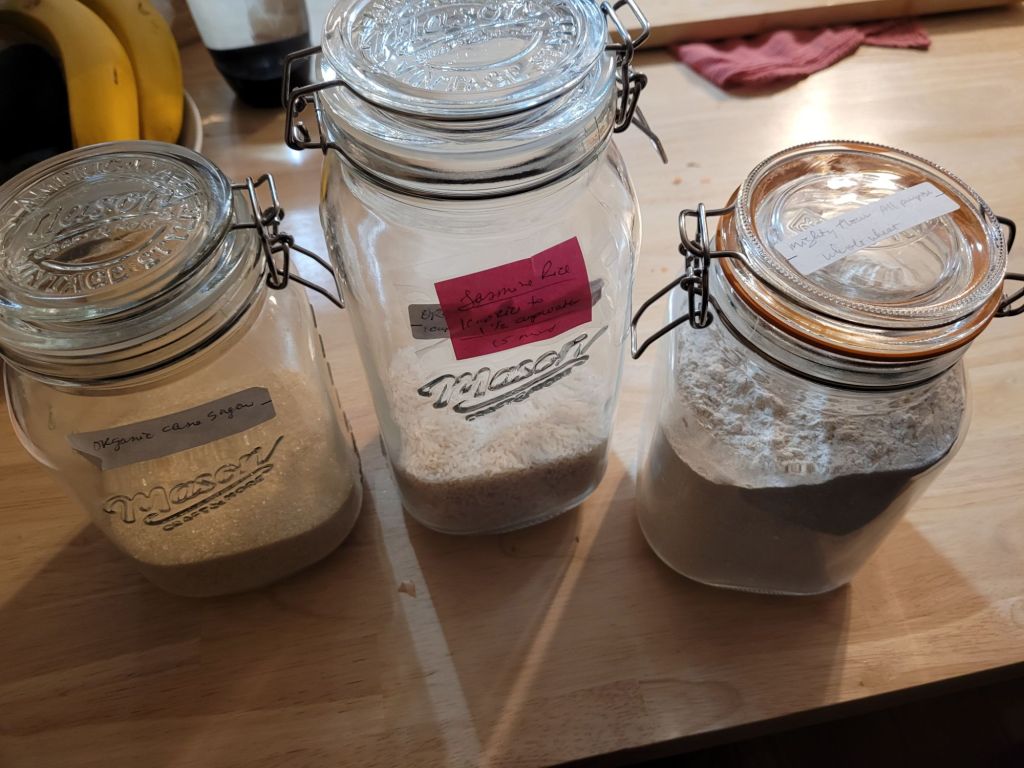
Storage containers and canisters should be changed out for glass. It’s healthier and looks good too.

A lot of food, even organic food, is sold in plastic. So, when you get home from the grocery store, spend time moving the food to glass storage, rather than leaving it in the original plastic.

Little steps. Let’s all take these little steps in the new year for our health, and for our families.

👣

Black Plastic Kitchen Utensils

“…new research shows that many types of black plastics contain harmful flame retardants that shouldn’t be coming into contact with food.”

We all had them… just make sure you don’t have them anymore:

https://www.foodnetwork.com/healthyeats/news/throw-away-black-takeout-container-kitchen-utensils

The article also says to just throw them away… don’t recycle. Remove them from the cycle. Thank you!

Dishwashing

When we first stopped using Cascade and other traditional dishwashing detergent, we tried a recipe that called for baking soda, vinegar, and a little Dawn liquid.

It didn’t work so well, and our dishes came out very chalky.

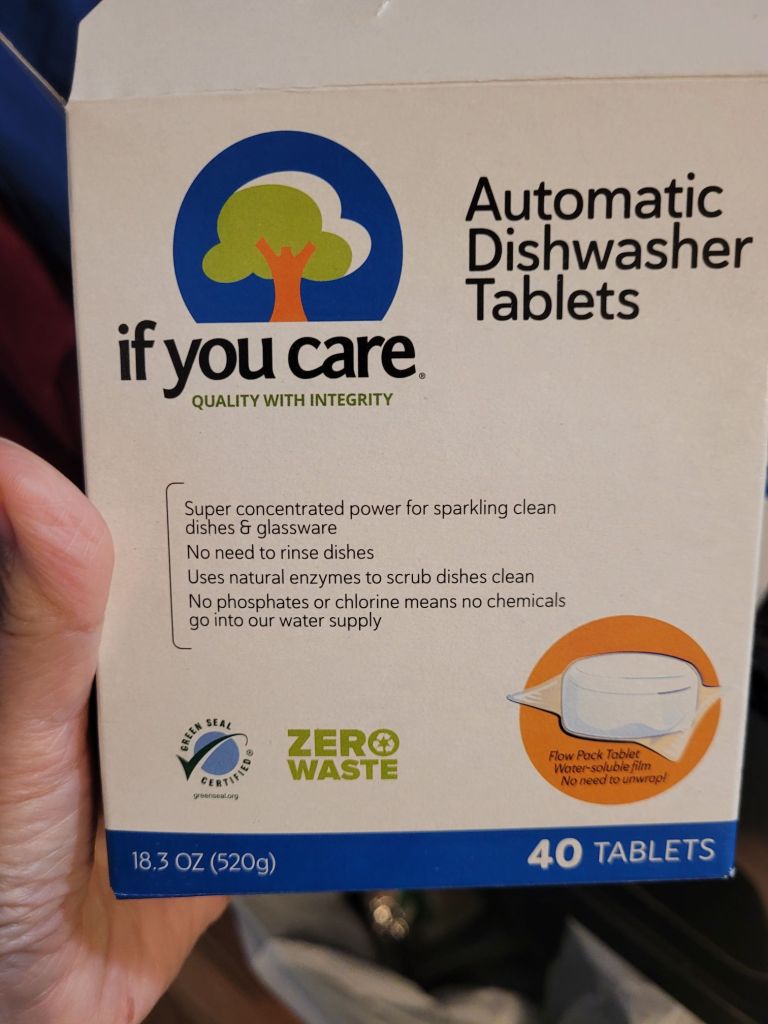
I tried this brand and have been really pleased. They do a good job. The wrapping is water-soluble and doesn’t leave microplastic residue. I recommend them!