Yesterday, the FDA banned Red 3 from foods and medicines.
While this is technically a good thing, its more of a baby step / half measure in the move toward a healthier society…
Why?
Red dye 3 was banned from cosmetic products 35 years ago because of its link to cancer. 35 years!!!
There are thousands of other additives that are just as toxic that are still being used in many foods, medicines, and other products. Most of these are banned in other countries.
This particular ban gives companies TWO YEARS to reformulate the food products. A lot can happen (or be reversed or forgotten about) in two years.
This ban gives pharmaceutical companies THREE YEARS to comply! Are you kidding???
It solves 0.01% of the problem with untested food additives.
The best thing this ban can do is simply awaken the consumer to the problem and lead them to change what they buy andeat.
This guy is a great source of food information. He does videos on YouTube and has a great social media presence! He’ll even teach you how to make your own ketchup to avoid buying junk.
Soooo, yeah, we are eating and inhaling plastic. Little bits are being found in people’s brains… half a percent on average! 😬
Microplastics are even clogging up arteries, adding to obstructive artery problems, heart attacks and the like. Ugh.
Is it a problem? Yes.
Does it have a connection to cancer? Yes.
From what I’ve gathered, it can work in the same way an oyster creates a pearl. A bit of sand finds its way into the oyster, the oyster is irritated, the immune system reacts, and it coats the sand with layer upon layer of mucus or film until the irritating grain of sand is smooth.
In our bodies, foreign items are attacked by our immune system, too. It usually involves redness, swelling (inflammation), and mucus. Because the plastic isn’t going to break down, the immune response continues. This creates a “locus” or location around which cells may stop functioning properly due to prolonged inflammation.
This is why talcum powder causes ovarian cancer.
This is not to even mention the chemicals that leach from the plastic as it accumulates in our bodies, ☠️ ☣️ or leach into our food as we microwave items in plastic or in cheap steamer bags…
So anyway, if you are looking for a resolution today, New Years Day 2025, I recommend going through your kitchen cabinets and throwing out all the plastic, especially the thin stuff that comes from take-out containers.
Only drink from glass, metal, or pottery.
Get rid of any plastic cutting boards, which can break down as they are being used, with little plastic shavings going right into your food.
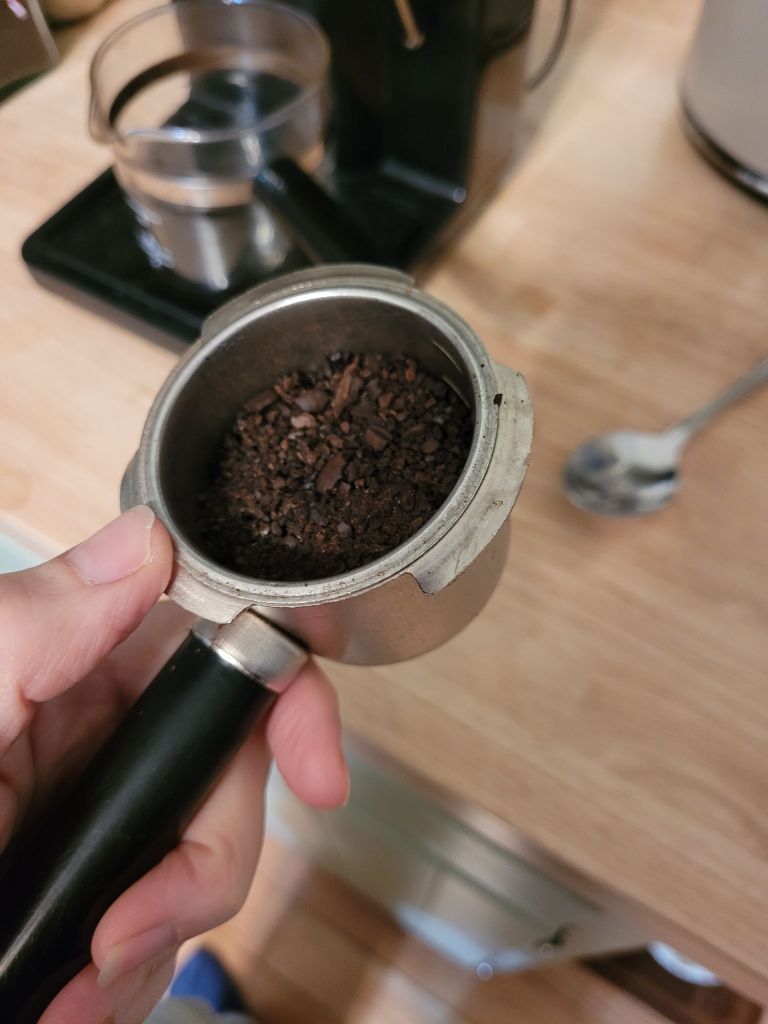
And please, get rid of any coffee maker that brews boiling water through plastic. Those Keurig and Nespresso cartridges are so dangerous!! I’m sure you can find an after-Christmas sale on a French press or a coffee maker with a steel grounds holder.
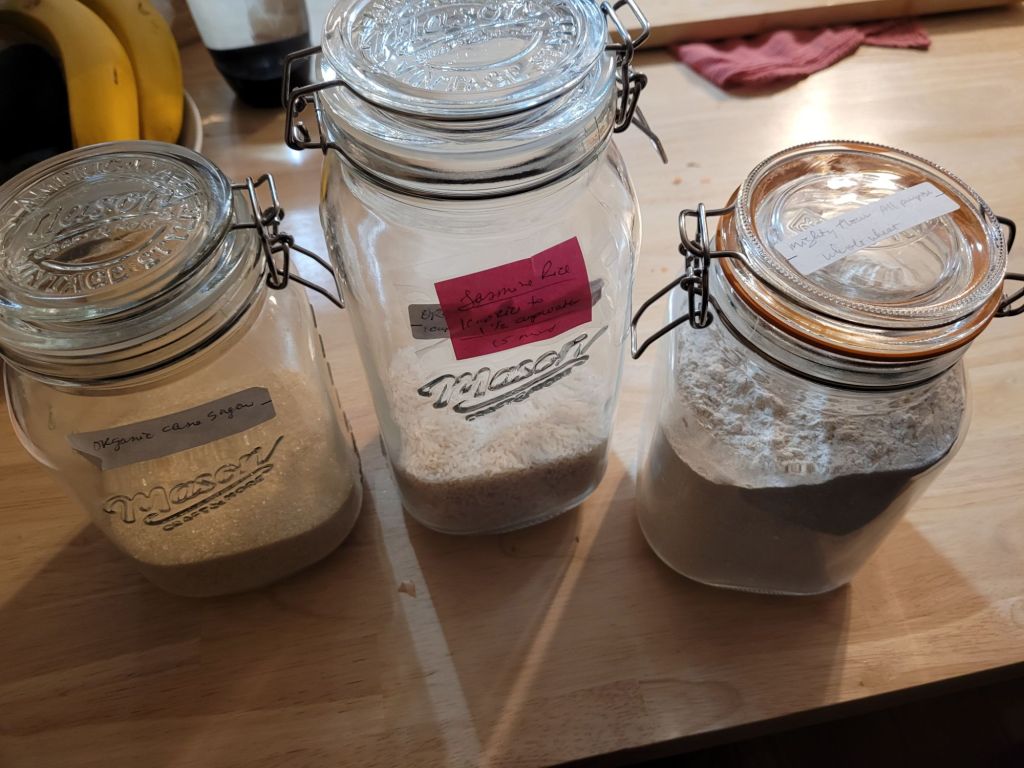
Storage containers and canisters should be changed out for glass. It’s healthier and looks good too.
A lot of food, even organic food, is sold in plastic. So, when you get home from the grocery store, spend time moving the food to glass storage, rather than leaving it in the original plastic.
Little steps. Let’s all take these little steps in the new year for our health, and for our families.
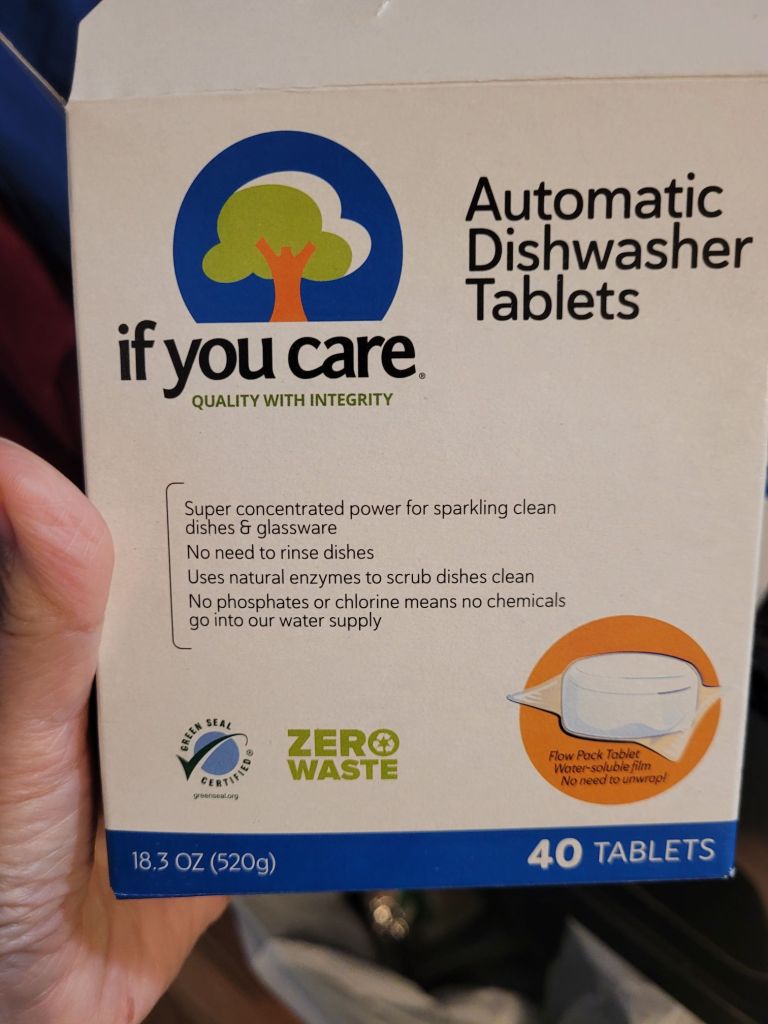
When we first stopped using Cascade and other traditional dishwashing detergent, we tried a recipe that called for baking soda, vinegar, and a little Dawn liquid.
It didn’t work so well, and our dishes came out very chalky.
I tried this brand and have been really pleased. They do a good job. The wrapping is water-soluble and doesn’t leave microplastic residue. I recommend them!
These are the notes I took while reading Good Energy and watching Dr. Casey Means discuss her new plan for optimally healthy meals.
She (and many other doctors and nutritionists) wants us to ditch the food pyramid, which pushed carbs as the staple food, and move to something like this 5-slice pie above.
If we could design each meal to include one element from each section, we would be healthier in terms of our mitochondrial function.
I put it on the fridge so I see it every day, at every meal.
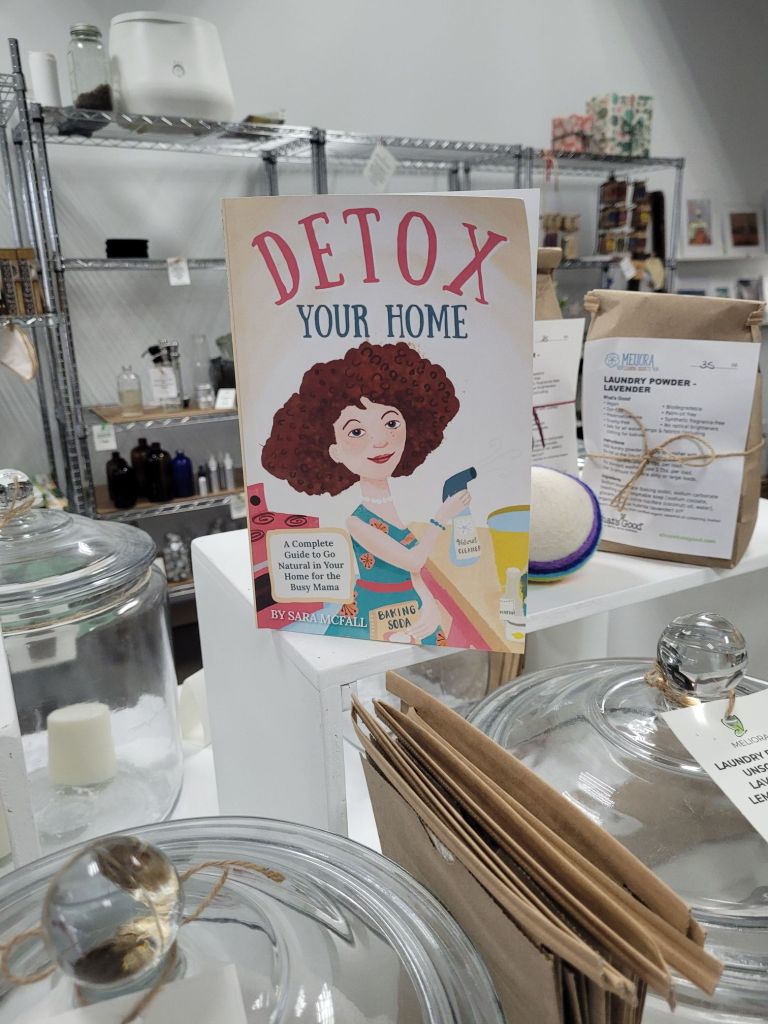
On Saturday, I do my errands and, more and more, I’m returning to a great little store called “What’s Good.”
They offer a variety of non-toxic or very low toxic products, which totally align with my goals now.
I’m regularly buying laundry detergent and dishwasher tablets from them, plus the bar shampoo and conditioner. Today I got some beeswax wraps to re-use rather than foil, saran, or waxpaper.
They’ve got great gifts for kids and adults, rings made from seaglass, composting books, native seeds, etc. They host events and speakers and keep the community informed on environmental topics.
They encourage people to bring glass jars and just refill them for items like hand soap, dishwasher soap, etc.
I encourage you to look in your own area for a shop like this, and then, of course, support them!
An election is right around the corner, but you know, voting is really an everyday thing.
Every day in this country, we vote with our dollars as we shop and purchase items.
The restaurant with crummy food gets voted out of office. The restaurant with great food and service grows and expands.
Every item at the store is competing for shelf space. So when it’s little barcode or UPC symbol gets beeped at the checkout, the stocking software is updated. New orders are electronically placed. It’s like magic.
Help me vote for healthy foods and products. Thank you!
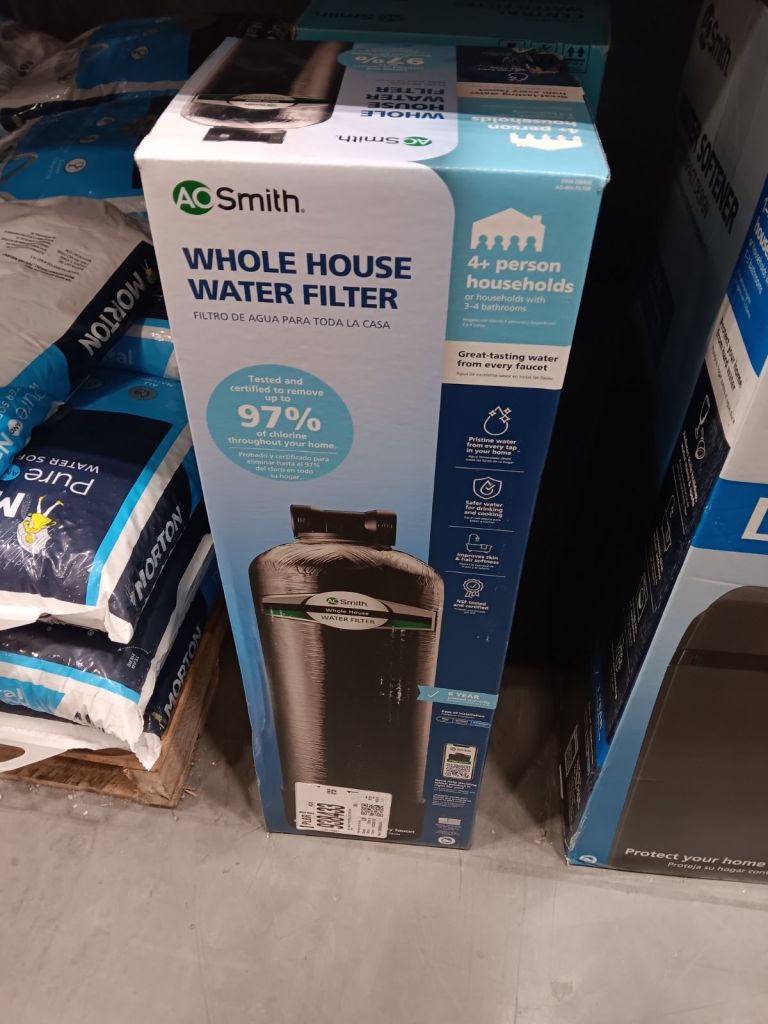
Looked into various water filters today at Lowe’s. Found the small ones for one single faucet, but also found this whole home system for $339.
Ok, that’s more expensive than the single faucet systems, and it would need to be installed between the main water line and the hot water heater by a professional, which could cost a bit, BUT it filters for the entire house. And you change the charcoal only once for each 6 years (assuming a 4-person household).
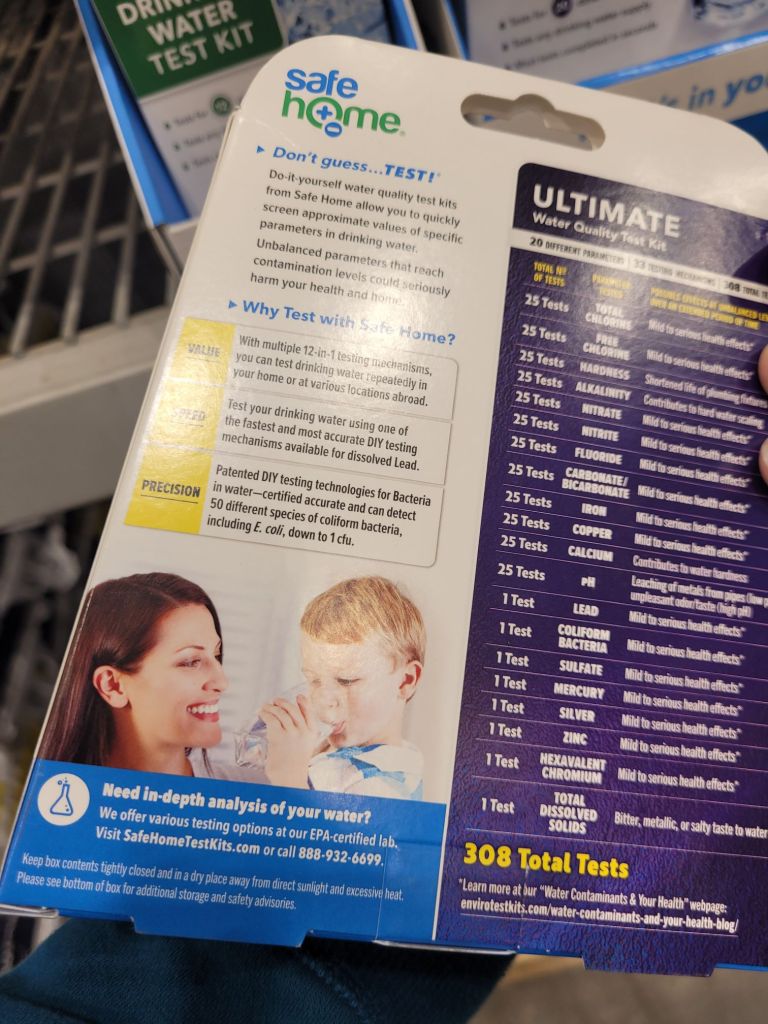
Lowe’s also has some DIY water testing kits. Though neither the basic kit ($13) nor the ultimate kit ($29) includes a test for glyphosate, it does cover quite a few other types of chemicals and contaminants.
I like these tests because you don’t send them off to the lab. You actually just get the results immediately using a litmus-type strip.



 The Cancer Canary