This video is already three years old, but worth a watch:
The Warburg Effect is the basis of the research into the new(ish) theories around treating cancer as a metabolic disease, as well as much of the research on fasting and its benefits.
This video is already three years old, but worth a watch:
The Warburg Effect is the basis of the research into the new(ish) theories around treating cancer as a metabolic disease, as well as much of the research on fasting and its benefits.
I’ve been reading this book for a few months now.
Since my job is somewhat reading-intensive, I usually opt out of reading on weeknights.
Since my job is also rather sedentary, I opt out of reading much on the weekends.
So, it’s taking a long time to get through it.
There are also some very heavy topics here, and sometimes I just have to rest.
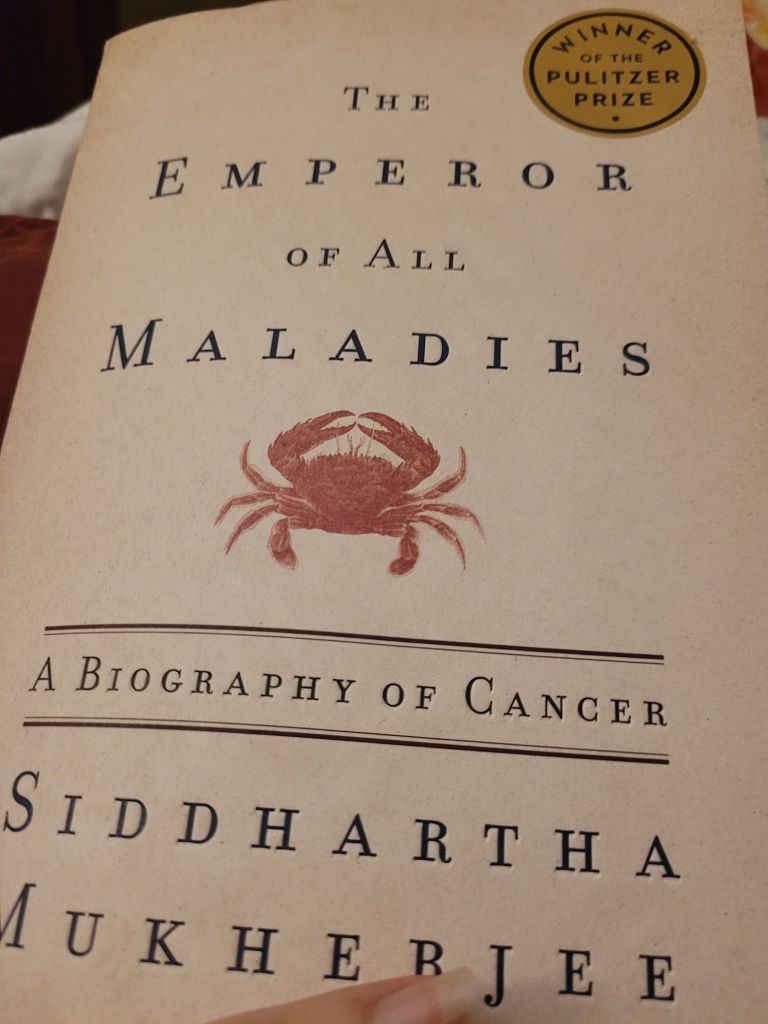
The other day, I got a notice from the library saying that a book I had put on hold was now ready for me. It was this very book! I laughed a bit. Then I looked a little closer and saw that it was an audio book. Oh yeah! I forgot!
So this evening, I’m on my rebounder AND reading. 😊 📖
The Emperor of All Maladies is the history of our struggle against cancer… to recognize, categorize, and organize against it.
It’s the story of Sydney Farber and many doctors who came since, each with their own focus and theories.
It’s the story of men and women who attack the problem with enthusiasm and tenacity, who often meet with scorn and disapproval… until the evidence they find is too great to be ignored.
It’s the story of thinkers who become obsessed and push their research too far, are sometimes demoted or fired. But regardless, their research had a lasting impact.
It’s a story where trials have promising results, but turn out to be misleading due to bias, or fraud.
It’s a story of public communications, advertising, and fundraising.
It’s the story of those who experiment on themselves.
It’s a timeline of assumptions that are accepted for decades… and then proven false.
It’s a story where “anecdotal” evidence is laughed at, then studied, then blocked for decades from reaching the ears of the common man, who continues consuming the dangerous product.
It’s very long, and since it was published in 2010, it does not contain a lot of new research and therapies. But still, I highly recommend reading it.
Siddhartha Mukherjee, the doctor who wrote it, is very insightful and also a great writer.
I recommend Mukherjee’s book The Song of the Cell to anyone trying to get a handle on all the amazing activities carried out inside us. It is really fascinating stuff!
And also, I recommend this article (which comes with an audio option) on how sometimes the beginnings of cancer (oncogenesis) is caused by more than one factor: https://www.newyorker.com/magazine/2023/12/18/all-the-carcinogens-we-cannot-see
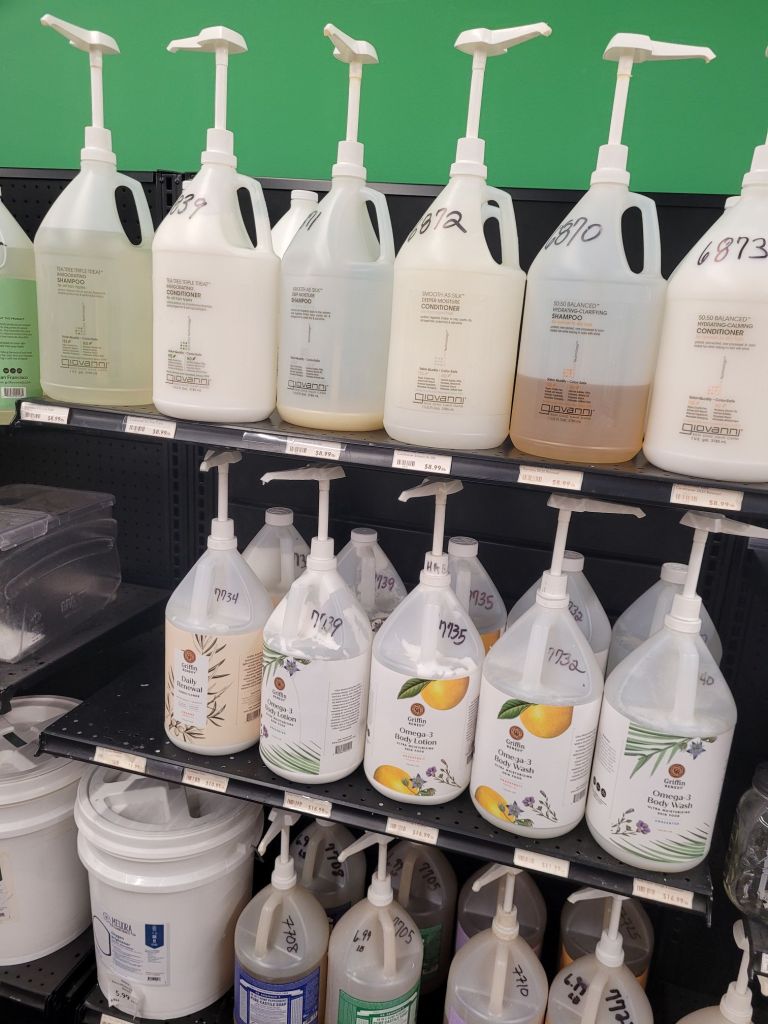
We recently found out about a local grocery co-op that carries only healthy whole foods. Our daughter bought us a share as a Christmas gift. 🎄 🎁
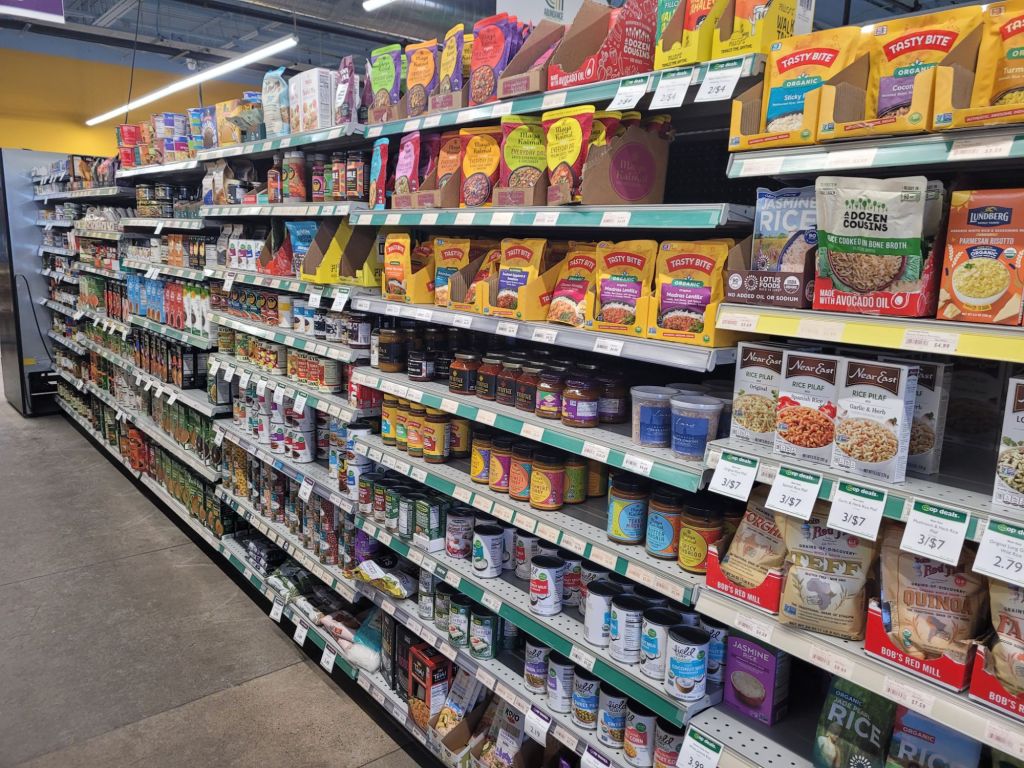
I’ve been three times so far, and my husband Jimmy came along this last time. We are really happy with the foods available!
The co-op carries produce from my farmers’ market connections, including Botanical Ben’s mushrooms and veggie sprouts.
They carry a lot of bulk products and encourage folks to simply bring their own jars.
Abundance Food Co-Op
Stumbled across some great resources lately and I wanted to share them here. Thse were all serendipitous…
This doctor has a YouTube channel and provides very down-to-earth advice on how to stay healthy and avoid cancer. Check her out!
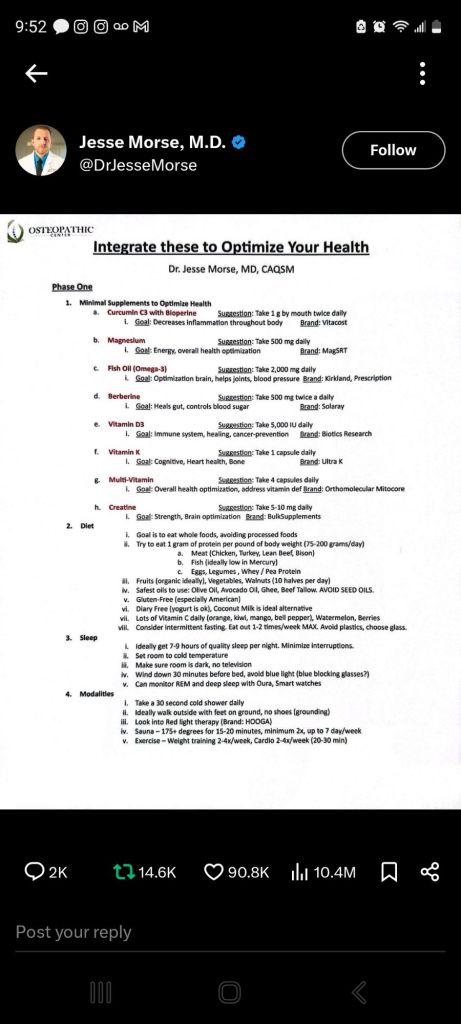
This doctor popped up in my Twitter feed, and I don’t know much about him, but WOW, I wish my doctor was handing out a sheet like this to his patients, including the healthy ones.
I have already incorporated a lot of these into my daily/weekly routines over the last year, and it’s great to have those ideas reinforced by a doctor.
The “seek” button on my car radio pulled up this radio show/podcast, which looks interesting. I happened upon their report of the Dirty Dozen and the Clean Fifteen:
https://loe.org/shows/segments.html?programID=25-P13-00004&segmentID=4
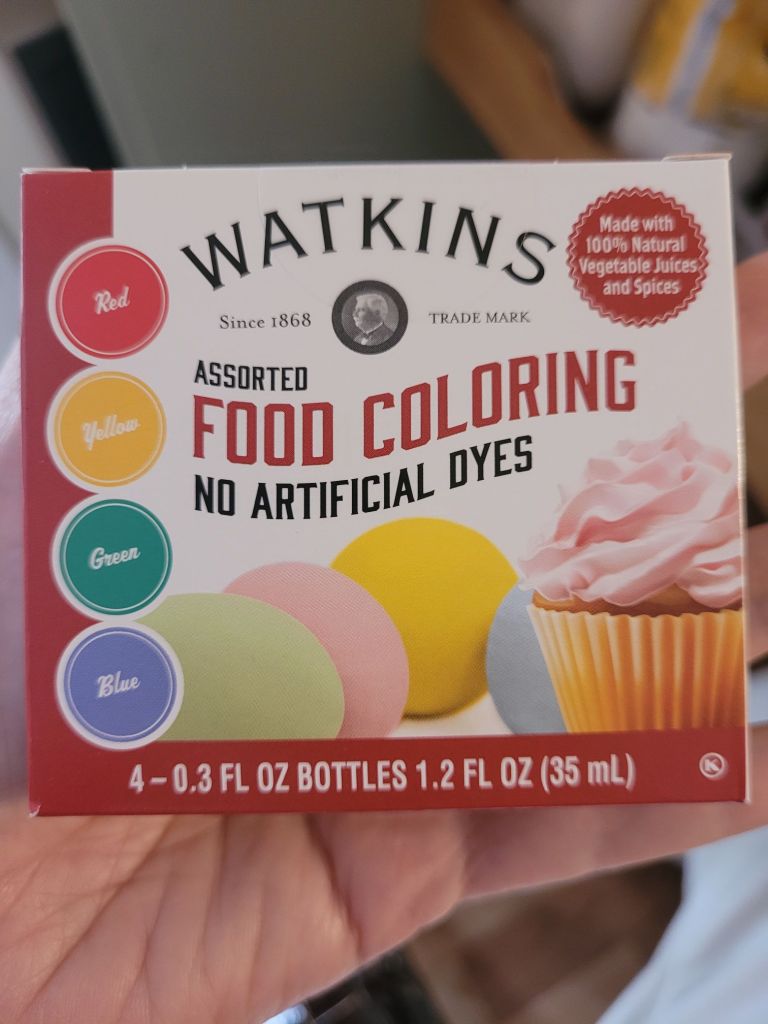
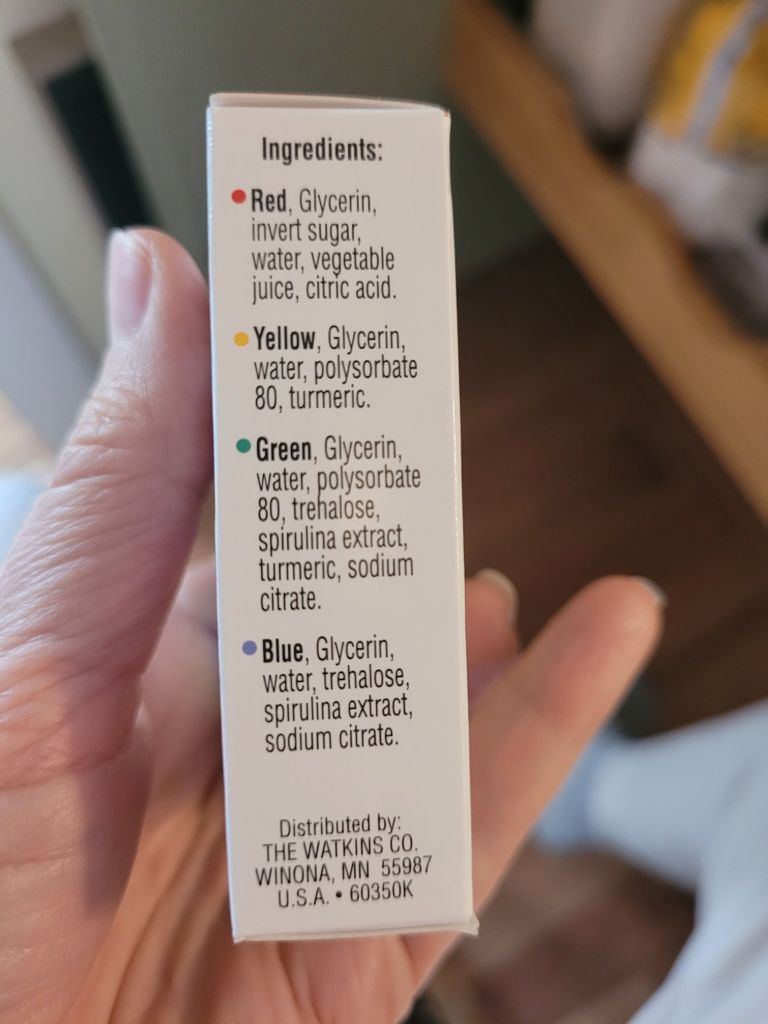
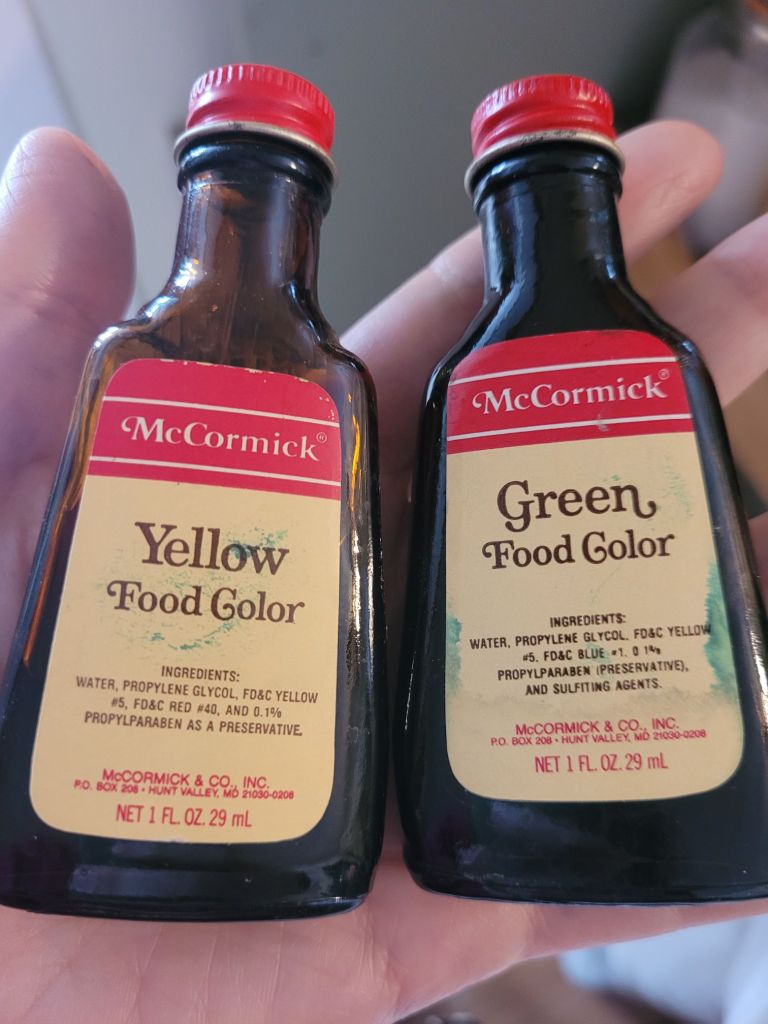
Christmas has come and gone, and yes, we did make cookies. Knowing that food dyes are linked to cancer, I went out in search of non-toxic alternatives.
I didn’t find any in the local stores. I did find them online, but after exhausting local options and then returning to my search bar, I found them out of stock.
Does that mean that other folks are looking for non-toxic alternatives? 🤔 I hope so!
So this year, we went without. Our cookies were the color of our non-GMO organic flour, and the frosting was transparent. And we loved them anyway (though it was hard to tell the lemon cookies from the almond ones).
This weekend, I found the colors I was searching for at the Abundance Co-op. My daughter gave me a share & membership for Christmas.
Fun Fact: The old dyes in my cupboard actually have a resale market! At least the brown glass bottles do. I found them online today priced between $10 and $25 per bottle. Huh!
Yesterday, the FDA banned Red 3 from foods and medicines.
While this is technically a good thing, its more of a baby step / half measure in the move toward a healthier society…
Why?
The best thing this ban can do is simply awaken the consumer to the problem and lead them to change what they buy and eat.
Dear Lord, please protect this man. 🙏 amen!
For 99% of my life, I’ve used either the Good Seasons spice packet or the Aldi knock-off to make my dressing with red wine vinegar, high quality olive oil, and a little bit of water.
The spice packets are both delicious and easy to mix in the Good Seasons bottle (you know what I’m talking about).
Recently, though, I scanned the Aldi and Good Seasons packet with the Yuka app. Both scored 18 out of 100… yuck!
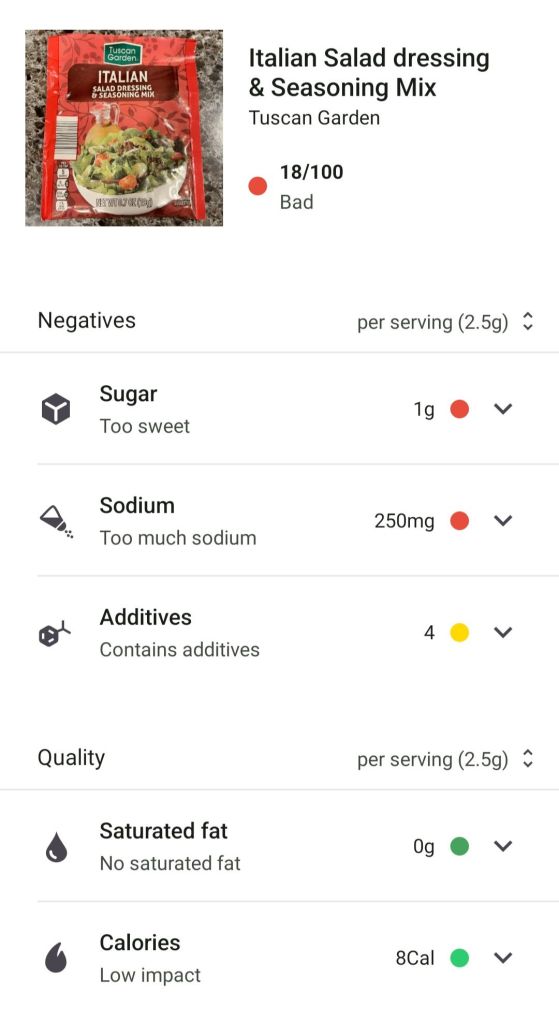
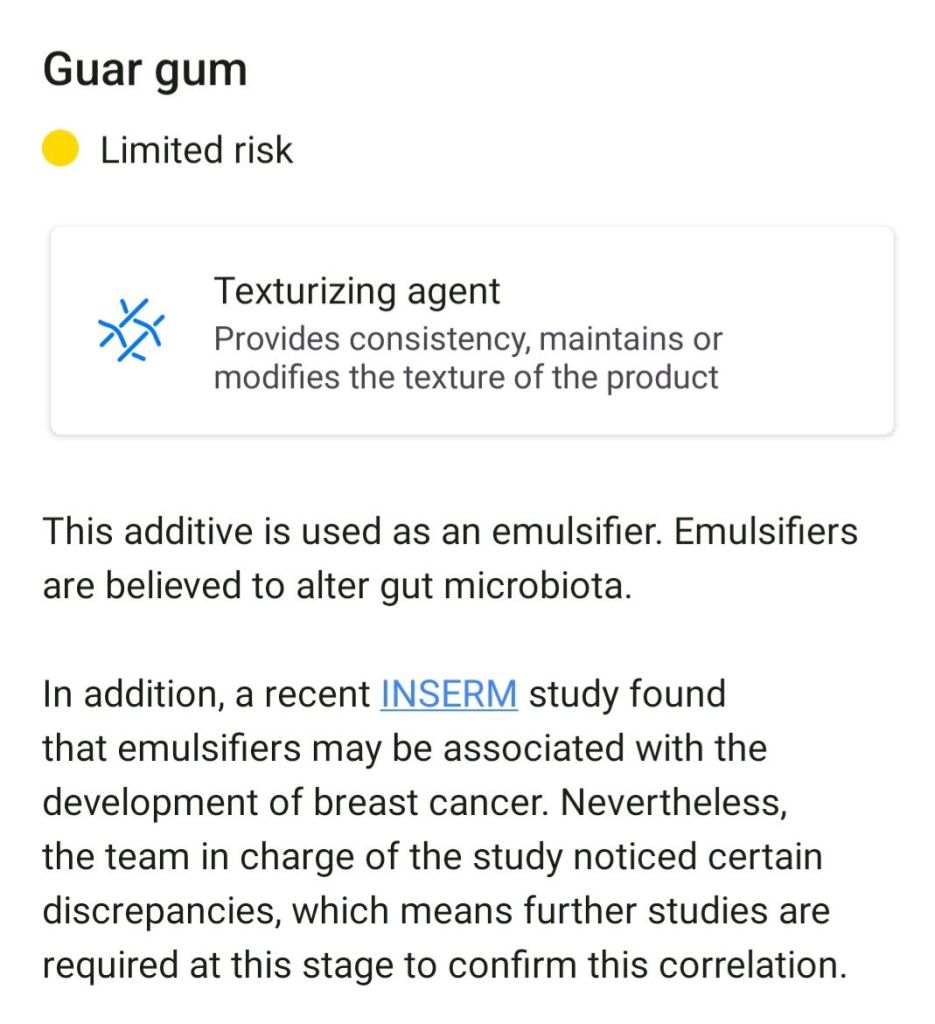
Both of the additives flagged “may be associated with” development of breast cancer.
It’s just a spice packet, though. How hard could it be to make it from scratch?
I decided to make my own. I used a big jar and mixed up a bunch, so it’s ready whenever I need it.
Copycat Salad Dressing Spice Mix
Put it all in a jar.
When you want to make the dressing, mix:
Bon appetit!
Update: Great article from the Environmental Working Group:
Salads are so healthy, and I am lucky to have had them throughout my life as a regular part of the dinner meal, whether at my childhood home or my grandparents’ house.
It’s a tradition that my husband and I have kept going and one that I hope lives on as our kids make their own homes.
🥗
It was one of the first things I helped with as a child (one step up from setting the table). My Mom would tell me that a “true chef would never cut lettuce leaves with a knife” and would instead tear them gently. I’m not sure if that’s true, but it sounds right.
I’m sure she just didn’t want any little kids wielding a knife in her kitchen, lol.
Those salads usually included iceberg lettuce, tomatoes, and celery with a simple vinegar and oil dressing. Sometimes, we got fancy and added black olives or Spanish (manzanilla) olives.
And we always had the salad as the final course… the logic was that the roughage (fiber) and vinegar would escort all the other stuff from the night’s dinner through the system and do some clean-up work in the intestines.
Yes, we talked about this at the dinner table when I was too young to use a knife.
When we went to my grandparents’ house, the salad was similar but often included half an avocado. If half an avocado doesn’t sound like much to you, well… you must not have spent time in Florida prior to Hurricane Andrew. Those old style “Tampa avocados” were as big as a football.
If I had a time machine… that’s what I’d go get…
These days, I like to get fancy with my salads. I usually start with Romaine lettuce and tomato. Those are the basis.
To that, I add whatever we have, including fresh spinach, a shredded carrot, artichokes in vinegar, olives of any kind or a scoop of muffaletta, slices of sweet peppers, diced onion, mushrooms, cucumber, avocado, thinly sliced purple cabbage, celery, cheese (Feta or parmesagn), and any kind of sprout (broccoli, radish, alfalfa, etc.).
Sometimes, I throw in apple chunks, pear slices, or orange sections. Sometimes, we throw in sunflower seeds or crushed pistachios or cashews.
In the summer, I like to find new types of lettuce and new varieties of tomatoes at the farmers’ market.
My Nani had a trick where she would cut into a garlic clove and rub it on the inside of the bowl prior to adding any ingredients. I always seem to remember the trick too late. 😕
Lately, I’ve been moving my salad to the beginning of the meal, rather than the end. This is because of the hacks I recently learned to lower blood glucose levels.
Here’s the details on that, from the Glucose Goddess, Jessie Inchauspé who I hear just got her own TV show!!! 🙌
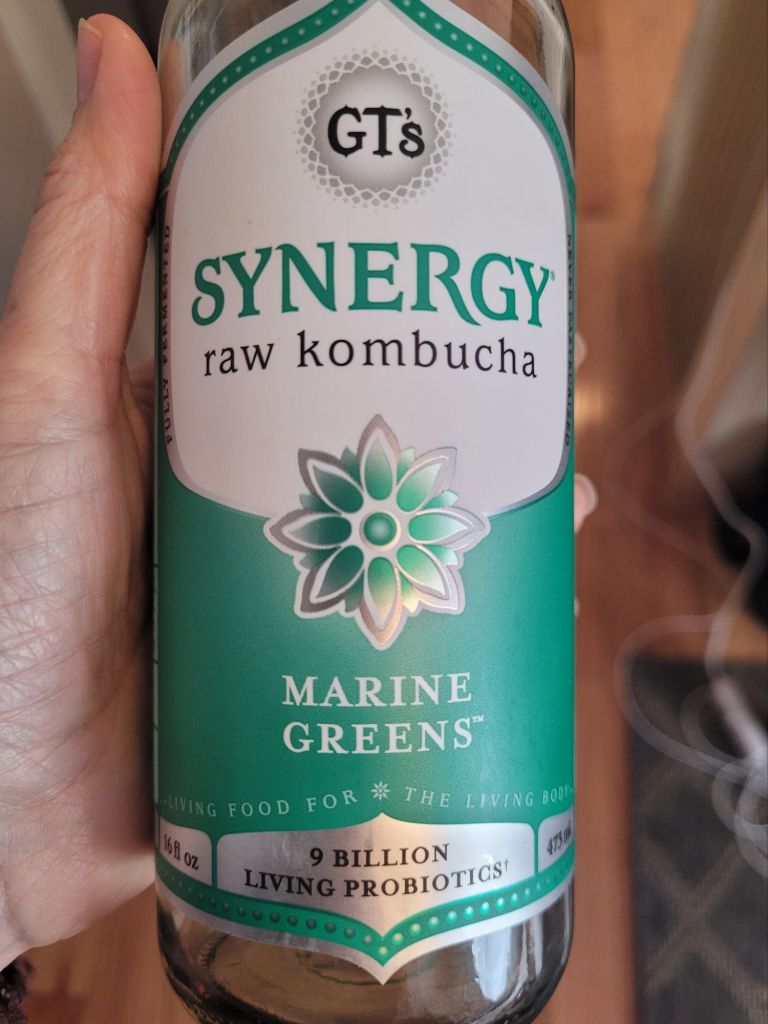
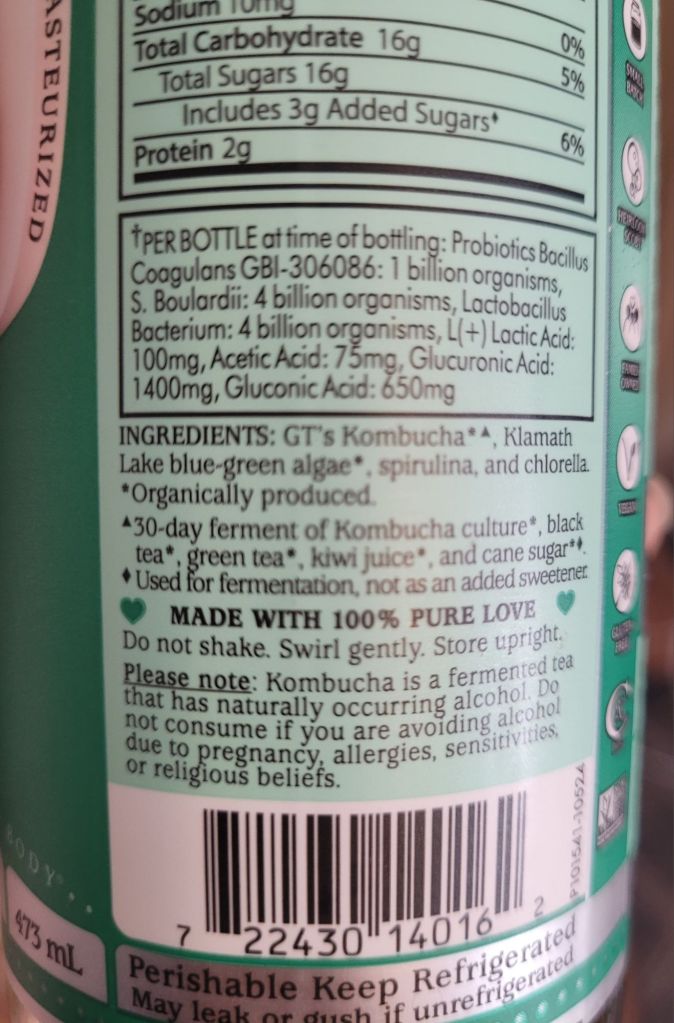
I really enjoyed this new (to me) variety of kombucha from Synergy and wanted to share. It’s made from algae!
I recommend this brand in particular because of their high quality, low sugar content, and varieties of ingredients.
 The Cancer Canary