Lettuce Be Friends

Knock knock.

Who’s there?

Lettuce.

Lettuce who?

Lettuce be friends.

I think I read that on a Valentine’s Day card… probably in grade school.

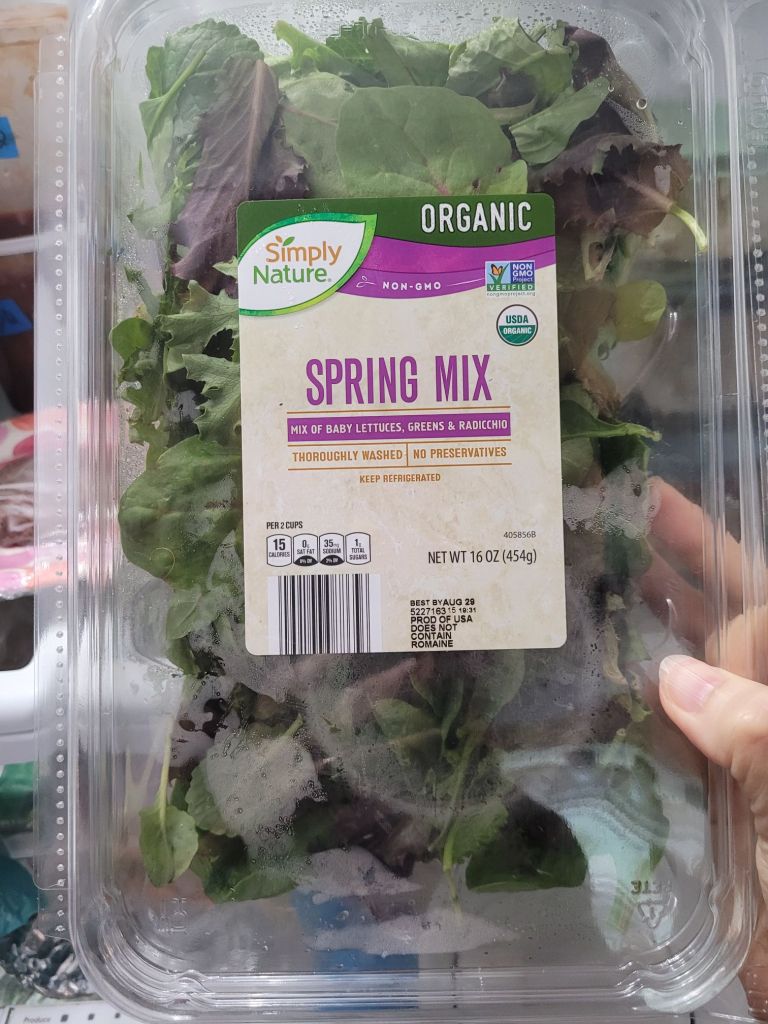
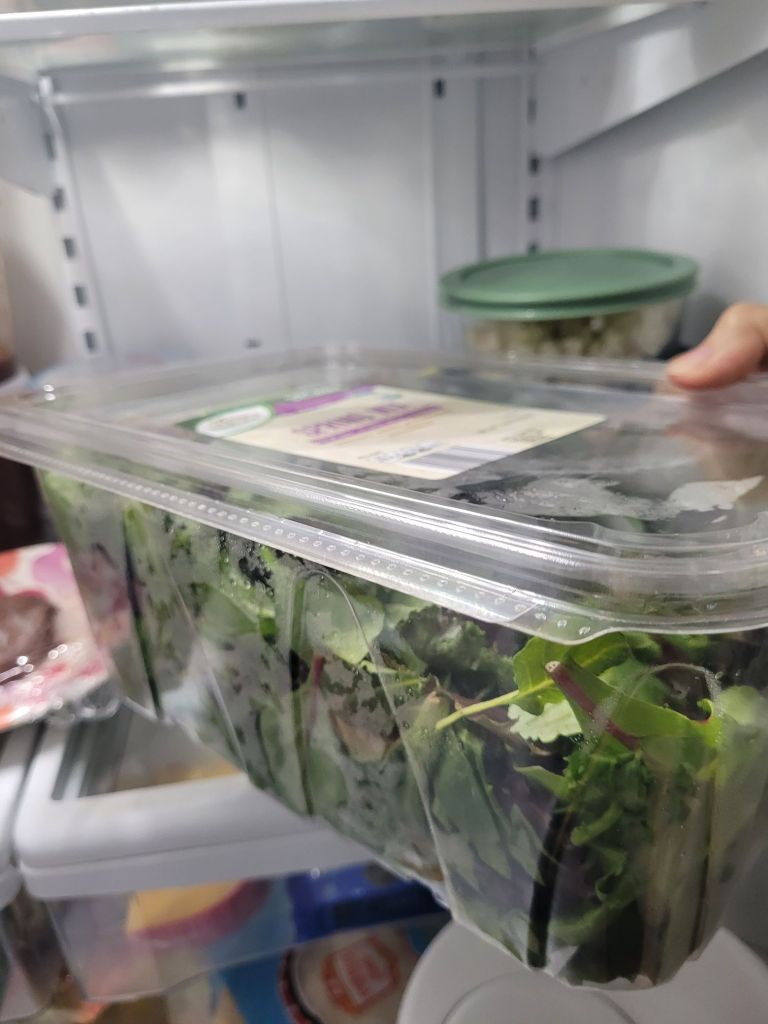
Anyway, friends, I wanted to share this awesome organic lettuce we’ve been buying from Aldi.

The box is crammed with organic lettuce varieties like red and green leaf lettuce, red and green oak, red and green chard, Lolla Rosa, tango, spinach, arugula, beet greens, frisee, radicchio, mizuna, kale, red mustard greens, tatsoi, and collards. I’ve never even heard of some of these.

It’s prewashed, and its a full pound.

It’s a good deal, though I can’t tell you the exact price I paid. #worthit

Poopy Love Story (and Another Biome Breakthrough)

This is the most charming love story ❤️. Imagine falling in love with someone who is suffering (and I mean that in the true sense of the word “suffering”) from bipolar disorder and bouts of psychosis, doing research on your own to find a possible solution, experimenting and then finding a durable cure. Imagine that!

And it all comes down to poo 💩.

It is truly fascinating, and I urge you to watch for yourself:

Another Biome Breakthrough!

Check out this amazing research from the University of Florida and Trinity College Dublin:

https://www.sciencedaily.com/releases/2025/08/250821004244.htm

Queuosine is a rare micronutrient crucial for brain health, memory, stress response, and cancer defense. It is “a vitamin-like micronutrient that we can’t make ourselves but can only get from food and our gut bacteria.”

“For over 30 years, scientists have suspected that there had to be a transporter for this nutrient, but no one could find it,” said Valérie de Crécy-Lagard, a UF/IFAS microbiology and cell science distinguished professor and department associate chair, as well as one of the study’s principal investigators. “We’ve been hunting for it for a long time. This discovery opens up a whole new chapter in understanding how the microbiome and our diet can influence the translation of our genes.”

Very iteresting! We are starting to map the microbiota.

We Can Pickle That!

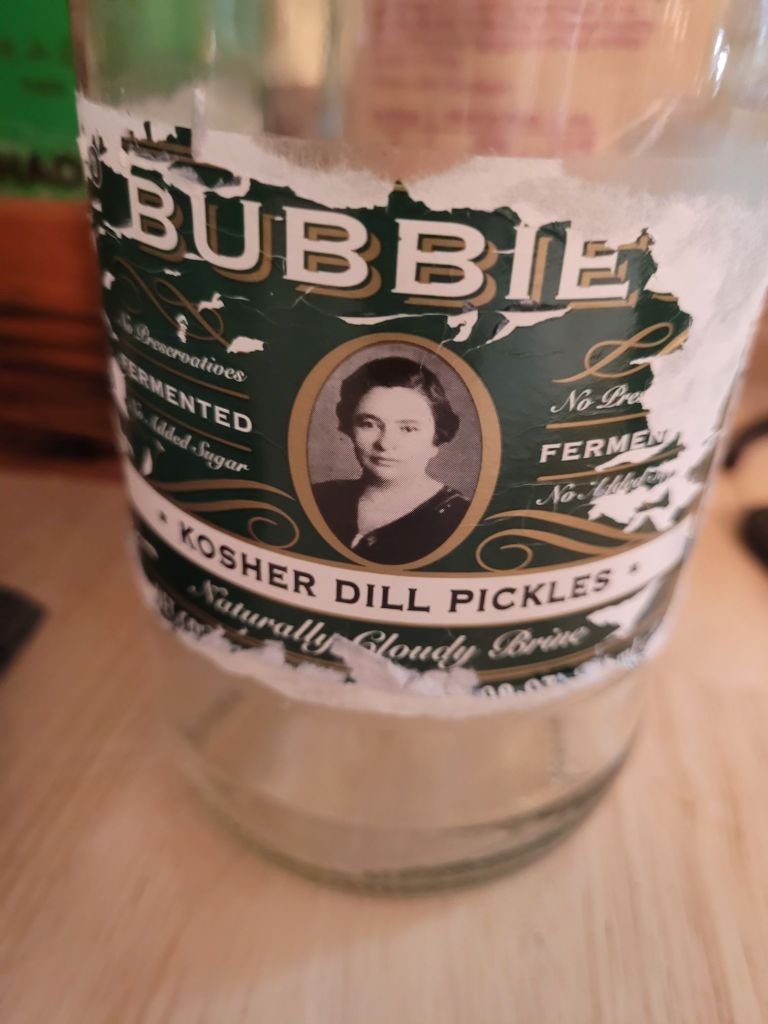
After a couple rounds in the dishwasher, this jar still smells like pickles!

Just wanted to share. Bubbie’s is a brand of fermented foods, and we have tried a couple of their products. They taste great and are fermented so you get a little probiotic boost.

I was thinking the other day that, if every deli and hamburger joint in America started using Bubbie’s pickles, what an improvement we would have in our overall gut health.

https://www.bubbies.com/

Daughter Days

Our daughter is with us this summer and I couldn’t be happier. 🙂😍

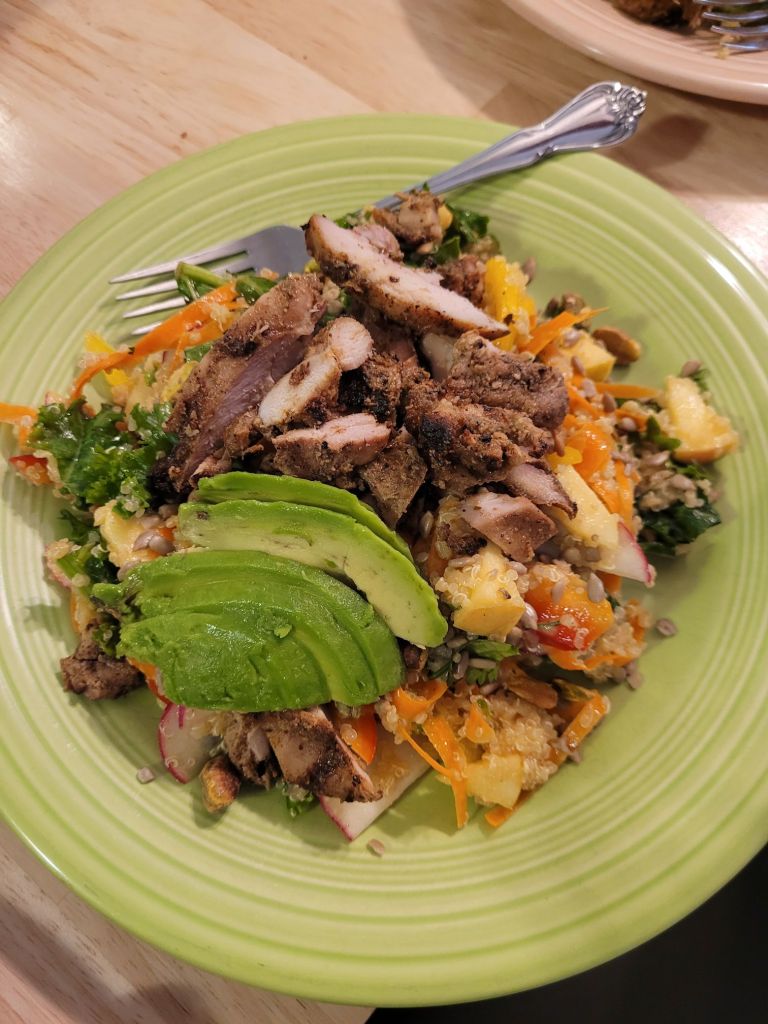
Tonight, she’s the chef. She made an amazing kale salad that is really healthy and nutritious.

We added a little grilled chicken on top.

Here’s the recipe if you want to give it a try:

The Biome & and Heart Disease

If I ever come into a large sum of money I’d like to put my friend Mike through medical school. He’s very smart, patient, and observant and he would do well in the research world.

He recently sent this article my way:

https://english.elpais.com/health/2025-07-17/revolution-in-medicine-a-molecule-produced-by-gut-bacteria-causes-atherosclerosis-responsible-for-millions-of-deaths.html

Here are the takeaways:

  • Researchers have discovered that gut bacteria produce a molecule (called imidazole propionate) that causes atherosclerosis, the accumulation of fat and cholesterol in the arteries, which can lead to heart attacks and strokes.
  • 63% of the study participants showed signs of the disease.
  • Imidazole propionate enters the blood, interacts with immature white blood cells, and triggers an inflammatory reaction in the arteries, which promotes the buildup of fatty plaques.
  • These results are unexpected, linking microbes and cardiovascular disease — the leading cause of death in humanity.
  • One of the study’s authors had already discovered in 2018 that imidazole propionate levels were higher in people with type 2 diabetes.
  • Blood levels of imidazole propionate are lower in people with diets rich in vegetables, fruits, whole grains, fish, tea, and low-fat dairy products.

What I want to know is how could a person know if they have this gut bacteria?

Are there foods you can eat to kill it off?

Not, sure I’ve ever mentioned it here, but did you know that most medical schools in the US don’t require nutrition training?

Maybe that will change soon.🤞 Here’s hoping.

The article ends with this tidbit:

Cases of colorectal cancer are skyrocketing in people under the age of 50, due to unknown causes, doubling in many countries in the last two decades. Another study, led by computational biologist Marcos Díaz Gay, suggested just three months ago that behind this colorectal cancer epidemic is the Escherichia coli toxin. “In young patients, up to 39 years of age, we see that colibactin pattern in one out of every three cases,” stressed Díaz Gay, of the National Cancer Research Center.

30 for 30

I used to struggle to get 30 different types of plant foods in my diet each week. As I’ve been doing this for a while now — and enjoying the benefits of a much healthier tummy — I thought I’d share a few secrets.


Coffee Klatch ☕️

Every morning, I begin with coffee and add to it about 1 tablespoon of chaga, which is a mushroom product.

Two down, 28 to go!


Tea for Two 🫖

Teas count! I usually have a cup of herbal tea after my morning coffee. My favorite is ginger turmeric, but of course, I mix it up… each day is different. 

I’m going to estimate that you’ll get at least 3 plant foods and their wonderful micronutrients in one cup of tea.

Add a lemon, lime, or orange slice? You’ve got 4.

What’s the tally now? Six plant foods! 24 to go!


Nuts to You 🌰🥜🐿

We like to keep a couple of jars of nuts in the den… easy access to healthy snacks when movie time rolls around. We keep a big one just for cashews, a small one for pistachios, and a medium-sized one for mixed nuts from Aldi, which includes peanuts, pecans, almonds and hazelnuts.

Ok, so a handful here and there throughout the week equals 6 of your 30 plant-based foods. And just having them around will help curb your desire for the unhealthy stuff.

Ok, add 6 to the tally. 18 to go!


Shoot Some Salad, Salad Shooter 🥗🔫

I’m making a big salad for tonight, and marinating some chicken for Jimmy to grill.

Here’s the salad ingredients in tonight’s mix: romaine lettuce, baby spinach, baby chard, baby kale, broccoli sprouts, tomatoes, cucumber slices, celery, sweet pepper slices, avocado, olives, and green onion. 

There’s enough for 4 of us to eat, and I’m pretty sure there will be leftovers for tomorrow. I’m not too proud to eat yesterday’s dressed salad. It takes on a giardiniera vibe.

Ok, that’s 12 more plant foods to add to the tally.

If you count the red wine vinegar I use in the dressing, it makes 13! I’m not going to count the dried herbs, though…

18 – 13 = 5 more to go!


Fruit Salad, Yummy Yummy 🍉🍒🫐🍓🍍

It’s summer, and there’s a ton of ripe fruit available, so take advantage while you can.

This morning, we finished a pineapple at breakfast.

My lunch was apple chunks with peanut butter drizzle.

On the dinner table, I set out blueberries, watermelon, and cherries. So there’s 5 more plant foods for today!

5 – 5 = 0! I got 30 in one day! Now, any new veggie to cross my path is just a bonus!

Easy, healthy, and delicious!

Microplastics, pt 2

Found a couple of videos from Dr. Rhonda Patrick to illuminate the problems with and sources of microplastic exposure.

These are long but very worthwhile.

Warning: These are “Eye of Sauron” videos that may overwhelm you. Take breaks! I had to…

Takeaways:

  • Be cautious with your children’s clothing as they are still in development. Avoid polyester and rayon as they do shed micro- and nanoparticles of plastic.
  • Avoid using “moisture wicking” fabrics, especially because they are generally worn when exercising and, therefore, are heating up and stretching, which hastens the breakdown of the fabric.
  • Avoid drinking from plastic water bottles if possible. Be aware that some single-serve metal water bottles will have plastic lining. But of course, drink from these if they’re your only choice.
  • In the kitchen, avoid heating anything made or lined with plastic. That means avoid microwaving or even washing in high temperatures. It’s best to just throw these away and replace them with glass.
  • Avoid situations where vinegars or acidic fruits are used in plastic (to-go salads, etc.) as the vinegar/acid will work the same as heat to break down the plastic and release chemicals.
  • Microwave popcorn bags are lined in BPA, and that is released in the microwave. Avoid!!
  • Aluminum cans are also lined with BPAs, which are forever chemicals, which take years to leave your body.
  • Avoid getting any hot beverage in a to-go cup (plastic-lined). Because these are cheap and flexible, the BPA is released quickly when hot coffee or tea is put in. Carry a reusable mug and ask the barista to use it directly.
  • Throw out any non-stick cooking pans and replace with steel or cast iron.
  • Silicon baking materials are not to be used or trusted.

Explore her videos for more info on health and microplastics… including how to hasten their excretion from the body. Hint: sulforaphane, fibrous diet, etc.