Lettuce Be Friends

Knock knock.

Who’s there?

Lettuce.

Lettuce who?

Lettuce be friends.

I think I read that on a Valentine’s Day card… probably in grade school.

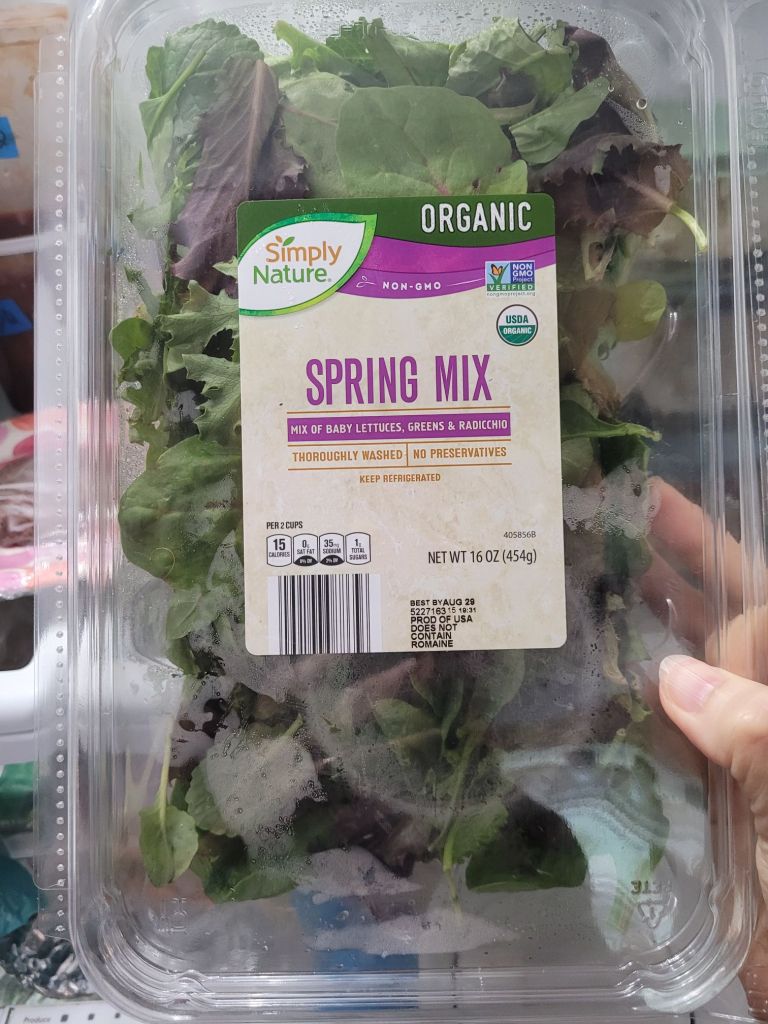
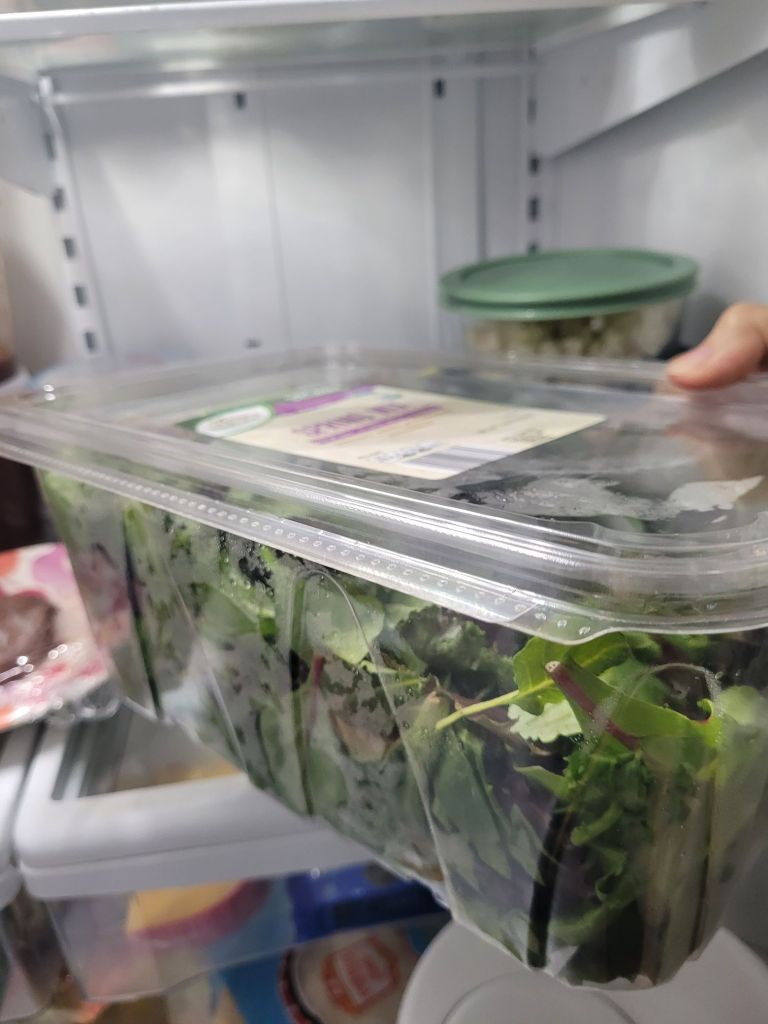
Anyway, friends, I wanted to share this awesome organic lettuce we’ve been buying from Aldi.

The box is crammed with organic lettuce varieties like red and green leaf lettuce, red and green oak, red and green chard, Lolla Rosa, tango, spinach, arugula, beet greens, frisee, radicchio, mizuna, kale, red mustard greens, tatsoi, and collards. I’ve never even heard of some of these.

It’s prewashed, and its a full pound.

It’s a good deal, though I can’t tell you the exact price I paid. #worthit

Another Biome Breakthrough!

Check out this amazing research from the University of Florida and Trinity College Dublin:

https://www.sciencedaily.com/releases/2025/08/250821004244.htm

Queuosine is a rare micronutrient crucial for brain health, memory, stress response, and cancer defense. It is “a vitamin-like micronutrient that we can’t make ourselves but can only get from food and our gut bacteria.”

“For over 30 years, scientists have suspected that there had to be a transporter for this nutrient, but no one could find it,” said Valérie de Crécy-Lagard, a UF/IFAS microbiology and cell science distinguished professor and department associate chair, as well as one of the study’s principal investigators. “We’ve been hunting for it for a long time. This discovery opens up a whole new chapter in understanding how the microbiome and our diet can influence the translation of our genes.”

Very iteresting! We are starting to map the microbiota.

Daughter Days

Our daughter is with us this summer and I couldn’t be happier. 🙂😍

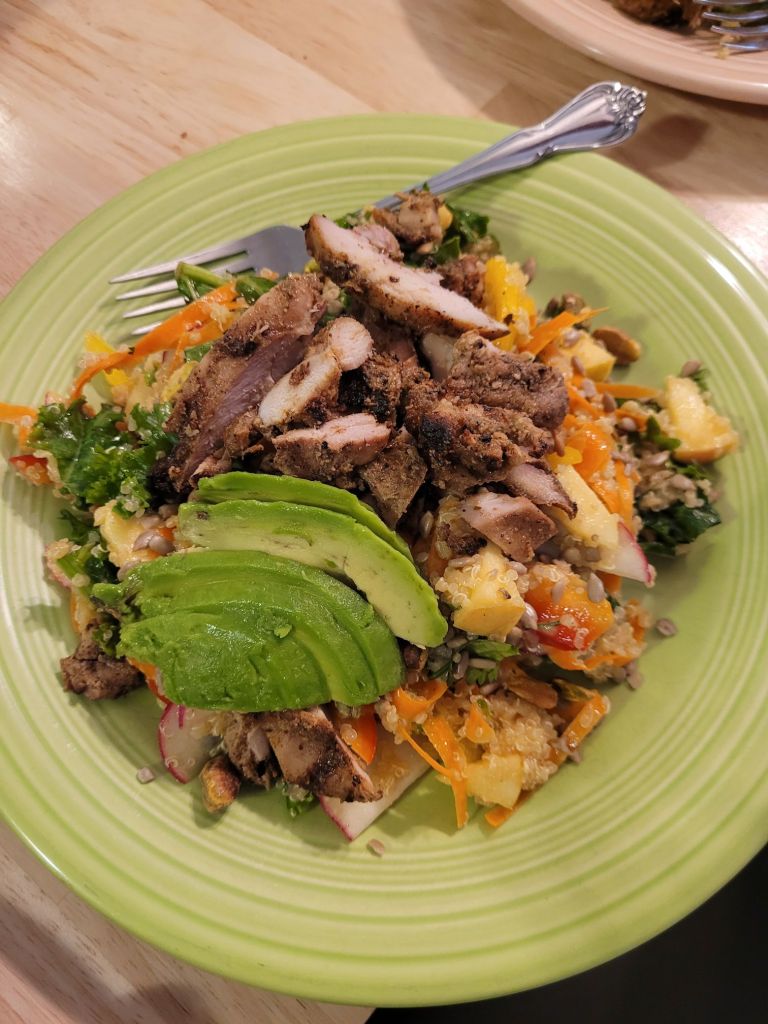
Tonight, she’s the chef. She made an amazing kale salad that is really healthy and nutritious.

We added a little grilled chicken on top.

Here’s the recipe if you want to give it a try:

The Biome & and Heart Disease

If I ever come into a large sum of money I’d like to put my friend Mike through medical school. He’s very smart, patient, and observant and he would do well in the research world.

He recently sent this article my way:

https://english.elpais.com/health/2025-07-17/revolution-in-medicine-a-molecule-produced-by-gut-bacteria-causes-atherosclerosis-responsible-for-millions-of-deaths.html

Here are the takeaways:

  • Researchers have discovered that gut bacteria produce a molecule (called imidazole propionate) that causes atherosclerosis, the accumulation of fat and cholesterol in the arteries, which can lead to heart attacks and strokes.
  • 63% of the study participants showed signs of the disease.
  • Imidazole propionate enters the blood, interacts with immature white blood cells, and triggers an inflammatory reaction in the arteries, which promotes the buildup of fatty plaques.
  • These results are unexpected, linking microbes and cardiovascular disease — the leading cause of death in humanity.
  • One of the study’s authors had already discovered in 2018 that imidazole propionate levels were higher in people with type 2 diabetes.
  • Blood levels of imidazole propionate are lower in people with diets rich in vegetables, fruits, whole grains, fish, tea, and low-fat dairy products.

What I want to know is how could a person know if they have this gut bacteria?

Are there foods you can eat to kill it off?

Not, sure I’ve ever mentioned it here, but did you know that most medical schools in the US don’t require nutrition training?

Maybe that will change soon.🤞 Here’s hoping.

The article ends with this tidbit:

Cases of colorectal cancer are skyrocketing in people under the age of 50, due to unknown causes, doubling in many countries in the last two decades. Another study, led by computational biologist Marcos Díaz Gay, suggested just three months ago that behind this colorectal cancer epidemic is the Escherichia coli toxin. “In young patients, up to 39 years of age, we see that colibactin pattern in one out of every three cases,” stressed Díaz Gay, of the National Cancer Research Center.