I have wanted to write about this for a while but I’m a bit out of my depth, and so I’ve put it off… but it is critically important and the little that I know has really changed my eating habits.
I recently came across this Instagram post by Dr. Mark Hyman, which sums it up nicely.
Salads are so healthy, and I am lucky to have had them throughout my life as a regular part of the dinner meal, whether at my childhood home or my grandparents’ house.
It’s a tradition that my husband and I have kept going and one that I hope lives on as our kids make their own homes.
🥗
It was one of the first things I helped with as a child (one step up from setting the table). My Mom would tell me that a “true chef would never cut lettuce leaves with a knife” and would instead tear them gently. I’m not sure if that’s true, but it sounds right.
I’m sure she just didn’t want any little kids wielding a knife in her kitchen, lol.
Those salads usually included iceberg lettuce, tomatoes, and celery with a simple vinegar and oil dressing. Sometimes, we got fancy and added black olives or Spanish (manzanilla) olives.
And we always had the salad as the final course… the logic was that the roughage (fiber) and vinegar would escort all the other stuff from the night’s dinner through the system and do some clean-up work in the intestines.
Yes, we talked about this at the dinner table when I was too young to use a knife.
When we went to my grandparents’ house, the salad was similar but often included half an avocado. If half an avocado doesn’t sound like much to you, well… you must not have spent time in Florida prior to Hurricane Andrew. Those old style “Tampa avocados” were as big as a football.
If I had a time machine… that’s what I’d go get…
These days, I like to get fancy with my salads. I usually start with Romaine lettuce and tomato. Those are the basis.
To that, I add whatever we have, including fresh spinach, a shredded carrot, artichokes in vinegar, olives of any kind or a scoop of muffaletta, slices of sweet peppers, diced onion, mushrooms, cucumber, avocado, thinly sliced purple cabbage, celery, cheese (Feta or parmesagn), and any kind of sprout (broccoli, radish, alfalfa, etc.).
Sometimes, I throw in apple chunks, pear slices, or orange sections. Sometimes, we throw in sunflower seeds or crushed pistachios or cashews.
In the summer, I like to find new types of lettuce and new varieties of tomatoes at the farmers’ market.
My Nani had a trick where she would cut into a garlic clove and rub it on the inside of the bowl prior to adding any ingredients. I always seem to remember the trick too late. 😕
Lately, I’ve been moving my salad to the beginning of the meal, rather than the end. This is because of the hacks I recently learned to lower blood glucose levels.
Here’s the details on that, from the Glucose Goddess, Jessie Inchauspé who I hear just got her own TV show!!! 🙌
A bit off topic, but related in terms of a healthy microbiome…
I used to get canker sores frequently, and if you’ve ever had one, you know they’re horrible! Your lip swells, you accidentally bite it when trying to eat, it makes talking complicated, and it’s really painful! There’s nothing good about canker sores.
I talked to my dentist about it a while back, and he recommended a certain mouthwash that didn’t help.
I had noticed in the past that if I used Listerine, I’d end up with another one or two sores. It made the problem much worse. I had also tried salt, saltwater rinses, and campho-phenique, which helped a bit but didn’t solve the problem.
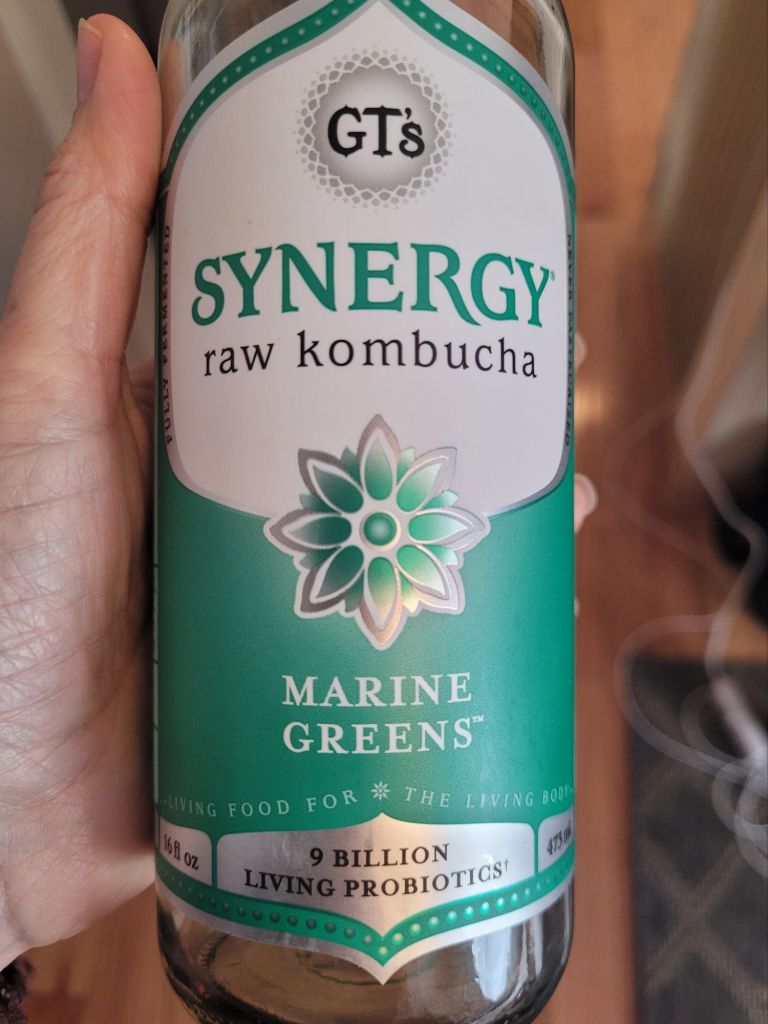
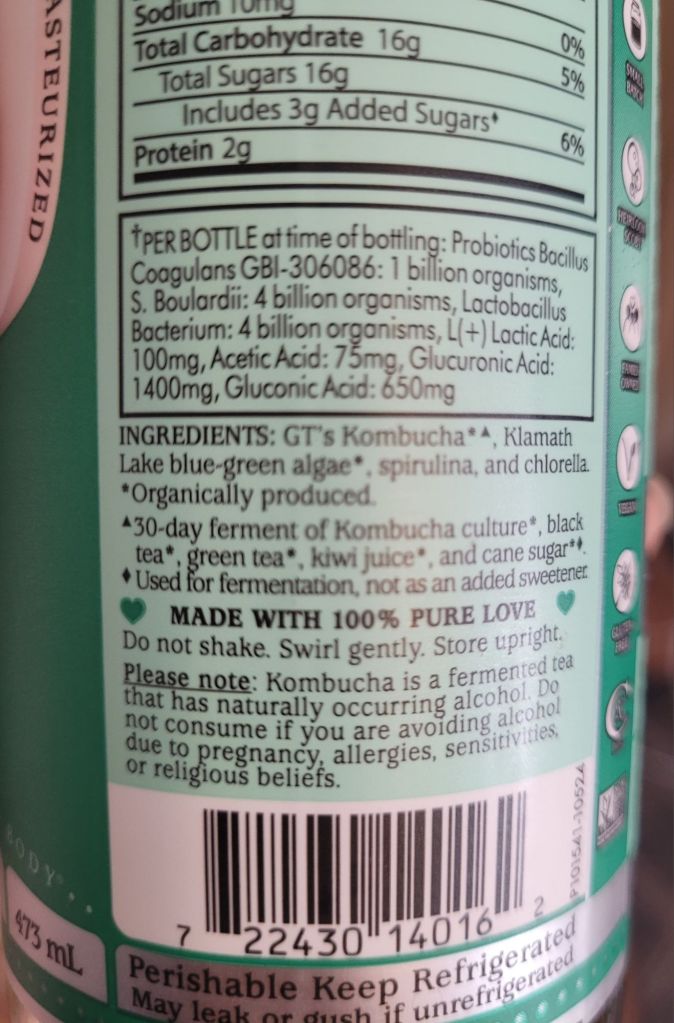
Then I started drinking kombucha, and they’ve disappeared. They are just gone. It’s like magic. Lifelong problem solved!
I did tell my dentist in the hopes that he and his staff would tell others. I’ll have to ask at my next cleaning and see if they are.
When I first got diagnosed and met my hematologist, he mentioned that many people with CLL also have a lot of canker sores. I told him how I fixed mine. Not sure what he’s done with that knowledge. I’ll have to follow up.
Anyway, I was talking to my sister yesterday evening and she had a canker… I told her about kombucha, and she said that she would double up on the probiotics. I told her that probiotics in the pill form had never helped me, but kombucha does.
This morning, she texted to say that she’s using kombucha and already feels better. 🌞
P.S. What if the common canker sore was seen and widely recognized as an early sign of poor gut health, and people knew what to do about it?
What if doctors knew to recommend probiotics and postbiotics (to rebuild a healthy gut) rather than recommending an antiseptic type of mouthwash that actually kills more of the good bacteria?
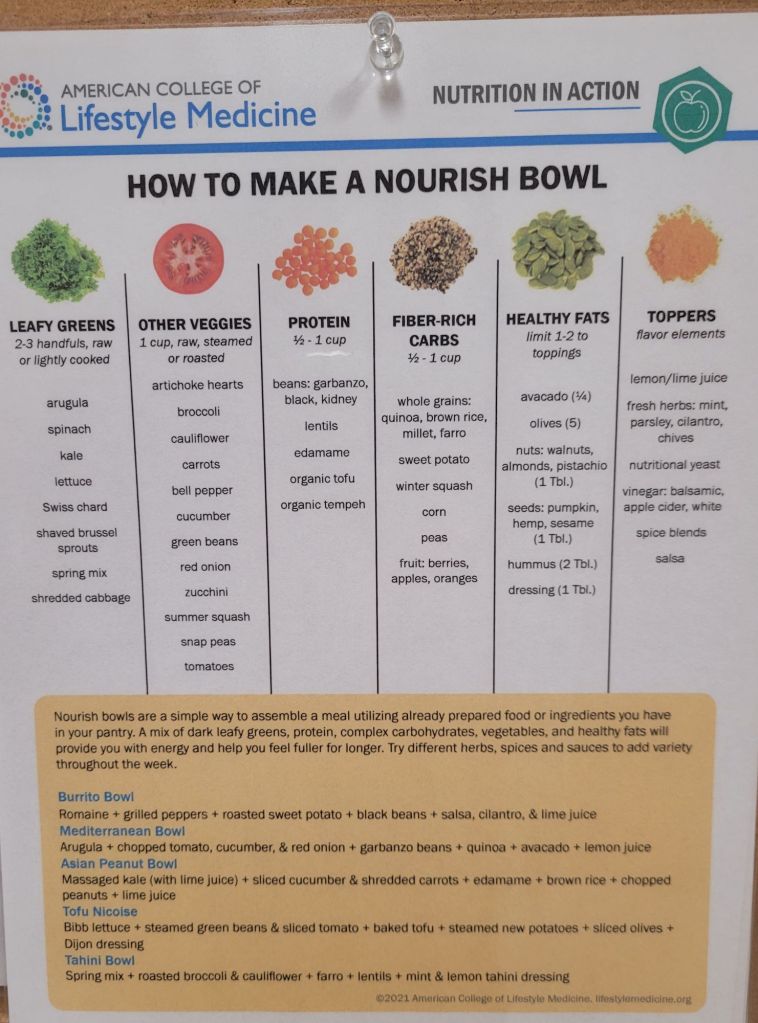
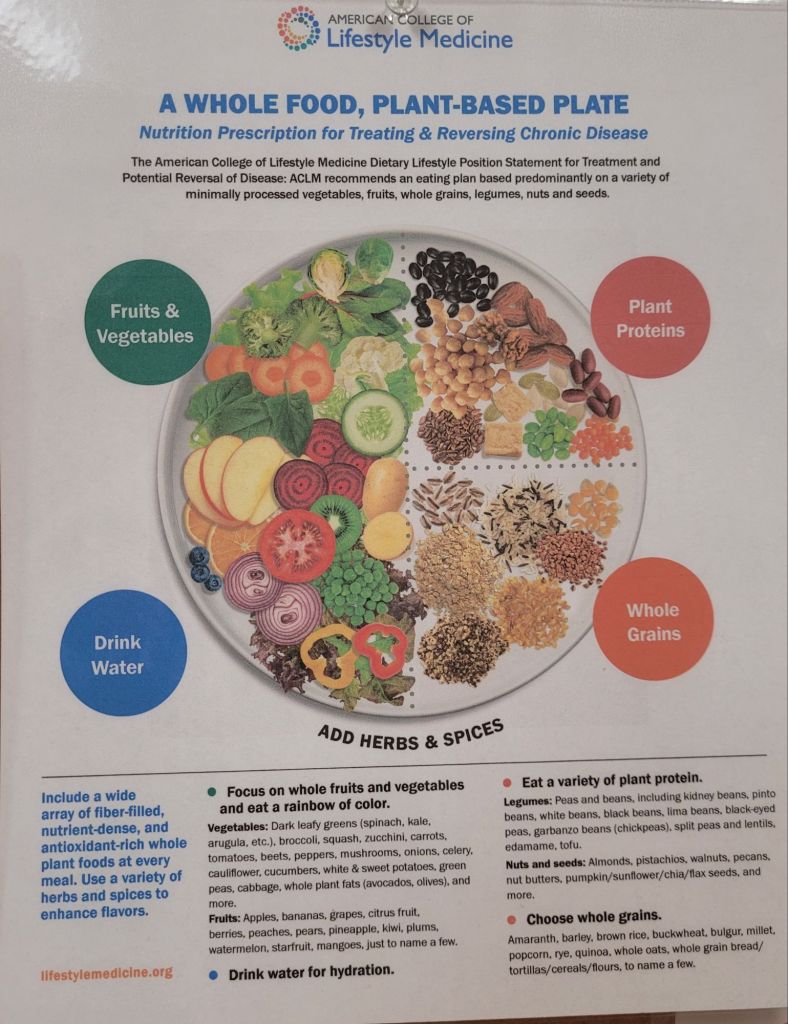
I had a checkup the other day and saw these on my doctor’s wall. How many times have you seen something like this?
There’s so much good info here. But prior to my diagnosis, I would have taken a little glance and not thought about it again. Now I’m pouring over them, matching this up with my own new patterns and habits.
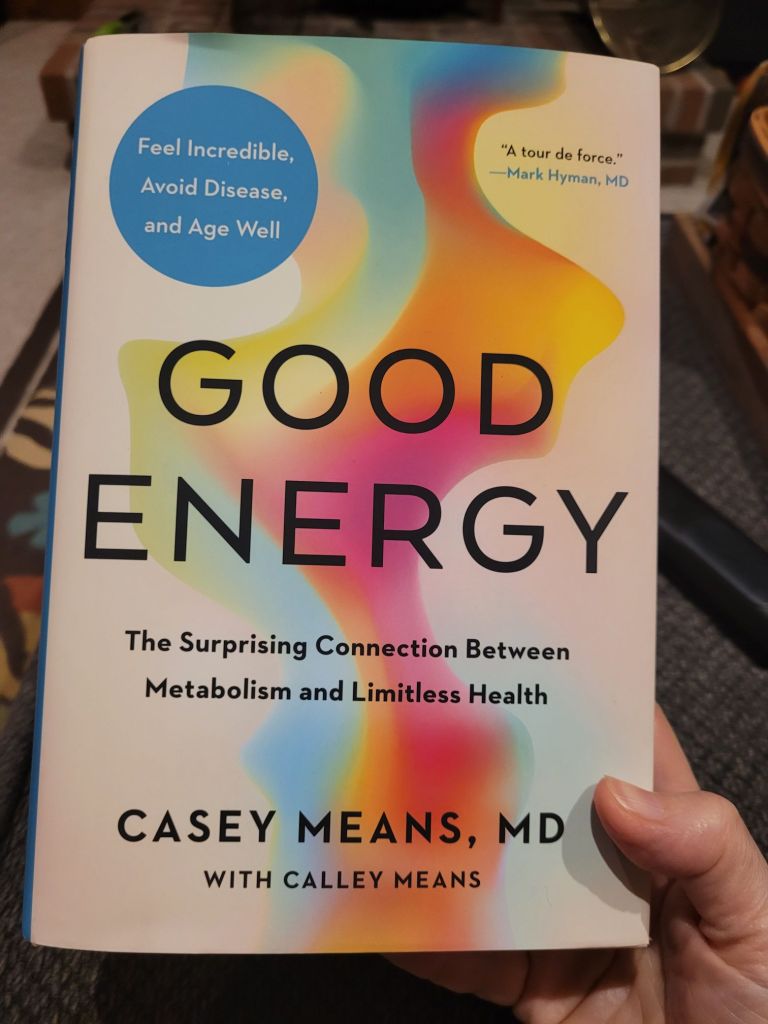
These are the notes I took while reading Good Energy and watching Dr. Casey Means discuss her new plan for optimally healthy meals.
She (and many other doctors and nutritionists) wants us to ditch the food pyramid, which pushed carbs as the staple food, and move to something like this 5-slice pie above.
If we could design each meal to include one element from each section, we would be healthier in terms of our mitochondrial function.
I put it on the fridge so I see it every day, at every meal.
Just heard this morning that Mexico is saying no to buying and importing the genetically modified, cancer-causing, glyphosate-drenched corn our country is selling. I could not be happier to hear it!!!!
I feel bad for the farmer. This mess will take some work to un-mess. But it’s critical that we stop using GMO corn and its glyphosate counterpart.
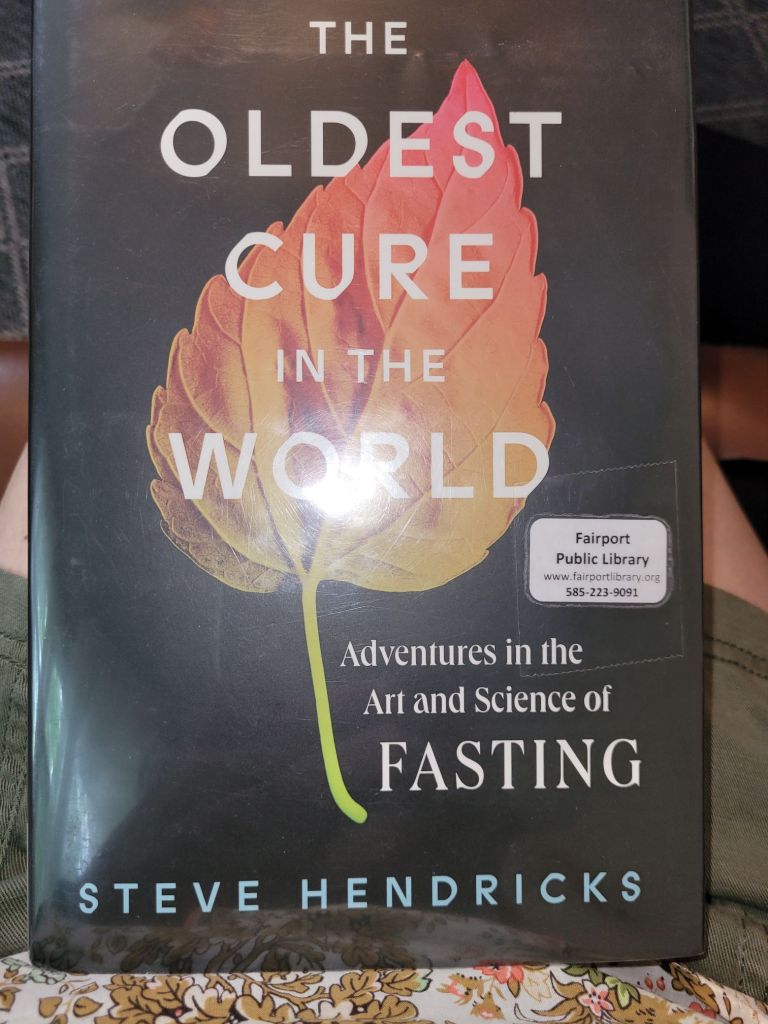
Years ago, we caught a pledge week show on PBS about fasting. It was really interesting and surprising — not eating is healthy? Quite a paradigm shift from our day-to-day habits and culture.
My husband bought the book related to that program, read up, and eventually did a 3-day fast. He really liked how it made him feel better, sharpening his mind and jump-starting weight loss.
Fasting came back to mind when I got diagnosed. My husband and my best friend were immediately suggesting it, too.
Between my first meeting with my cancer hematologist and my second meeting, I greatly changed my diet and also did 3 fasts: one after the holidays, one for a colonoscopy, and one when my husband had his colonoscopy.
Looking at my bloodwork from those 2 appointments, there WAS a decrease in my markers. Plus, I felt better and had more energy.
Here is a great introduction to the power of fasting with Dr. Pradip Jamnadas.
This book is amazing as well. Both are long but worth it.
Since then, I’ve learned a ton about fasting, intermittent fasting, meal timing, nutrition, and metabolic health. And it’s exciting to see fasting being talked about by some very cutting-edge researchers and physicians.
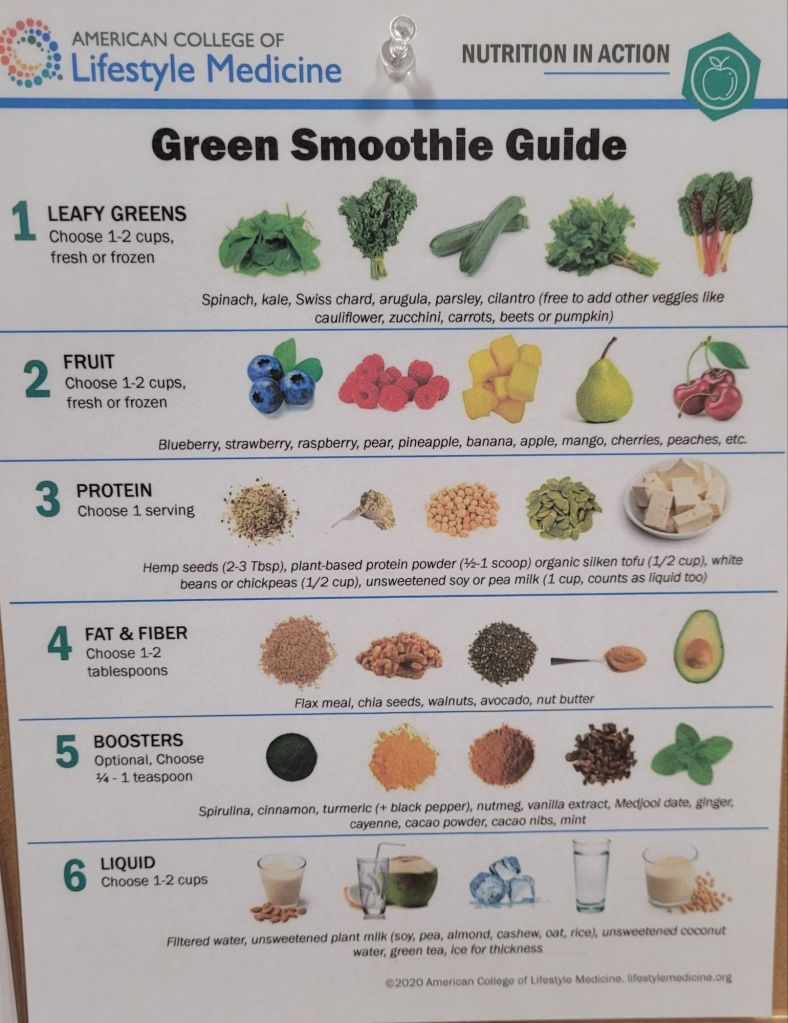
Ok, we all know fiber is supposed to be good for us, but what is it really, and what does it do that’s so beneficial?
What It Is
First off, fiber is a material from plants that WE can’t fully digest, but our microbiome buddies CAN. They love it. It feeds them and makes them feel good, which in turn makes US feel good.
Fiber is actually a form of carbohydrate, but it doesn’t convert to glucose in our bloodstream like other carbs.
Our microbiome buddies actually ferment the fiber to break it down. Then they send out beneficial by-products (called post-biotic short chain fatty acids) into our bloodstream, which do great stuff such as:
● Reduce inflammation
● Regulate metabolism
● Regulate mitochondria
● Improve insulin & glucose levels
● Regulate hunger & appetite
● Protect and repair the lining of the gut, which allows the gut to better protect itself from toxins.
Where to Get It
Ok, I want it! I’m convinced! How do I get it?
I’ve learned a lot from Dr. Casey Means, through watching her interviews on YouTube, reading her book Good Energy, and taking her online class called “Eating For Good Energy and Healthy Metabolism.”
She recommends doubling the paltry USDA guideline of 25 to 30 grams per day. To be healthy, shoot for 50 to 60 grams of fiber daily.
Here are the sources she recommends:
Chia seeds
Basil seeds
Flax seeds
Beans, lupini in particular
Nuts, tiger nuts and pistachios in particular
Artichokes
Avocados
Raspberries
Here are a few others:
Organic oats (please don’t eat the non-organic oats as they are drenched in glyphosate)
Broccoli
Beets
Carrots
Kale and other leafy dark greens
To Sum it Up
So, when you eat fermented foods (probiotics) you are actually bringing in new, good bacteria. New microbiome buddies.
When you eat fiber, you are feeding your microbiome buddies, and they ferment that fiber inside you to create post-biotics.
Interesting Fact
Dr. Means also points out that our microbiome creates our neurotransmitters. Did you know that schizophrenia and depression can be diagnosed by analyzing a person’s microbiome? Huh!
There’s a LOT of emerging evidence and research to support the idea that cancer is a metabolic disease. That is, it is a problem stemming from the way our bodies create energy from our food.
I wrote earlier this week, using the findings of Dr. Zach Bush, that glyphosate kills our gut bacteria, the microbiome that is integral to our ability to digest and pull energy from food. The Roundup/glyphosate kills these very important living beings inside us the same way that it kills weeds.
So what can we do? What positive steps can we take? Here’s what I’ve learned:
● Eat the cleanest food you can. These can be imported from another country with higher standards, organic, non-GMO, grown at home, or grown by a trusted farmer in your area.
● Ditch all the processed foods. These are made from the cheapest components with the highest amount of harmful residues as well as untested flavors and colorings. Think of them as poison.
● Eat probiotic foods. Replace the bacteria that are dying or malfunctioning with probiotic foods and drinks. Kefir, saurkraut, fermented pickles, kombucha, yogurt with active cultures, kimchi, etc. Try to get multiple sources of probiotics throughout the day.
● Eat high fiber foods and make a point of adding them to your daily meals. (I’m seeing the word “post-biotic” a lot in connection to fiber.)
● Eat a variety of veggies, nuts, andspices. Try to eat 30 different healthy vegetables per week. (I make a list and add to it as the week goes by. It inspires me to try new things. Drinking chicory coffee as I type this.)
Learn More
If you want to learn more about metabolic diseases and how to avoid them, I suggest reading this book by Dr. Casey Means.
There’s also this podcast from Diary of a CEO with Dr. Thomas Seyfried of Boston College.


 The Cancer Canary