The Biome & and Heart Disease

If I ever come into a large sum of money I’d like to put my friend Mike through medical school. He’s very smart, patient, and observant and he would do well in the research world.

He recently sent this article my way:

https://english.elpais.com/health/2025-07-17/revolution-in-medicine-a-molecule-produced-by-gut-bacteria-causes-atherosclerosis-responsible-for-millions-of-deaths.html

Here are the takeaways:

  • Researchers have discovered that gut bacteria produce a molecule (called imidazole propionate) that causes atherosclerosis, the accumulation of fat and cholesterol in the arteries, which can lead to heart attacks and strokes.
  • 63% of the study participants showed signs of the disease.
  • Imidazole propionate enters the blood, interacts with immature white blood cells, and triggers an inflammatory reaction in the arteries, which promotes the buildup of fatty plaques.
  • These results are unexpected, linking microbes and cardiovascular disease — the leading cause of death in humanity.
  • One of the study’s authors had already discovered in 2018 that imidazole propionate levels were higher in people with type 2 diabetes.
  • Blood levels of imidazole propionate are lower in people with diets rich in vegetables, fruits, whole grains, fish, tea, and low-fat dairy products.

What I want to know is how could a person know if they have this gut bacteria?

Are there foods you can eat to kill it off?

Not, sure I’ve ever mentioned it here, but did you know that most medical schools in the US don’t require nutrition training?

Maybe that will change soon.🤞 Here’s hoping.

The article ends with this tidbit:

Cases of colorectal cancer are skyrocketing in people under the age of 50, due to unknown causes, doubling in many countries in the last two decades. Another study, led by computational biologist Marcos Díaz Gay, suggested just three months ago that behind this colorectal cancer epidemic is the Escherichia coli toxin. “In young patients, up to 39 years of age, we see that colibactin pattern in one out of every three cases,” stressed Díaz Gay, of the National Cancer Research Center.

Salt & Pepper

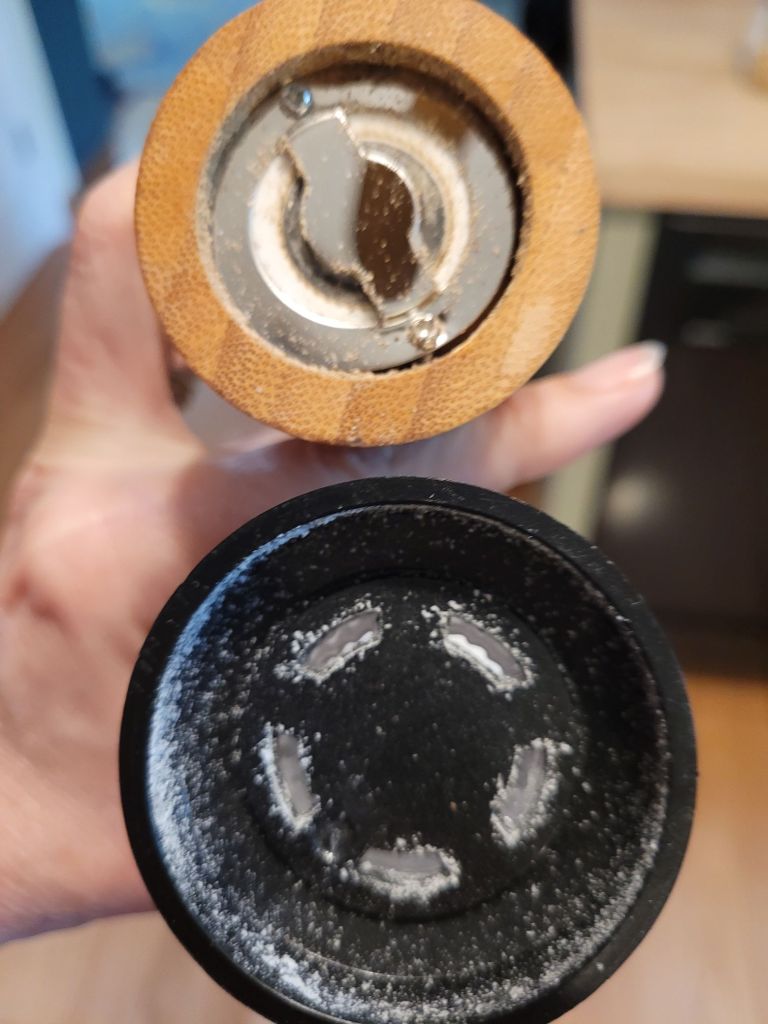
Was using my salt and pepper grinders today and realized that they BOTH have plastic grinding gears … yet another way for microplastics (or not-so-micro-plastics) to break off, get into our food, and then be consumed.

I’m throwing them out!!

Ughghghghghghg!

Long Time, No Write

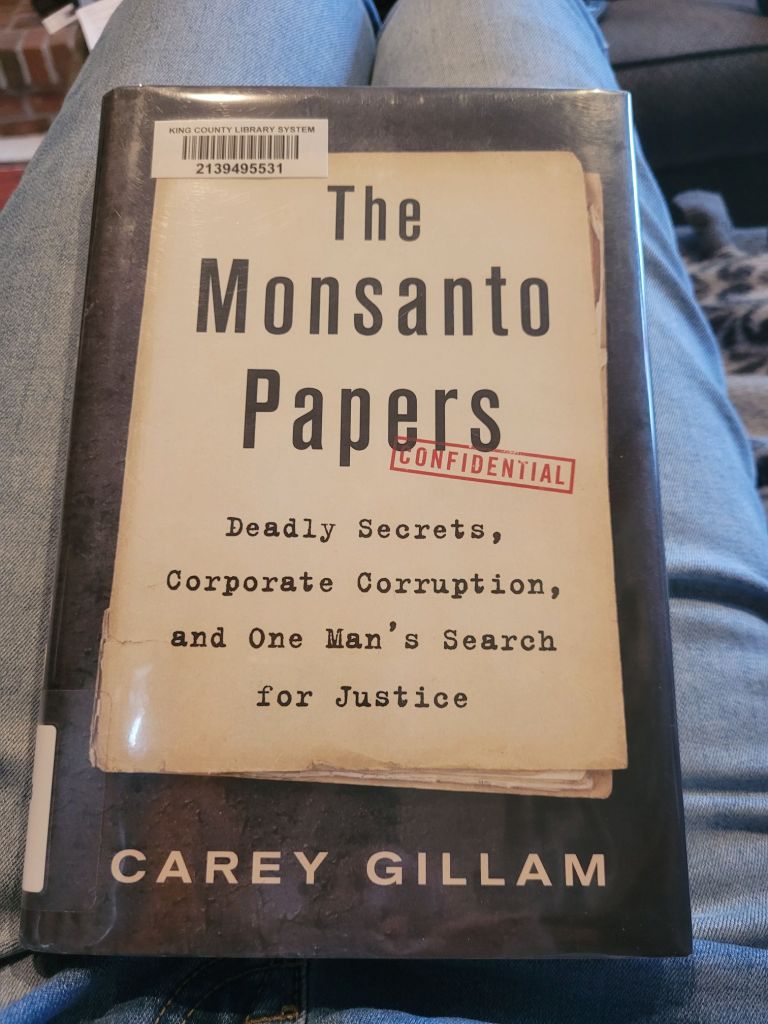
I’ve been traveling a bit, down to Florida, to see family and work on our old house. Along the way, I’ve been reading The Monsanto Papers by Carey Gilliam.

This is the story of the lawyers who took on Monsanto, the plaintiffs they represented, and many internal emails and documents from within Monsanto that were shared with the public in 2017.

There are parts of this book that made my mutated blood boil.

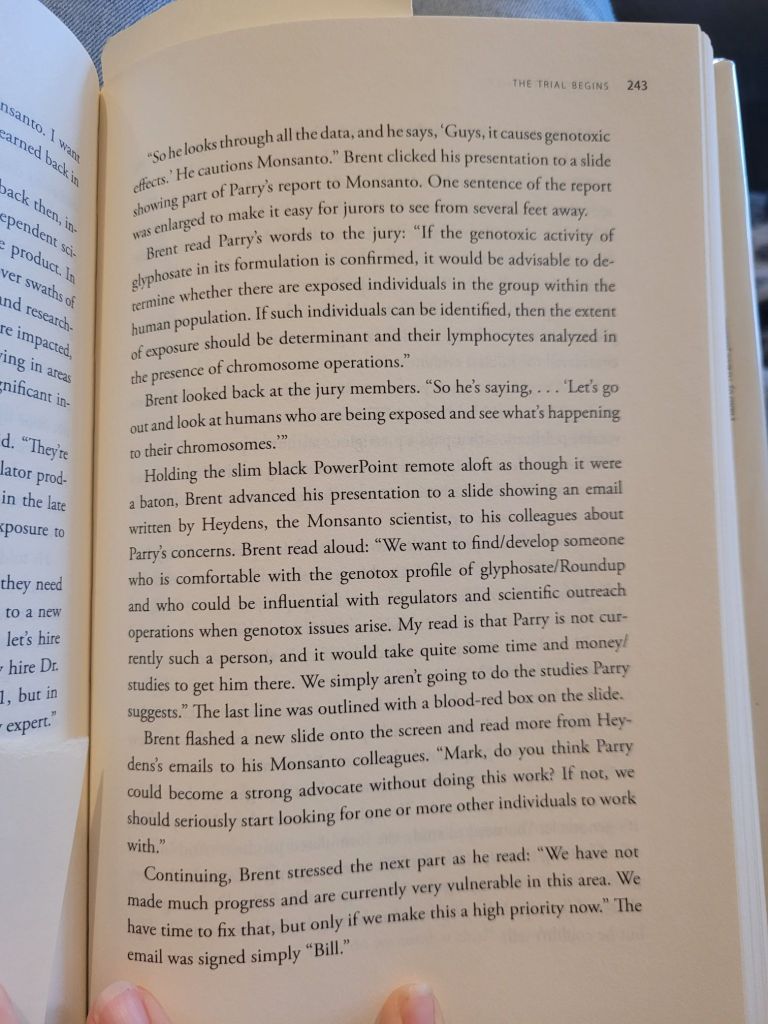
For example, this passage from page 243. This is text from the court testimony of Dewayne Johnson vs. Monsanto Company, showing internal an email from Dr. James Parry,  indicating not only that the company knew – in the 1990s – that glyphosate caused cancer, but that they knew to look for mutations of the lymphocytes.

They already knew which cell would be affected first.

Even though the plaintiff won his case, and even though more and more cases came to trial, and even though there was a flurry of publicity surrounding each one… glyphosate is still the most used herbicide on the planet.

It’s still used as a desiccant during harvests.

And it’s still in most foods you can buy in any American supermarket.


If you’d like to know more, there’s a film called Into The Weeds which shows scenes from the courtroom. You’ll get to know Dewayne Johnson and hear and see his heartbreaking story. The film can be streamed for $2.99 through Amazon.

Carey Gilliam has written a few other books on this topic, and there are some interesting interviews with her on YouTube.

https://www.intotheweedsimpact.com/

It will make you sick, literally and figuratively.

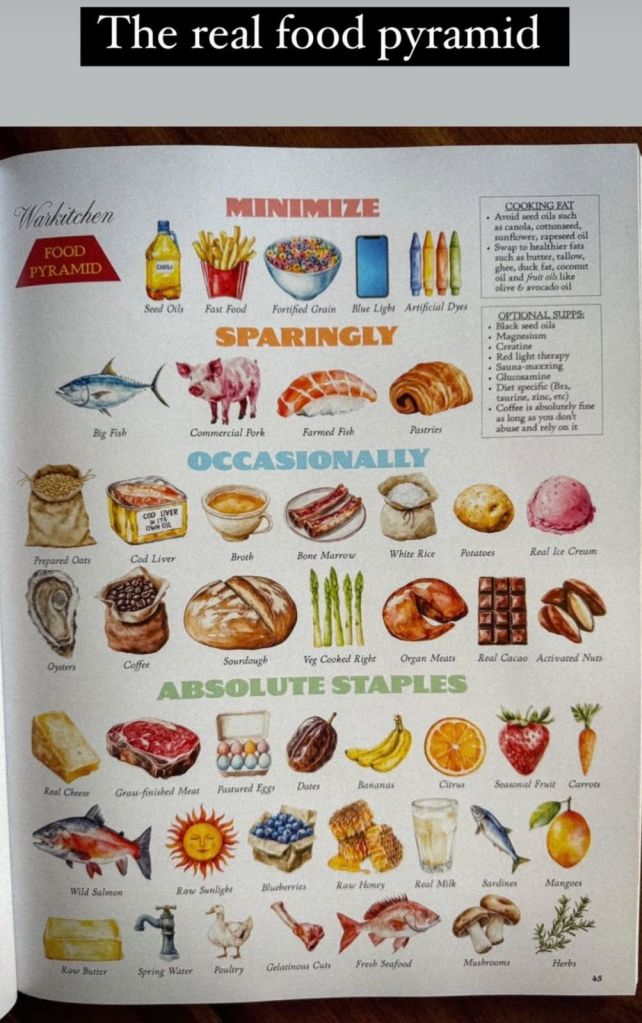
The Dangers of Seed Oils

I have wanted to write about this for a while but I’m a bit out of my depth, and so I’ve put it off… but it is critically important and the little that I know has really changed my eating habits.

I recently came across this Instagram post by Dr. Mark Hyman, which sums it up nicely.

The Emperor of All Maladies

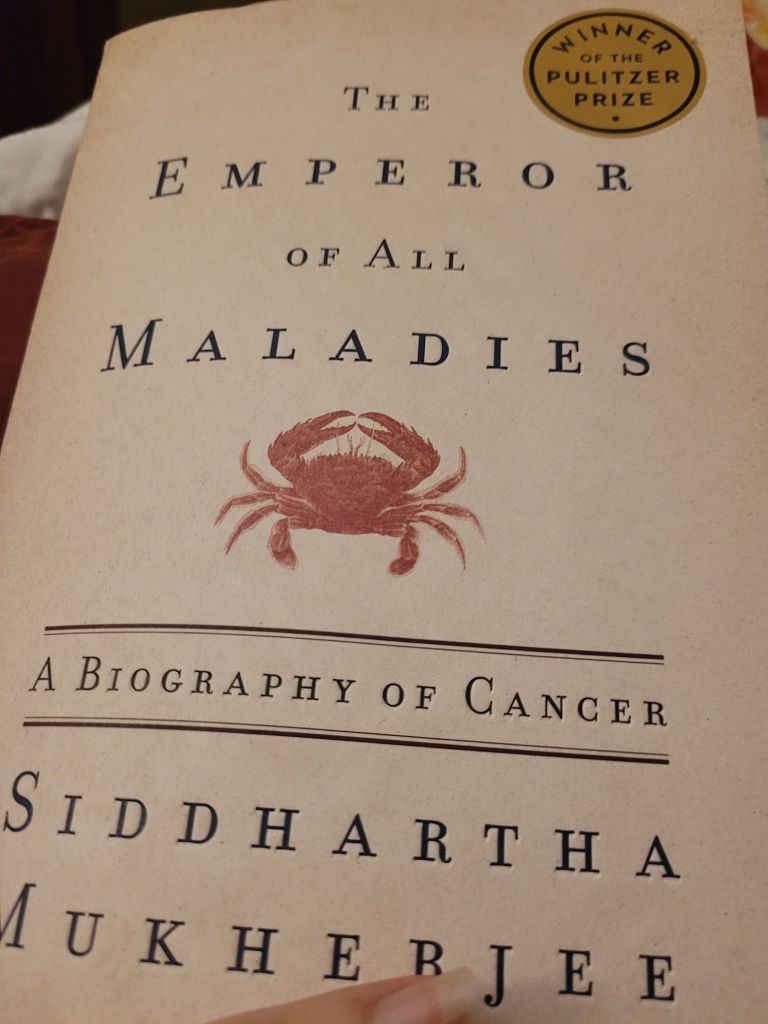
I’ve been reading this book for a few months now.

Since my job is somewhat reading-intensive, I usually opt out of reading on weeknights.

Since my job is also rather sedentary, I opt out of reading much on the weekends.

So, it’s taking a long time to get through it.

There are also some very heavy topics here, and sometimes I just have to rest.

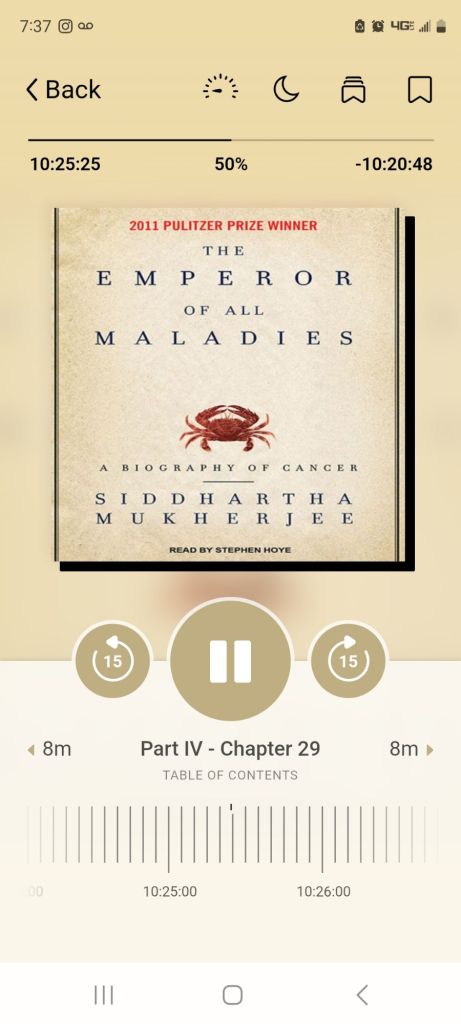
The other day, I got a notice from the library saying that a book I had put on hold was now ready for me. It was this very book! I laughed a bit. Then I looked a little closer and saw that it was an audio book. Oh yeah! I forgot!

So this evening, I’m on my rebounder AND reading. 😊 📖

The Emperor of All Maladies is the history of our struggle against cancer… to recognize, categorize, and organize against it.

It’s the story of Sydney Farber and many doctors who came since, each with their own focus and theories.

It’s the story of men and women who attack the problem with enthusiasm and tenacity, who often meet with scorn and disapproval… until the evidence they find is too great to be ignored.

It’s the story of thinkers who become obsessed and push their research too far, are sometimes demoted or fired. But regardless, their research had a lasting impact.

It’s a story where trials have promising results, but turn out to be misleading due to bias, or fraud.

It’s a story of public communications, advertising, and fundraising.

It’s the story of those who experiment on themselves.

It’s a timeline of assumptions that are accepted for decades… and then proven false.

It’s a story where “anecdotal” evidence is laughed at, then studied, then blocked for decades from reaching the ears of the common man, who continues consuming the dangerous product.

It’s very long, and since it was published in 2010, it does not contain a lot of new research and therapies. But still, I highly recommend reading it.

Siddhartha Mukherjee, the doctor who wrote it, is very insightful and also a great writer.

I recommend Mukherjee’s book The Song of the Cell to anyone trying to get a handle on all the amazing activities carried out inside us. It is really fascinating stuff!

And also, I recommend this article (which comes with an audio option) on how sometimes the beginnings of cancer (oncogenesis) is caused by more than one factor: https://www.newyorker.com/magazine/2023/12/18/all-the-carcinogens-we-cannot-see

I’m 10 hours in, with 10 hours left to go! Yikes! 😳