Detoxing

My mother has been struggling with muscle aches and recently figured out that they were actually side-effects of a prescription drug she had been taking for over a year. ๐Ÿ˜ณ๐Ÿ˜ตโ€๐Ÿ’ซ๐Ÿ˜ต

I remember my grandmother taking a similar statin drug, maybe 10 years ago, and having similar pain. She had been a pharmacist assistant for most of her life and knew a lot about drugs, so she got out a magnifying glass and her Merck manual and took a look at the little “indications” paper that comes with every prescription.

Well, she found a lot of undesirable side effects, such as muscle pain and weakness, liver damage, increased risk of type 2 diabetes, cognitive decline, and memory issues.

The worst one, if we are ranking them, might be rhabomyolysis, the severe breakdown of muscle. This basically means that muscle tissue is broken down rapidly, which is painful, then the broken-down proteins (myoglobin) wreak havoc on the liver, which must clean it out of the blood.

Anyway, the task at hand for my mom, and for so many of us who are trying to reverse the damage from products, foods, medicines, etc., is to DETOX.

My first advice to her was to take Epsom salt baths, maybe use a charcoal supplement for a while, drink more, sweat more…. but what else is there, when a person wants to detox?

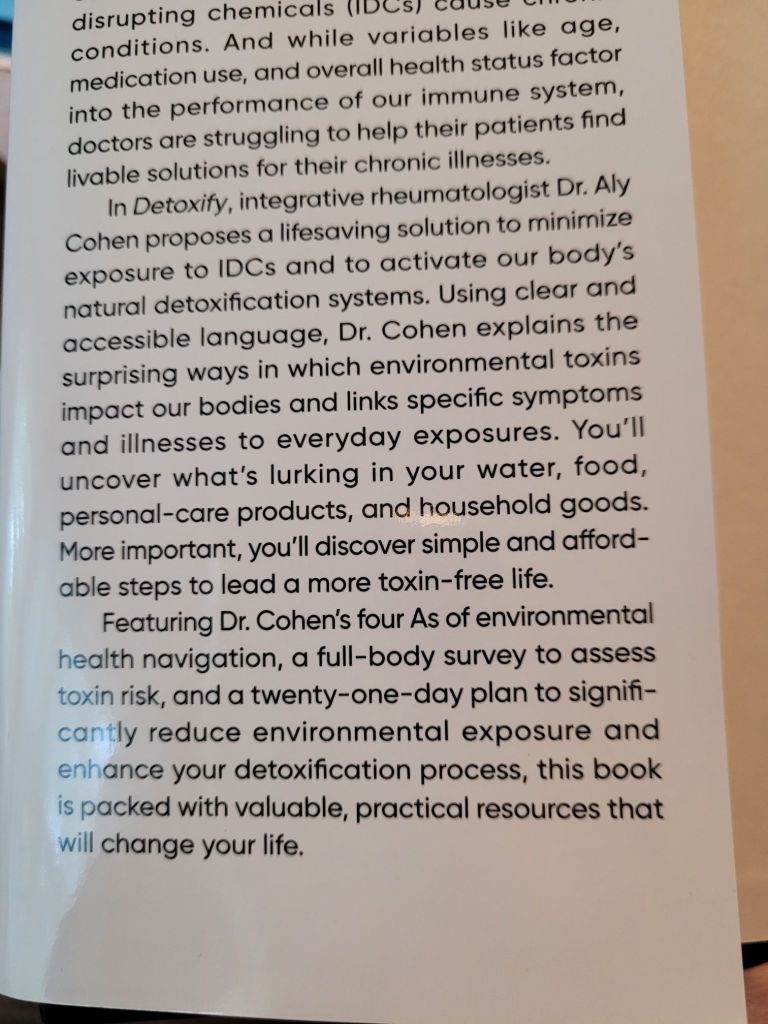
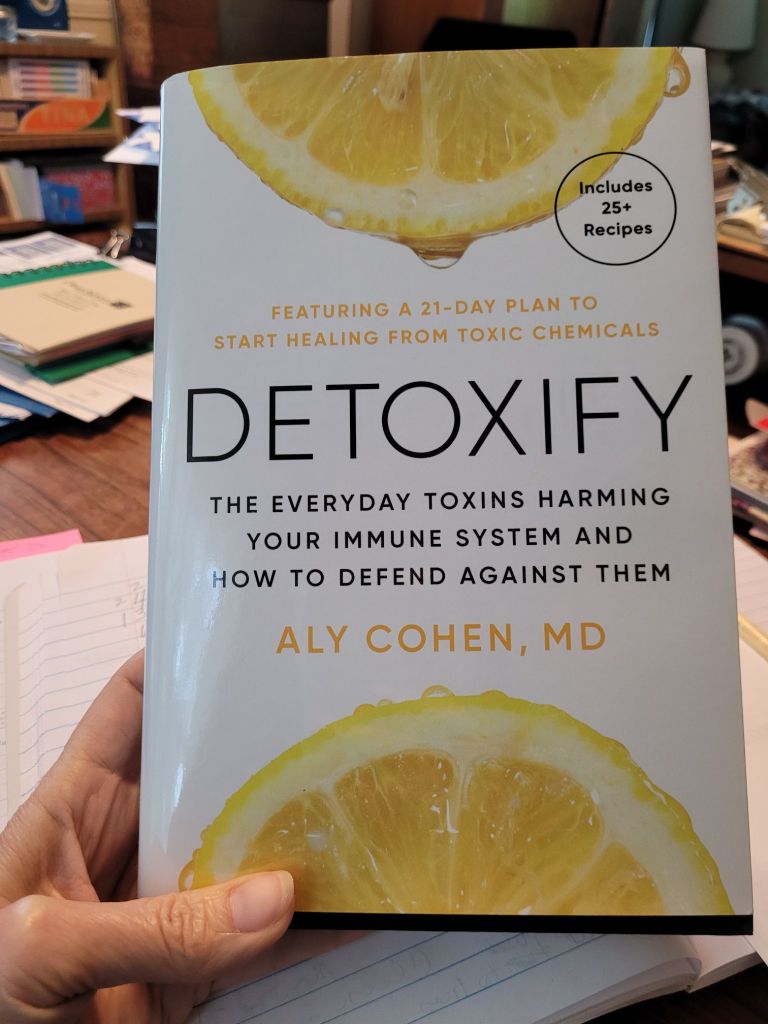
I came across this book recently… just starting to read it.

Have any of you read it?

Do any of you have detoxing wisdom to share?
Morning Routine

I recently spoke with an old friend who had heard of my diagnosis through the grapevine. He asked if I was doing all the thingsall the things a person does when they get a diagnosis like this. Yes, I replied.

But what are the things? Well, there’s a lot of ’em, so I’m breaking them down by the phase of a typical day.

Here’s Part 1: Morning Routine.


I’ve wavered in consistency lately in terms of my morning routine. Months of extra-snowy and cold winter, plus traveling & staying with family are just a couple of the reasons why. There’s also “couch inertia,” aka “warm blanket in front of the fire,” inertia.

Yeah, its a thing.

It’s just a little snow… no biggie.

Here’s the morning routine I strive for (and often achieve):

  • Wake up between 6 and 7 am. I don’t use an alarm but seem to always wake up around this time.
  • Put on my dumb watch, which counts my steps and tells the time, but isn’t constantly sending updates to my phone.
  • Open the blinds & get a blast of natural light into the bedroom.
  • Brew some organic coffee, which I drink black.
  • Use filtered water, of course.
  • I add about a tablespoon of chaga to my coffee. Chaga is a mushroom product that has some really great health benefits.
  • A quick walk outside, usually my backyard. Put bare feet on the earth. This is called grounding, and there’s a wonderful documentary on YouTube called The Earthing Movie… check it out.
  • While I’m outside, I like to break pine needles and smell them. I feel that it wakes up a different part of my brain. In the summer, we have other aromatics like rosemary, basil, and lemon balm to choose from. But in winter, it’s pine.
  • Set my circadian rhythm by looking at the sun. We have mostly hazy sun here, and if you live in a very sunny place, this would be impossible. Still, our stomachs set their expectations based on this morning exposure to the sun. Read about it in the book The Oldest Cure in the World by Steve Hendricks.
  • I started doing this morning activation routine with Master Shi Heng Yi, and it was a great starting point. However, over time, I’ve added reps and hand weights and a few more exercises to make it a more challenging routine.
  • A shower with only yuka-approved soap, shampoo, and conditioner.
  • While showering, I do a lymphatic massage. This is based on lots of reading and videos by lymphatic specialists. A great resource is the Lymph Love Club, which you can follow on social media for lots of reminders and techniques. (Note: CLL is not only considered leukemia but also a form of Non-Hodgkin Lymphoma, so taking care of that system is important for me, especially to balance out my sedentary work.)
  • A cold blast at the end of the shower, based on the research of Wim Hof.
  • Out of the shower, I get dressed, walk the dog, and do chores — or hit the rebounder — with a goal of getting 2500 steps before settling down to my desk at 8:45 am.

Ok, that’s it for the wake-up routine. Tune in next time… ๐Ÿ“ป


A Good Jar

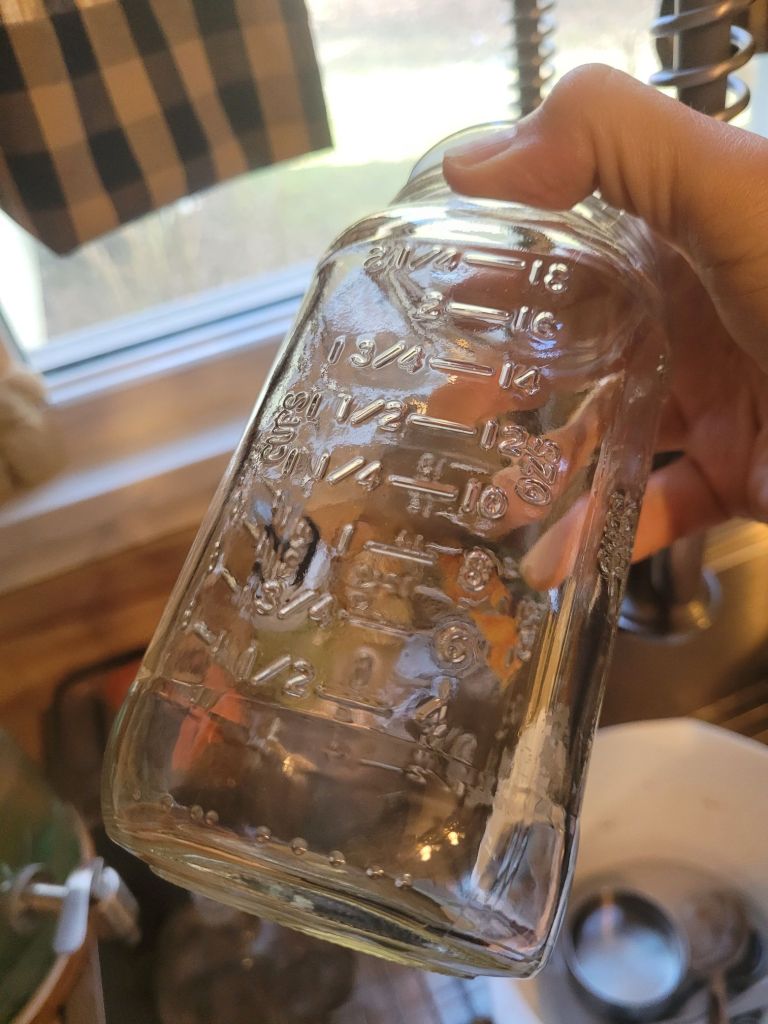
Each time I save a good jar from the recycling bin, I feel a little closer to my elders who went through the depression. I remember those comments… Hey, don’t throw that out. That’s a good jar!

I love how the cabinets and spice rack have changed since I started detoxing my home. Bye bye, plastic! Hello glass, steel & sustainability!

How about you?

The Dangers of Seed Oils

I have wanted to write about this for a while but I’m a bit out of my depth, and so I’ve put it off… but it is critically important and the little that I know has really changed my eating habits.

I recently came across this Instagram post by Dr. Mark Hyman, which sums it up nicely.

Food Colorings, Part 2

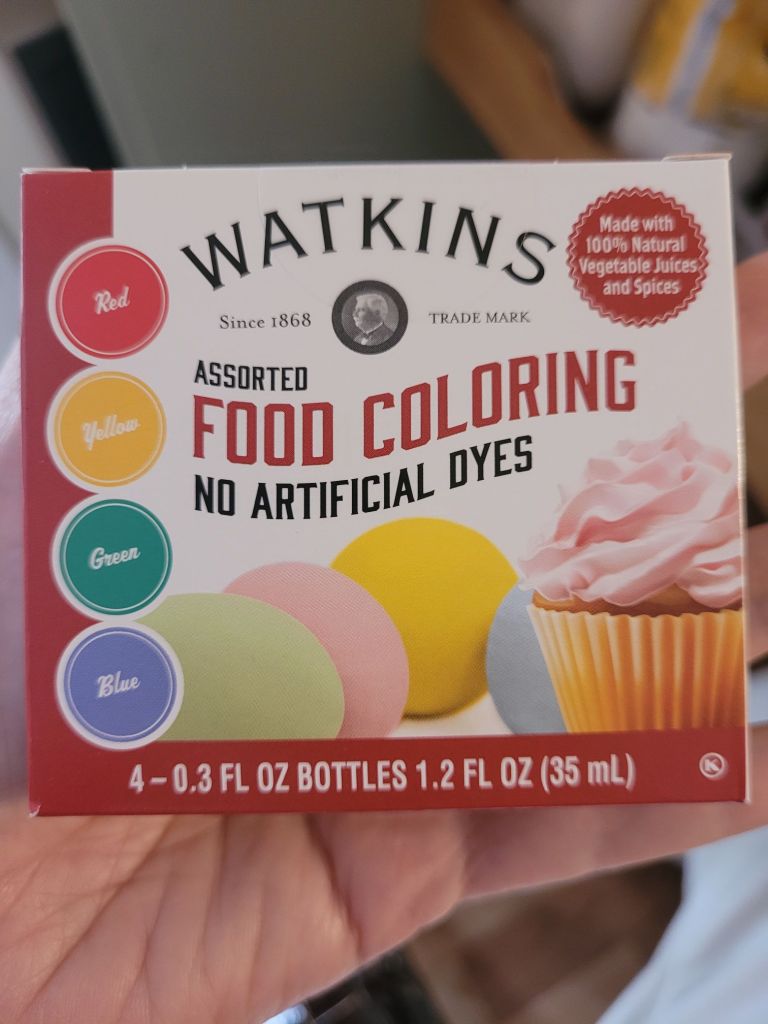
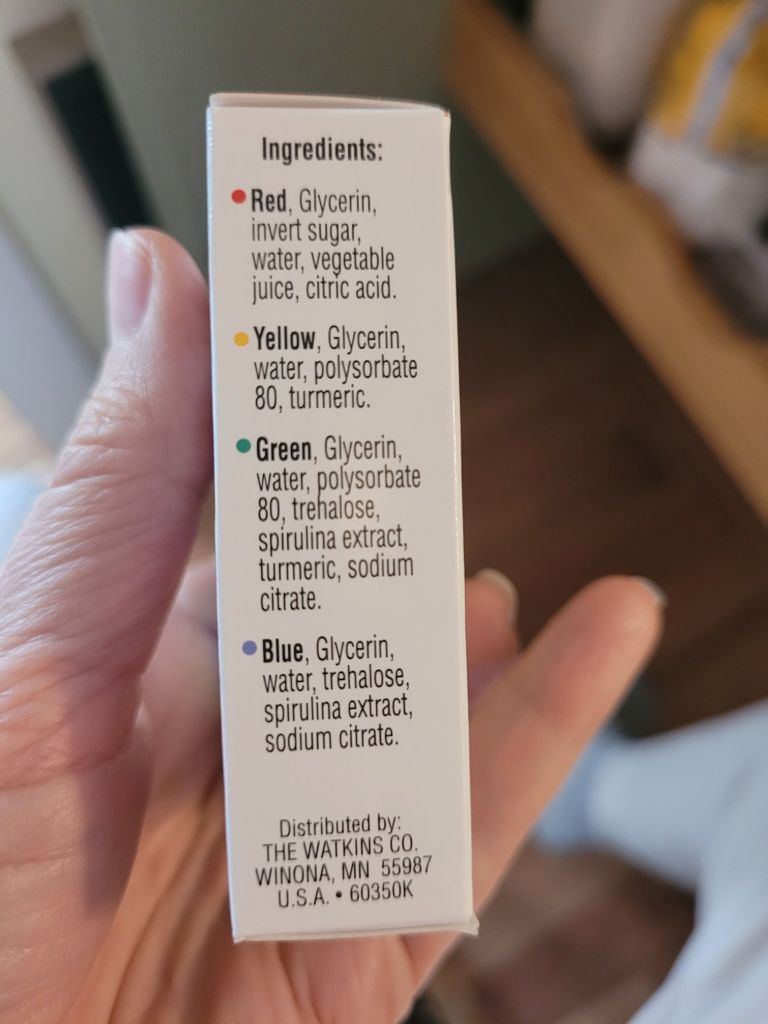
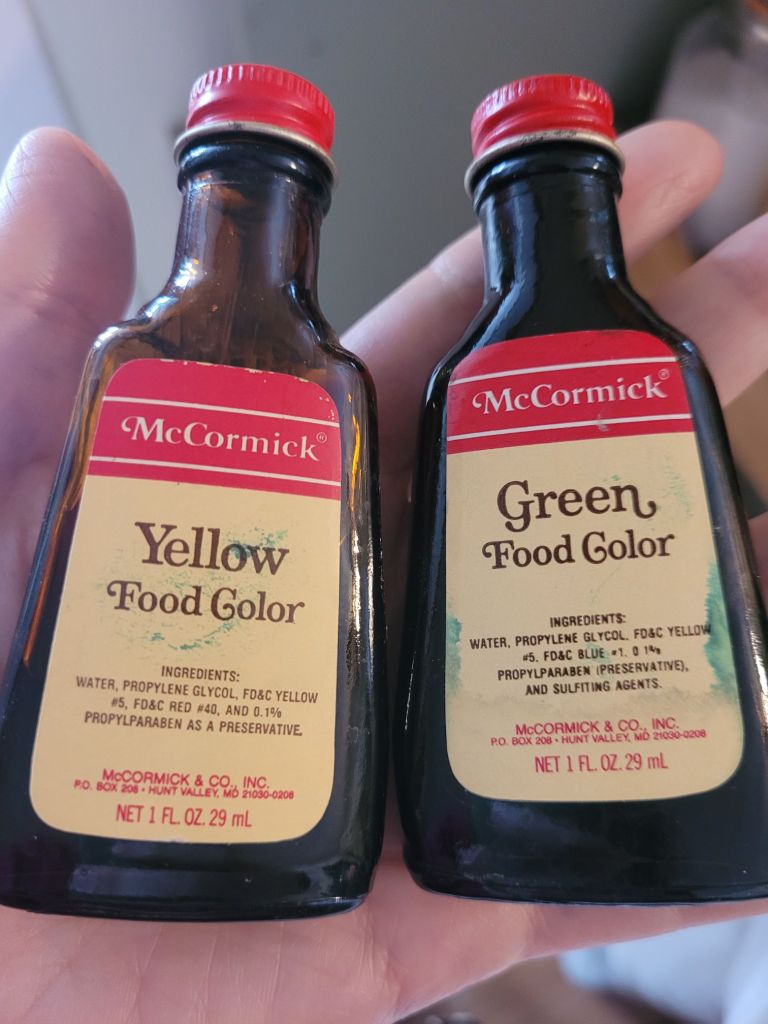
Christmas has come and gone, and yes, we did make cookies. Knowing that food dyes are linked to cancer, I went out in search of non-toxic alternatives.

I didn’t find any in the local stores. I did find them online, but after exhausting local options and then returning to my search bar, I found them out of stock.

Does that mean that other folks are looking for non-toxic alternatives? ๐Ÿค” I hope so!

So this year, we went without. Our cookies were the color of our non-GMO organic flour, and the frosting was transparent. And we loved them anyway (though it was hard to tell the lemon cookies from the almond ones).

This weekend, I found the colors I was searching for at the Abundance Co-op. My daughter gave me a share & membership for Christmas.


Fun Fact: The old dyes in my cupboard actually have a resale market! At least the brown glass bottles do. I found them online today priced between $10 and $25 per bottle. Huh!

TedX Tampa Bay

Back when I was doing my deep dive into fasting, I stumbled upon this video. It caught my eye because Tampa is my home, and USF is my alma mater. Go bulls! ๐Ÿค™

He cites Dr. Otto Warburg, who won the Nobel Prize in 1931 when he discovered that cancer cells create energy differently than healthy cells. Because of their damaged metabolic process, cancer cells require a lot of glucose, don’t use oxygen, and can’t switch over to using ketones (stored fat) for energy like healthy cells can. 

He also notes Dr. Thomas Seyfried of Boston College, who has continued Warburg’s work and is doing his best to shout from the rooftops, “Cancer is a metabolic disease!” … though the average oncologist probably hasn’t heard the news yet.

He goes on to discuss the use of hyperbaric oxygen therapy to damage cancer cells and hasten their demise while not damaging healthy cells.

He ends with a hopeful message and challenge to other researchers: “Can we manage cancer with non-toxic strategies?”


This video was recorded 10 years ago, and sadly, I have seen many people suffer and die from cancer in that time, but I haven’t seen any of them change to a keto diet or use hyperbaric oxygen.

Have you?


Just two months ago, a new paper was published by D’Augustino, along with others. The paper cites Seyfried’s research and proposes a very different approach to cancer therapy:

Targeting the Mitochondrial-Stem Cell Connection in Cancer Treatment: A Hybrid Orthomolecular Protocol

It involves vitamins C and D, zinc, hyperbaric oxygen, a keto diet, and a couple of anti-parasitic drugs.

I fear that this paper will not be taken seriously because it includes ivermectin, a drug that has the power to divide people along political lines.

Most folks don’t know that it is currently used to treat rheumatoid arthritis. And of course, we give it to our pets in the form of heartguard every month. โค๏ธ ๐Ÿฉ ๐Ÿ• ๐Ÿˆโ€โฌ› ๐Ÿˆ โค๏ธ

Black Plastic Kitchen Utensils

“…new research shows that many types of black plastics contain harmful flame retardants that shouldnโ€™t be coming into contact with food.”

We all had them… just make sure you don’t have them anymore:

https://www.foodnetwork.com/healthyeats/news/throw-away-black-takeout-container-kitchen-utensils

The article also says to just throw them away… don’t recycle. Remove them from the cycle. Thank you!

Checkup

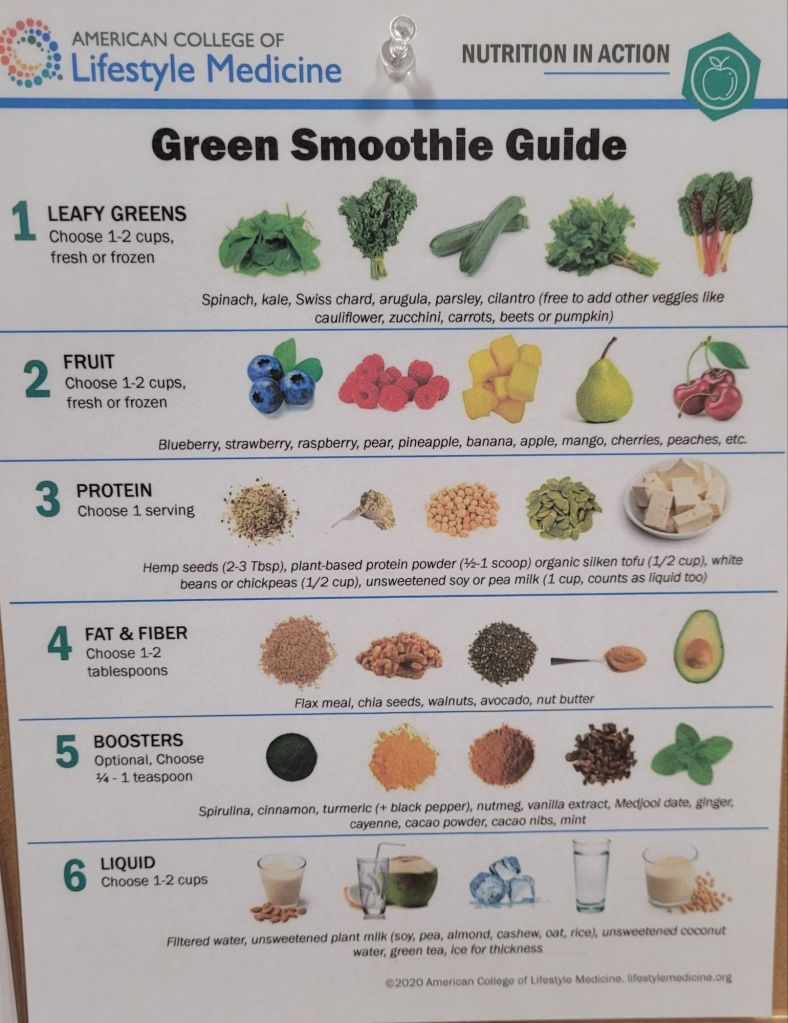
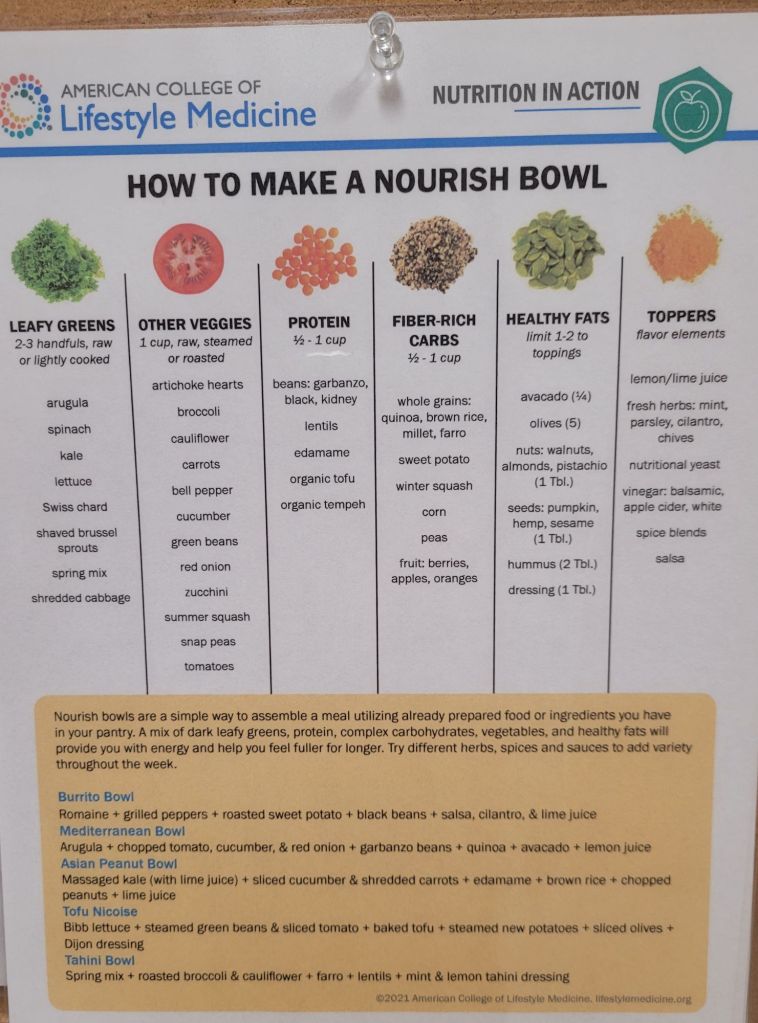
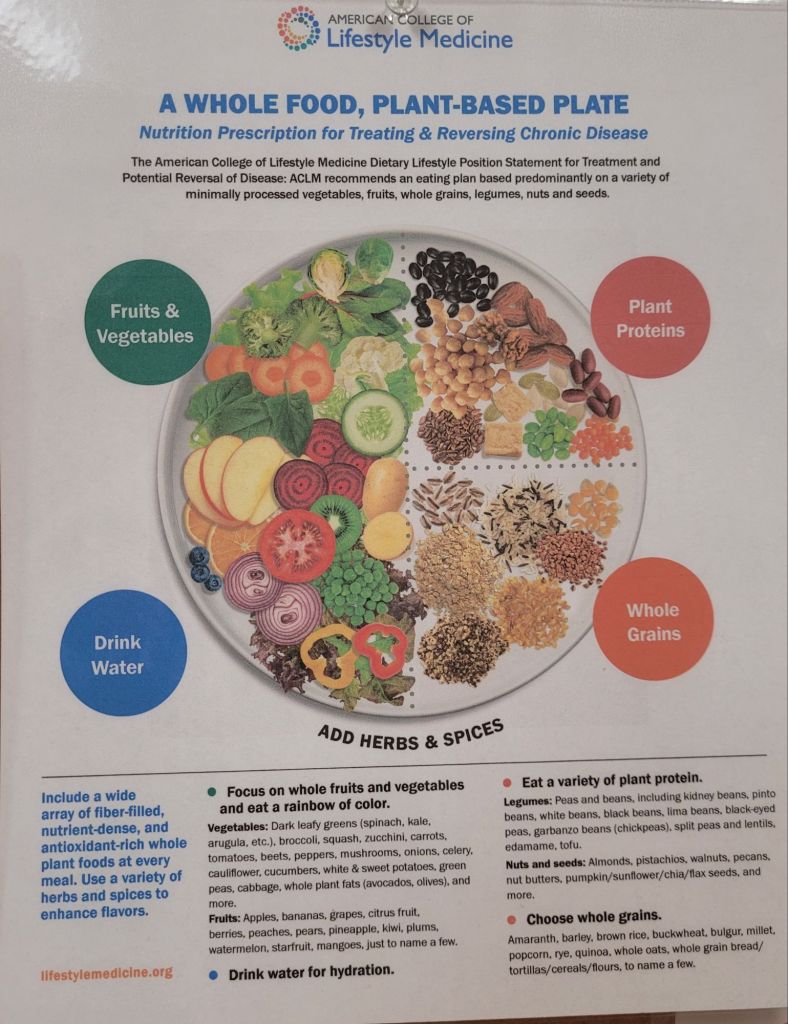
I had a checkup the other day and saw these on my doctor’s wall. How many times have you seen something like this?

There’s so much good info here. But prior to my diagnosis, I would have taken a little glance and not thought about it again. Now I’m pouring over them, matching this up with my own new patterns and habits.